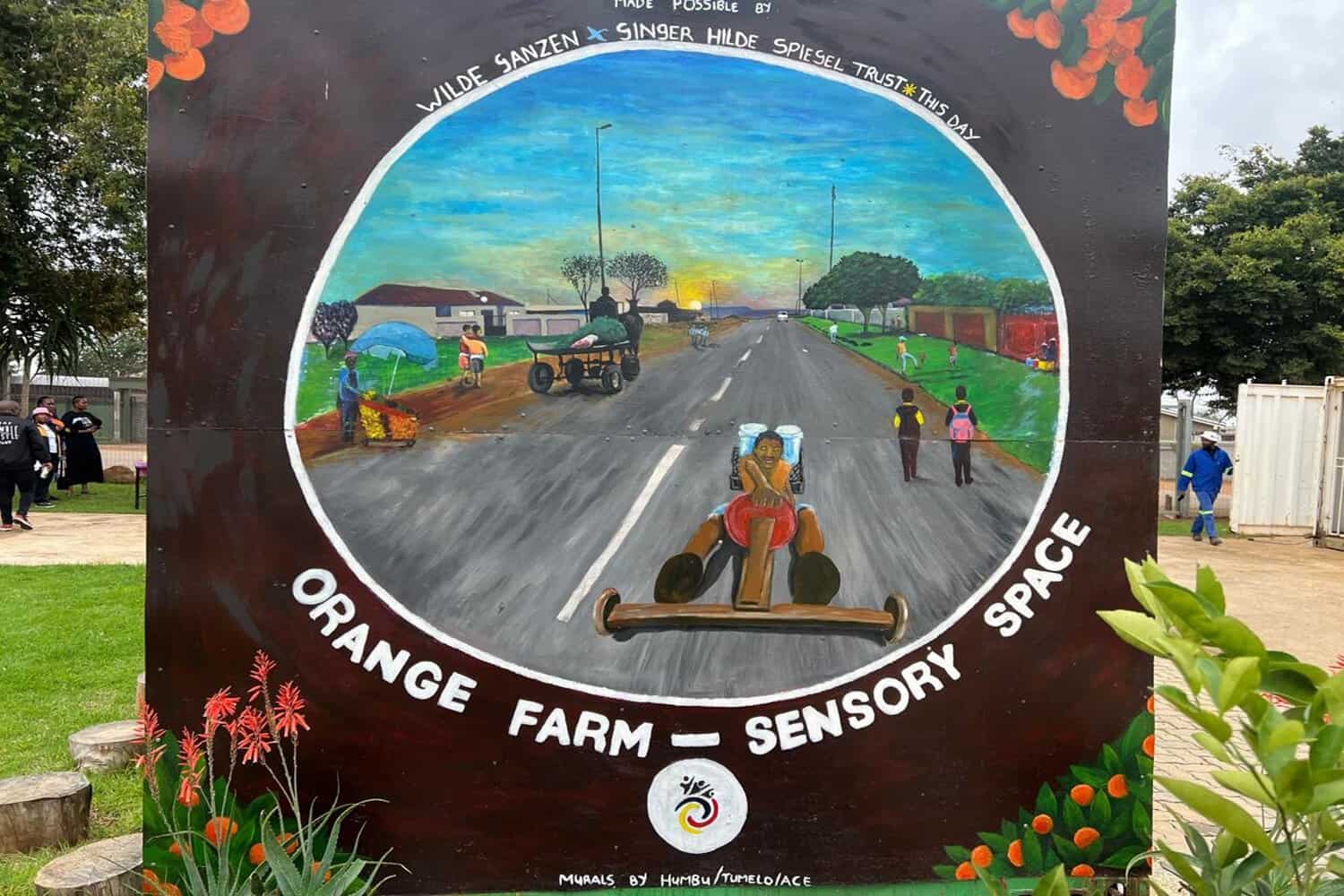
In the heart of Orange Farm, a vibrant blue shipping container stands as a testament to what happens when innovation meets deep-seated empathy.
Launched this week by the non-profit Afrika Tikkun in partnership with Sensory-Space, the facility at the Arekopaneng Centre is elevating the status of specialised care in rural communities through the introduction of a sensory room for individuals with special needs.
Traditionally, high-tech sensory rooms have been the preserve of elite private schools and expensive clinics.
But now, that same level of care is available to everyone, built largely from materials that would otherwise be thrown away.
From ‘waste’ to wellness
“Bringing a therapeutic sensory facility into impoverished communities where children don’t have access to these spaces is a first,” says Lana Roy, programme lead for 360 Disability Inclusion at Afrika Tikkun.
“It’s about ensuring impact is sustainable and lasting.”
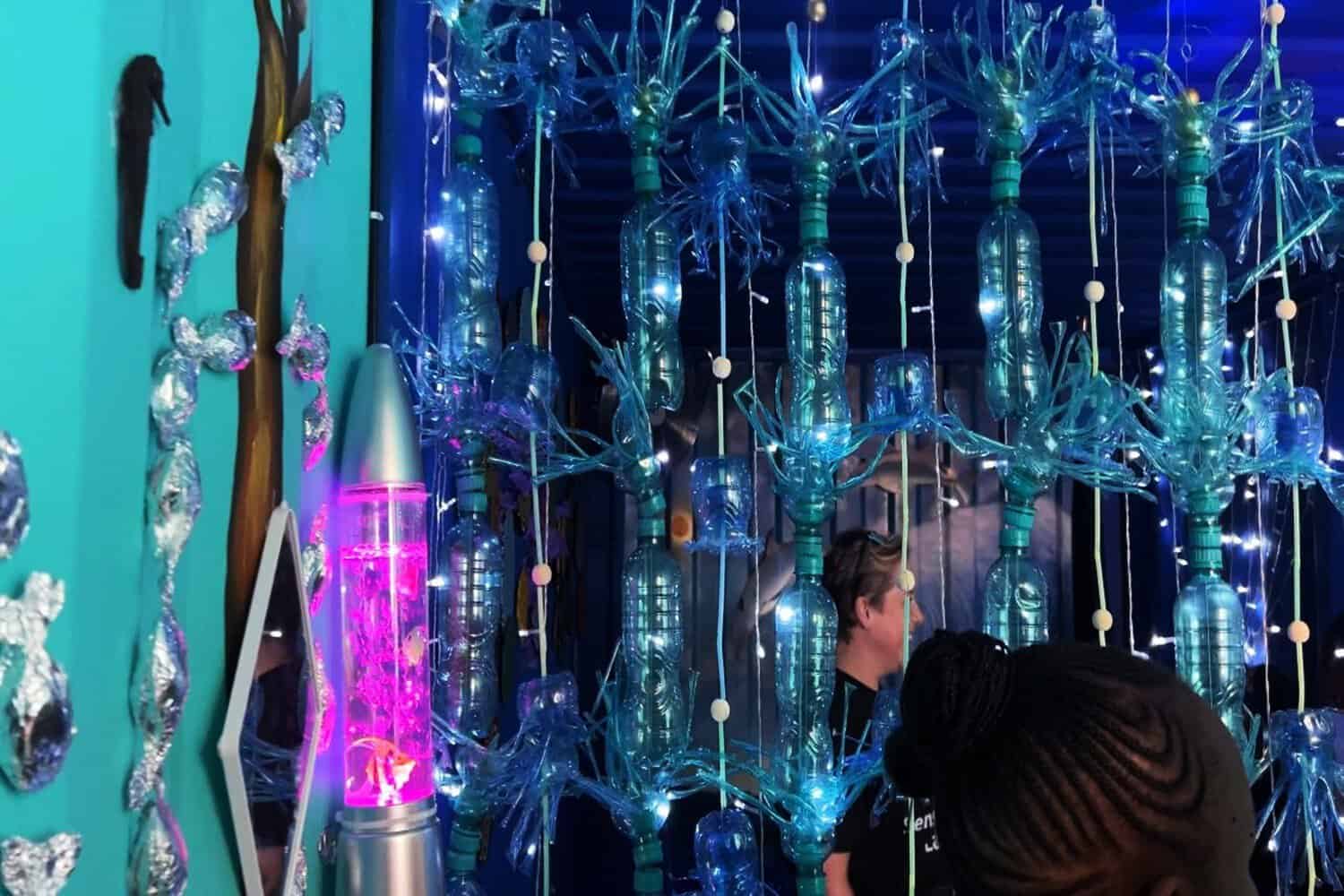
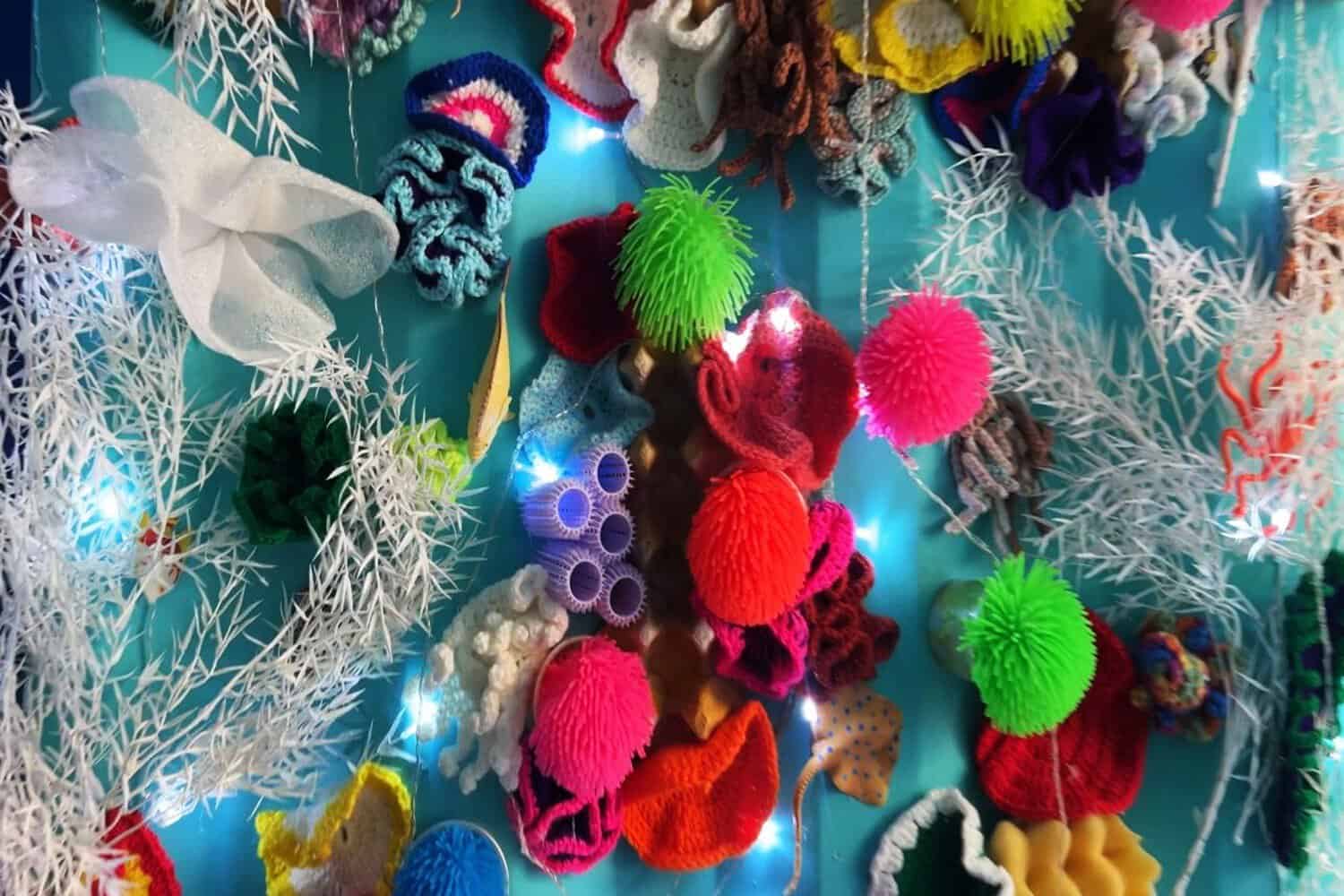
Local parents and caregivers – many of whom have spent years navigating the challenges of raising neurodiverse children with limited support – were involved in the design and build. They spent weeks in workshops transforming recycled materials into sensory tools that stimulate touch, sight and sound.
The power of sensory integration
For children with autism, attention-deficit/hyperactivity disorder (ADHD) or trauma-related anxiety, the world can be an overwhelming cacophony of stimuli. While neurotypical individuals can manage sensory input around them, neurodivergent individuals often struggle to do so.
Sensory integration helps them tune their internal “radios”.
The room helps manage emotional meltdowns, develop physical coordination needed for daily tasks, build focus required for classroom learning, and link external senses with internal calm to reduce stress.
Dr Dee Blackie, founder of Sensory-Space and a neurodiversity specialist, illustrated the impact of sensory overload with a powerful example from a visit to a sensory room.
When a young boy began aggressively pulling at toys, his mother – misinterpreting the behaviour as defiance – reprimanded him with a spank. In an immediate sensory-driven reflex, the boy bit his mother, drawing blood.
While onlookers might typically label the child as “naughty” or a “troublemaker,” Blackie reframed the incident: the boy simply lacked the tools to regulate overwhelming sensory input, leading to a physical outburst.
She argues that sensory rooms provide essential environment to bypass these “fights” and bring a children back to a state of calm.
More than just therapy
Blackie emphasised that the room is designed to spark joy. “The space is designed to be an adventure,” she explains. “It’s about curiosity, learning, imagination and testing your sensory abilities. Play is the best way to learn.”
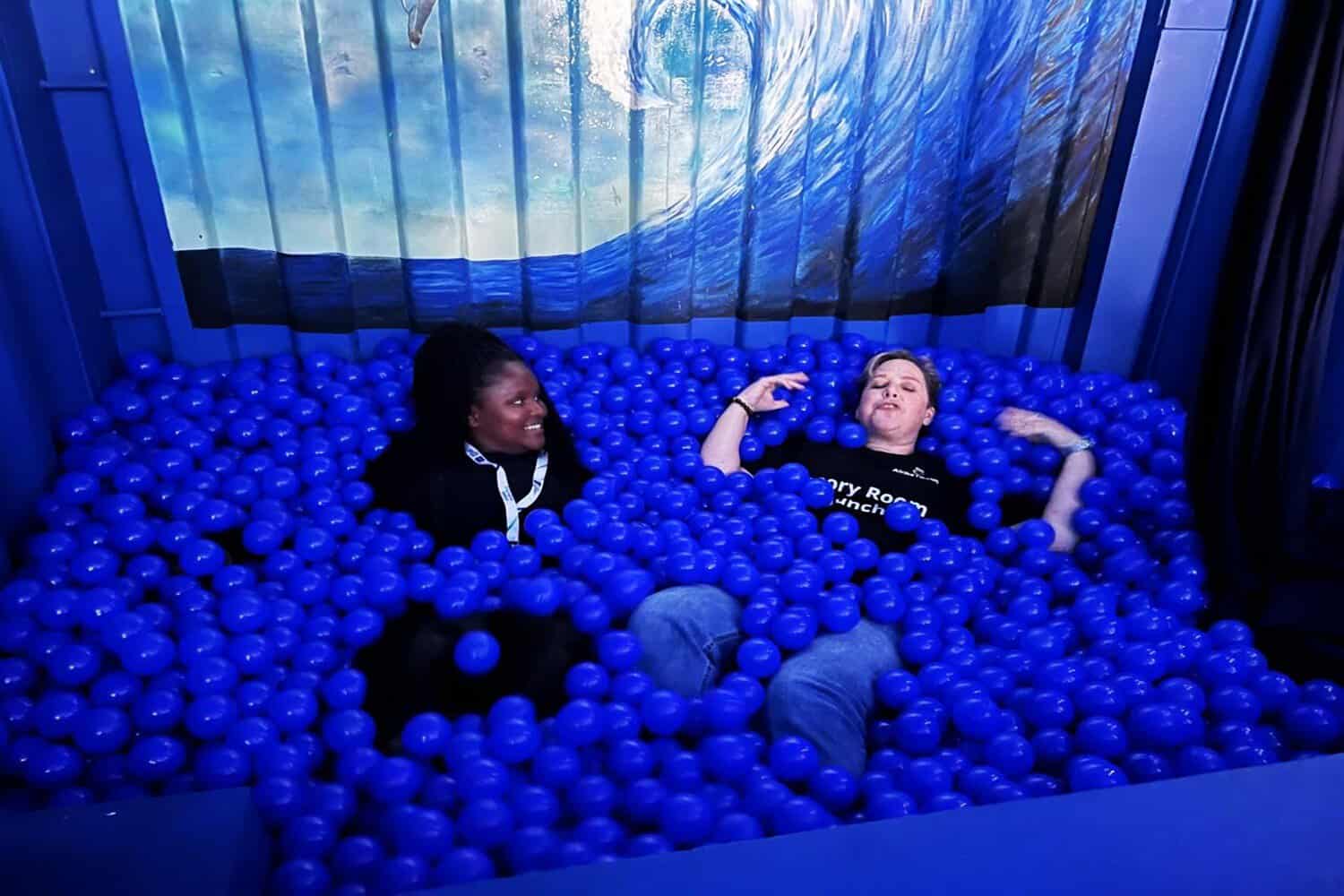
From calming music to ball pits, the impact is already rippling through the community. Pamela Duba, a local parent, admits the container has also become a refuge for adults. “Sometimes I use it myself when I feel stressed,” she says. “It helps me to relax and reset.”

Occupational therapist Tegan White recalled an emotional breakthrough with one of her patients, a non-verbal seven-year-old. When she introduced the boy to the sensory room, he spoke for the first time in his life.
Upon spotting a specific toy in the room, the boy exclaimed, “Astronaut!” White, still moved by the memory, described it as a pivotal moment in his development.
Elizabeth Thobea, a staff member at the Arekopaneng facility, witnessed the centre’s impact firsthand as a parent. Her son attended the centre from the age of two through Grade 2, during which he struggled with hyperactivity. Thobea recalls how he would finish his work early and immediately find ways to disrupt the class.
She credited the Early Childhood Development (ECD) centre for providing the discipline and structure her child needed, especially during her own moments of helplessness.
“I honestly encourage more mothers to bring their kids here,” Thobea said. “If you keep your child at home, you won’t know what they are missing for their development.”