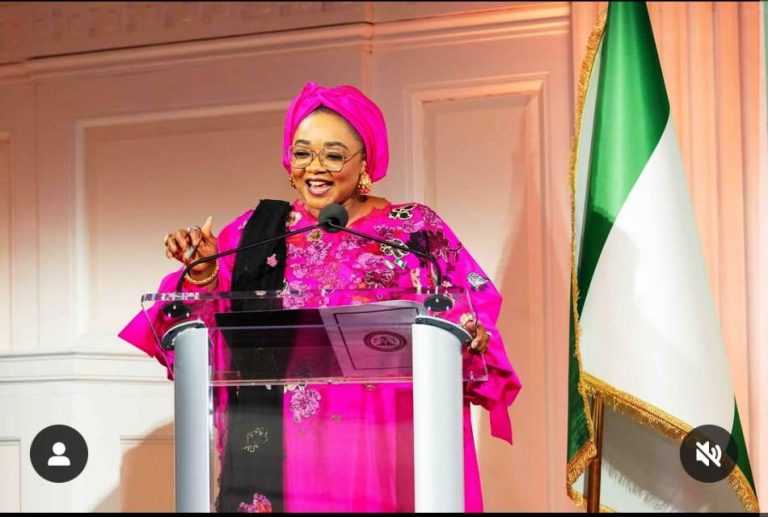
The National Coordinator and Chief Executive Officer of the Nigeria AfCFTA Coordination Office, Patience Okala, made the call on Thursday at the Streamsowers & Köhn 20th Anniversary Business Forum, where she emphasised the need for greater value addition and beneficiation across African economies.
In a statement issued by the Nigeria AfCFTA Coordination Office on Friday, Okala explained that the AfCFTA is not simply a trade agreement focused on reducing tariffs but a broader platform designed to promote industrialisation, create jobs and strengthen economic cooperation across the continent.
“AfCFTA is not only about tariffs; it is also about value addition. Africa has to stop exporting raw materials. We need to add value and ensure that beneficiation is done on the continent,” she said.
She stressed that the success of the trade agreement would depend on how effectively African countries implement its objectives and enable businesses to take advantage of the single market, rather than relying only on policy commitments.
“We have moved beyond negotiations. The success of AfCFTA will be measured by the extent to which businesses can access new markets, trade seamlessly across borders, and benefit from the opportunities created by the agreement,” Okala said.
The AfCFTA coordinator noted that Nigeria has continued to strengthen its implementation efforts under the supervision of the Minister of Industry, Trade and Investment, Dr Jumoke Oduwole.
She highlighted the development of simplified AfCFTA guides in six languages as part of efforts to help businesses better understand the agreement and position themselves to benefit from expanded trade opportunities.
Okala called for increased cooperation among governments, regulators and private sector players to address trade barriers, improve investment flows and accelerate the creation of a more connected African market.
She added that the focus should now be on ensuring that the benefits of AfCFTA translate into real opportunities for businesses, especially micro, small and medium enterprises (MSMEs), women-led businesses and young entrepreneurs across Africa.
“As we move from policy to implementation, our collective responsibility is to ensure that the opportunities created by AfCFTA become practical realities for businesses, particularly MSMEs, women-owned enterprises, and young entrepreneurs across the continent,” she said.