With less than a year to Nigeria’s 2027 general elections, the National Human Rights Commission (NHRC) has issued a strong call to the nation’s youth to take ownership of the country’s democratic future by participating actively, peacefully and responsibly in the electoral process, warning that credible elections remain the cornerstone of national stability, accountable leadership and sustainable development.
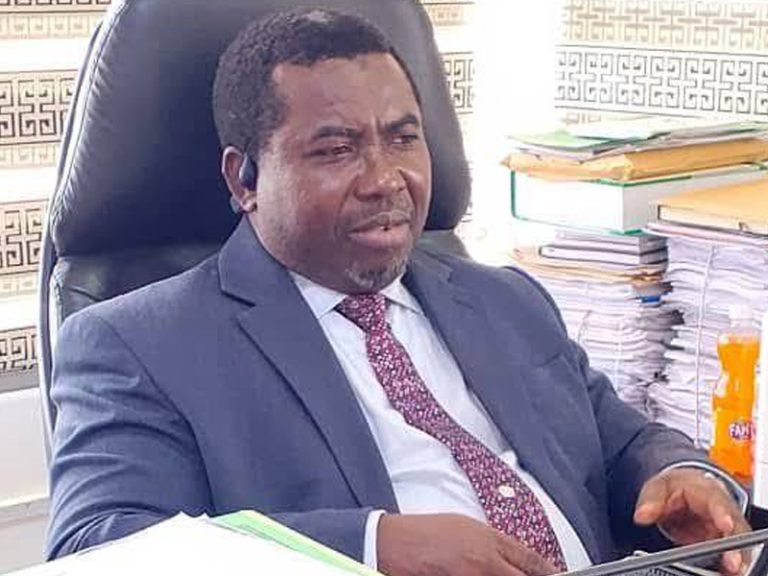
The charge came from the Executive Secretary of the NHRC, Chief Tony Ojukwu, who delivered the keynote address at the 6th National Leadership and Youth Stakeholders Conference in Abuja, themed: “2027 Elections: From Voices to Votes – Process, Participation, Security and National Stability Beyond 2027.”
Addressing a gathering of youth leaders, policymakers and civil society stakeholders, Ojukwu described young Nigerians as the country’s most powerful force for democratic transformation, urging them to move beyond social media activism and public discourse to meaningful civic engagement through the ballot box.
He stressed that voting and contesting for elective office are fundamental rights guaranteed under Nigeria’s Constitution and insisted that the success of the 2027 elections would depend on the willingness of citizens, particularly young people, to reject violence, hate speech, voter intimidation, misinformation, discrimination and the growing menace of vote-buying.
According to him, democracy can only flourish where citizens are free to participate without fear and where elections reflect the genuine will of the people.
“Peaceful and credible elections are indispensable to national stability, good governance and sustainable development,” Ojukwu said, noting that protecting electoral integrity is a collective responsibility involving citizens, political parties, security agencies, electoral officials and civil society organisations.
He reaffirmed the Commission’s determination to ensure that the 2027 elections are firmly anchored on respect for human rights through intensified election monitoring, investigation of electoral rights violations, voter education and strategic collaboration with the Independent National Electoral Commission (INEC), security agencies and other key stakeholders before, during and after the polls.
The NHRC boss said the Commission was building on the successes of its Mobilising Voters for Election (MOVE) Project, implemented during the 2023 general elections, which promoted voter education, peaceful participation and increased inclusion of youths, women and other traditionally underrepresented groups.
He explained that the lessons from the project are already shaping the Commission’s advocacy and preparations for the next electoral cycle, with greater emphasis on protecting voters’ rights and expanding civic participation.
Beyond elections, Ojukwu argued that strengthening democracy also requires addressing the socio-economic challenges confronting millions of young Nigerians.
He called for greater investment in entrepreneurship, innovation, skills acquisition and youth empowerment programmes to tackle poverty and unemployment, warning that economic hardship leaves many young people vulnerable to political exploitation and electoral violence.
He further advocated leadership founded on integrity, transparency, accountability and respect for the rule of law, insisting that democratic governance can only thrive where human rights are protected and public institutions enjoy the confidence of the people.
Reaffirming the Commission’s commitment to advancing rights-based governance, Ojukwu said the NHRC would continue to deepen partnerships with youth organisations, government institutions, civil society groups and development partners to strengthen civic education, promote peaceful coexistence and safeguard the rights of every Nigerian.
He concluded with a rallying call to the country’s youth to become active custodians of Nigeria’s democracy.
“The future of Nigeria depends on informed, active and responsible citizens. Your voices are important, but your votes give those voices democratic legitimacy. Together, let us build a Nigeria where elections are peaceful, leaders are accountable, and human rights remain the foundation of democratic governance,” he said.
With political activities expected to intensify in the coming months, the Commission urged Nigerians to embrace peaceful participation and uphold democratic values, saying the choices made in 2027 will have far-reaching implications for national unity, security and the country’s democratic trajectory.
Michael Olugbode