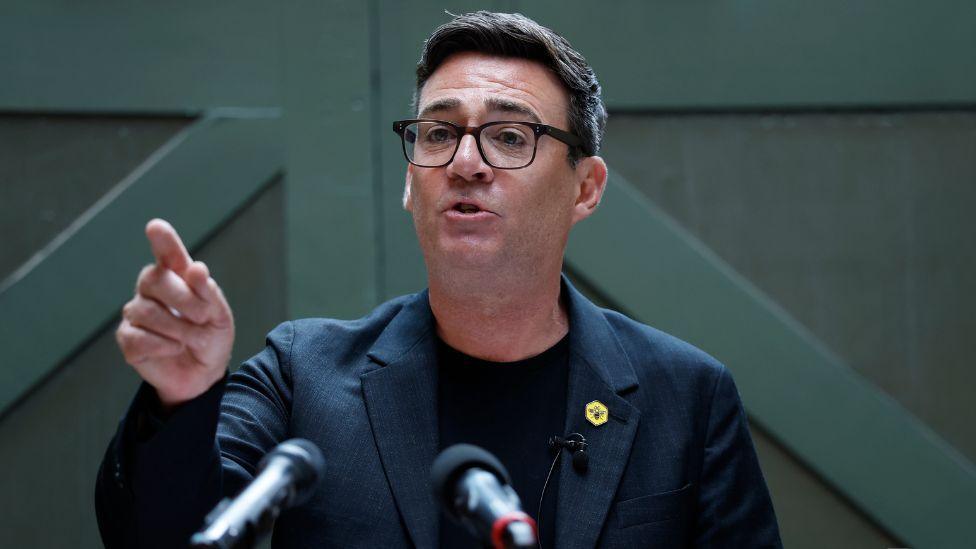
Britain’s Prime Minister Andy Burnham has announced a 20% cut in business rates for pubs, clubs and live music venues from April, as his new government moves to lower operating costs, support the hospitality sector and boost economic confidence.
The announcement marks Burnham’s third major economic measure in three days since taking office on Monday. His administration has already unveiled plans to remove a tax on domestic electricity bills and cap bus fares.
“This government will back the businesses that people want to see in their communities,” Burnham, the former Mayor of Greater Manchester, said.
Finance Minister John Healey said the government was determined to reduce the cost of doing business and reverse growing pessimism about Britain’s economic outlook.
Burnham said the tax cut would save the average pub about £1,100 ($1,472) next year and benefit nearly 32,000 hospitality venues across the country.
The measure is expected to cost the government about £100 million annually and is likely to be welcomed by independent operators and major pub groups. However, it falls short of the hospitality industry’s call for a 50% reduction in value-added tax (VAT) for the sector.
The government said the rate cut would be funded through a review of tax relief for businesses such as vape shops, which it said do not make a positive contribution to local communities, as well as a crackdown on businesses selling through online marketplaces.
Burnham had previously considered increasing business rates on warehouses used by large online retailers, including Amazon, to help support traditional high-street businesses.
While the financial impact of the latest measures is relatively modest, Burnham is seeking to demonstrate that his government can move quickly to support businesses and restore confidence after taking office.
The prime minister also faces the challenge of rebuilding relations with the business community, which has warned that higher employment costs, rising wages and elevated energy prices have constrained investment and growth.
The recent Middle East conflict has added to concerns over higher energy costs and the prospect of further interest rate increases, weighing on business confidence.
A hospitality industry survey released in July found that 23% of respondents were operating at a loss, while 5% said their businesses were no longer financially viable.
Healey said he understood employers’ concerns and pledged to strengthen the government’s partnership with businesses while maintaining investor confidence and adhering to fiscal rules requiring day-to-day spending to be funded through revenues rather than borrowing.
Despite the government’s latest measures, Britain’s borrowing costs rose further on Thursday, with the yield on 10-year government bonds reaching its highest level since May 20.
Ojo Triumph