Nigerian Government Unveils Fresh Anti-Insecurity Strategy
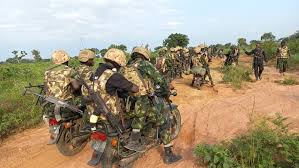
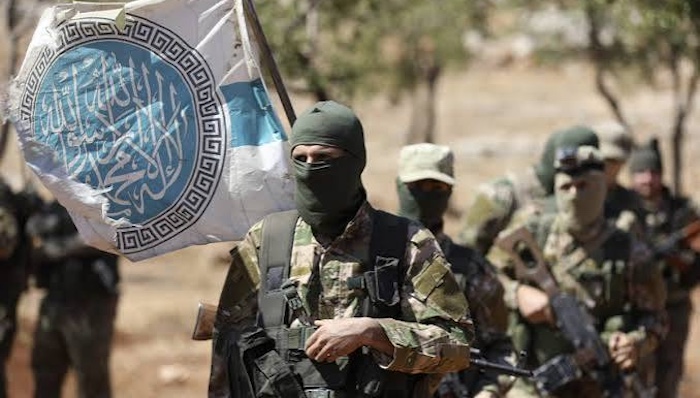
The Nigerian Government says it is intensifying efforts to tackle insurgency, banditry and kidnapping through increased recruitment, technology-driven surveillance, stronger intelligence gathering and enhanced regional cooperation. Presidential spokesman Daniel Bwala, speaking on The Link Up Podcast, said the Tinubu administration is implementing a multi-pronged strategy to address the country’s security challenges. He explained that the …
The Nigerian Government says it is intensifying efforts to tackle insurgency, banditry and kidnapping through increased recruitment, technology-driven surveillance, stronger intelligence gathering and enhanced regional cooperation.
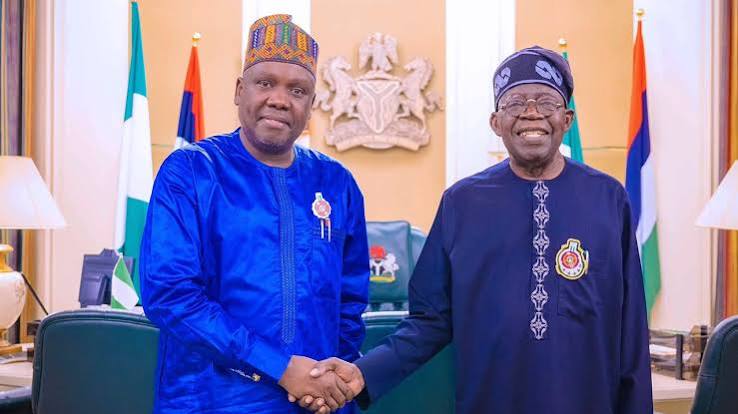
Presidential spokesman Daniel Bwala, speaking on The Link Up Podcast, said the Tinubu administration is implementing a multi-pronged strategy to address the country’s security challenges. He explained that the government is recruiting and retraining more security personnel, noting that the existing workforce is inadequate for Nigeria’s population and land mass.
“We are investing in training and retraining. First of all, we’re investing in recruiting more security personnel because the one we have, they are not sufficient to match with the population and the land mass”, he said.
Bwala added that some of the new recruits will serve as forest guards to prevent terrorists from using forests as hideouts and illegally exploiting the country’s mineral resources. He also said the government is expanding the police, military, Department of State Services and marine security workforce, while working with paramilitary agencies and licensed private security firms to strengthen security nationwide.
He further revealed that President Bola Tinubu has withdrawn police officers attached to VIPs, warning that officers who fail to comply would soon be identified.
On surveillance, Bwala said the government is investing in drones and interception systems to improve intelligence gathering and round-the-clock monitoring. He also disclosed that Nigeria is strengthening counterterrorism cooperation with neighbouring Sahel countries and has expanded military collaboration with the United States, with special forces recently completing operations while other personnel remain in the country to train Nigerian troops.
While declining to disclose operational details for security reasons, Bwala said intelligence-led operations often require troops to wait until criminal targets leave populated areas before carrying out strikes in order to avoid civilian casualties.
Describing kidnapping as a “crisis economy”, he said some abductions are carried out by terrorists, while others involve criminal networks made up of ordinary Nigerians, including people known to their victims.
Bwala added that the government is expanding community policing by increasing the presence of police and DSS personnel in urban areas and supporting neighbourhood security initiatives that encourage residents to report suspicious activities.
He also disclosed that security agencies are investigating compromised officers within the system, insisting that the ongoing reforms are aimed at strengthening national security and restoring public confidence in the country’s security agencies.