Draft policy targets 60 days of emergency petroleum stocks as Pretoria moves to strengthen energy security…..
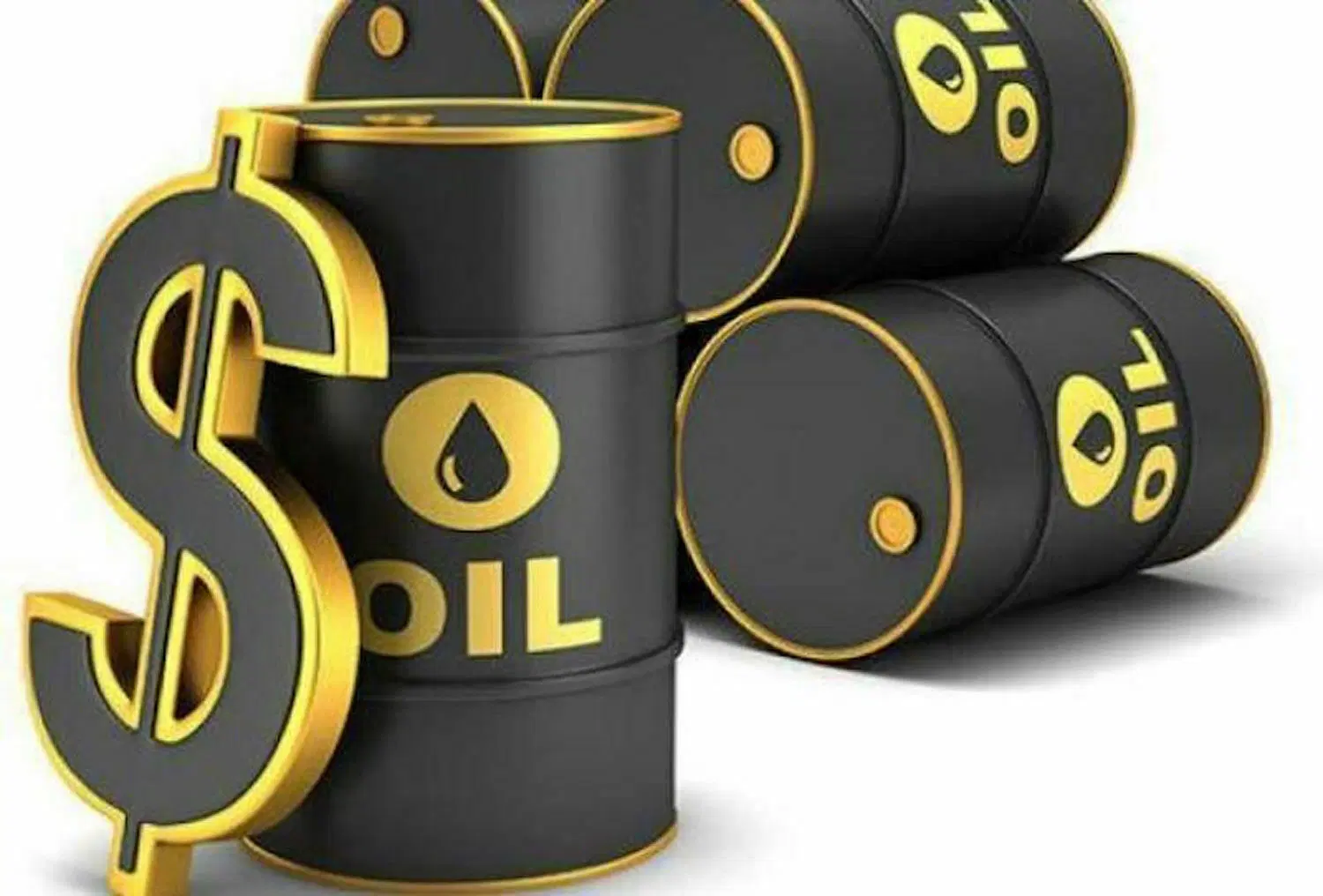
South Africa is planning to expand its strategic petroleum reserves to about 36 million barrels, marking the country’s biggest move to secure emergency oil supplies since the end of the apartheid era.
The proposal was contained in a draft Strategic Petroleum Stocks Policy released by the Department of Mineral Resources and Energy (DMRE) for public consultation.
The move comes amid growing concerns over global energy disruptions following heightened tensions between Iran and the United States, which contributed to fears of supply shortages and pushed international oil prices higher.
Traffic through the Strait of Hormuz, one of the world’s most important oil transit routes, was significantly affected during the crisis, raising concerns over possible prolonged disruptions to global crude supplies.
According to the draft policy, the proposed reserves are designed to reduce South Africa’s exposure to international market volatility, supply chain disruptions and geopolitical uncertainties.
“As a net importer of crude oil and increasingly refined products, the country remains vulnerable to international supply chain disruptions, price volatility, and geopolitical shifts. This Strategic Petroleum Stocks Policy establishes a robust framework for the mandatory holding of emergency reserves to insulate the South African economy,” the policy stated.
Under the plan, South Africa aims to maintain emergency petroleum stocks equivalent to 60 days of national demand, with roughly two-thirds stored as crude oil and the remaining portion held as refined petroleum products.
The government said it is working with the National Treasury to develop funding arrangements for the purchase, maintenance and management of the strategic reserves.
“The National Treasury and the state-owned South African National Petroleum Co. will develop financing mechanisms and instruments for the financing and guaranteeing strategic petroleum stocks,” the DMRE said.
South Africa consumes about 27 billion litres of petroleum products annually, with the transport sector depending on liquid fuels for nearly 90 per cent of its energy requirements.
The government warned that disruptions to fuel supplies could have serious economic consequences, affecting businesses, transportation networks and social activities.
Beyond state-controlled emergency reserves, the proposed policy will also require licensed fuel manufacturers and wholesalers to maintain additional stocks of refined products.
“The policy introduces a mandatory obligation for licensed manufacturers and wholesalers to maintain an additional 14 days of refined product stocks, such as diesel, petrol and jet fuel,” the draft policy stated.
The government said the approach would combine public strategic reserves with private sector stockholding obligations to improve short-term supply stability and provide long-term protection against global energy shocks.
South Africa remains a net importer of petroleum products, unlike Nigeria, which has reduced its dependence on imported petrol following increased production from the Dangote Refinery.