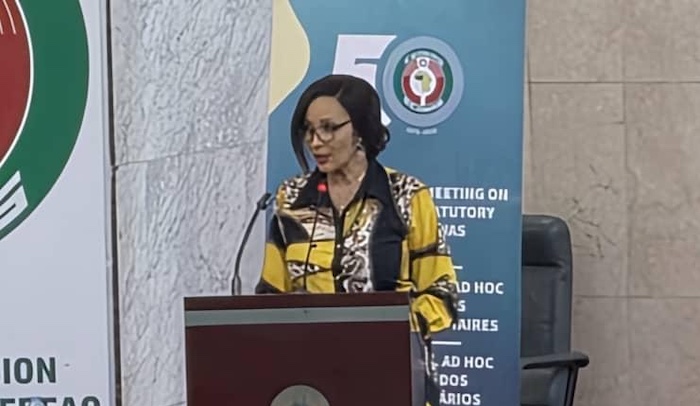
The Honourable Minister of Finance and Coordinating Minister of the Economy, Taiwo Oyedele, says Nigeria has emerged from the most difficult phase of its economic reforms and is now focused on driving inclusive growth that delivers measurable benefits to citizens and businesses.
Speaking at the Nigeria Employers’ Summit 2026, organised by the Nigeria Employers’ Consultative Association in Abuja, Oyedele said the economic reforms introduced by President Bola Ahmed Tinubu’s administration helped avert an impending economic crisis and established a foundation for long-term macroeconomic stability.
During a panel session titled “Reforms in Focus: The Milestones, the Challenges and the Prospects,” the minister acknowledged that the reforms brought short-term economic challenges but maintained that they were necessary to restore fiscal sustainability.
According to Oyedele, before the reforms, much of Nigeria’s oil revenue was spent on fuel subsidies, while non-oil revenue was largely consumed by debt servicing, leaving limited resources for infrastructure development and other critical sectors.
He said the government has since moved the economy from a period of volatility to one of increasing stability, creating a more favourable environment for investment, productivity and sustainable economic growth.
“The reforms were not optional; they were necessary to prevent economic collapse. The task before us now is to consolidate the gains, deepen stability and accelerate productive, inclusive growth that improves the lives of Nigerians,” Oyedele said.
The minister explained that the next phase of the reform programme will prioritise faster economic expansion, lower inflation, increased investment and broader opportunities across sectors, while safeguarding low-income households and small businesses.
He also stressed the importance of improving public understanding of government policies, arguing that informed citizens are better equipped to hold leaders accountable and contribute to national development.
On government borrowing, Oyedele said public criticism is often influenced by perceptions of personal debt, adding that sovereign borrowing should be viewed differently when used as part of a broader fiscal strategy to support economic growth.
Highlighting the administration’s tax reforms, he said the measures were intentionally designed to protect small businesses and lower-income earners while ensuring that individuals and organisations with greater financial capacity contribute more toward public services and national development.
The minister urged Nigerians to adopt a more balanced assessment of the country’s economic progress, noting that improvements have been recorded in fiscal management, debt sustainability, investor confidence and overall macroeconomic stability despite ongoing challenges.
Other panelists, including Kelechi Ohiri, Muda Yusuf and Wilson Erumebor, agreed that the reforms were necessary while calling for stronger measures to ensure their benefits are felt more quickly by businesses and citizens.
Discussions at the summit focused on strengthening healthcare financing, improving infrastructure, supporting small and medium-sized enterprises, advancing power sector reforms, enhancing tax administration and translating macroeconomic stability into improved living standards and greater business competitiveness.