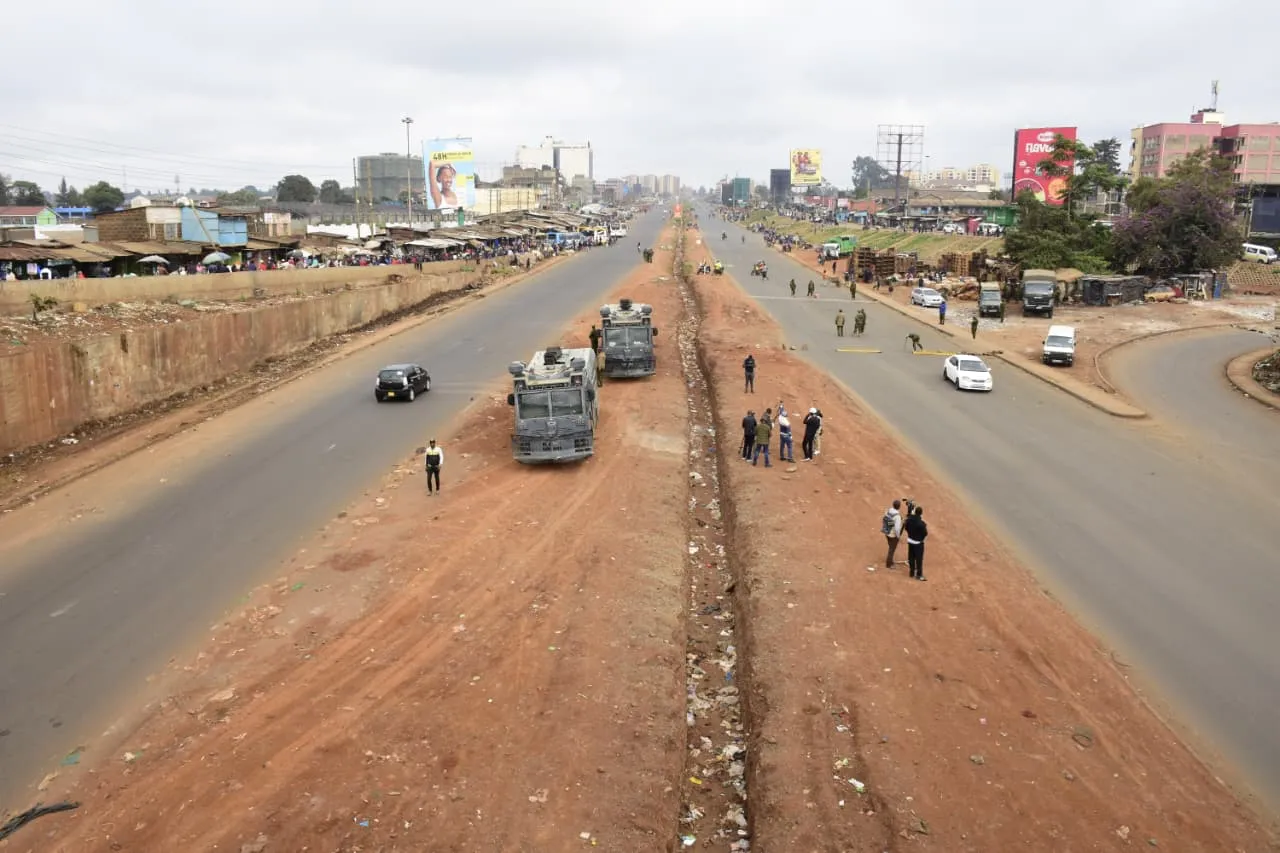
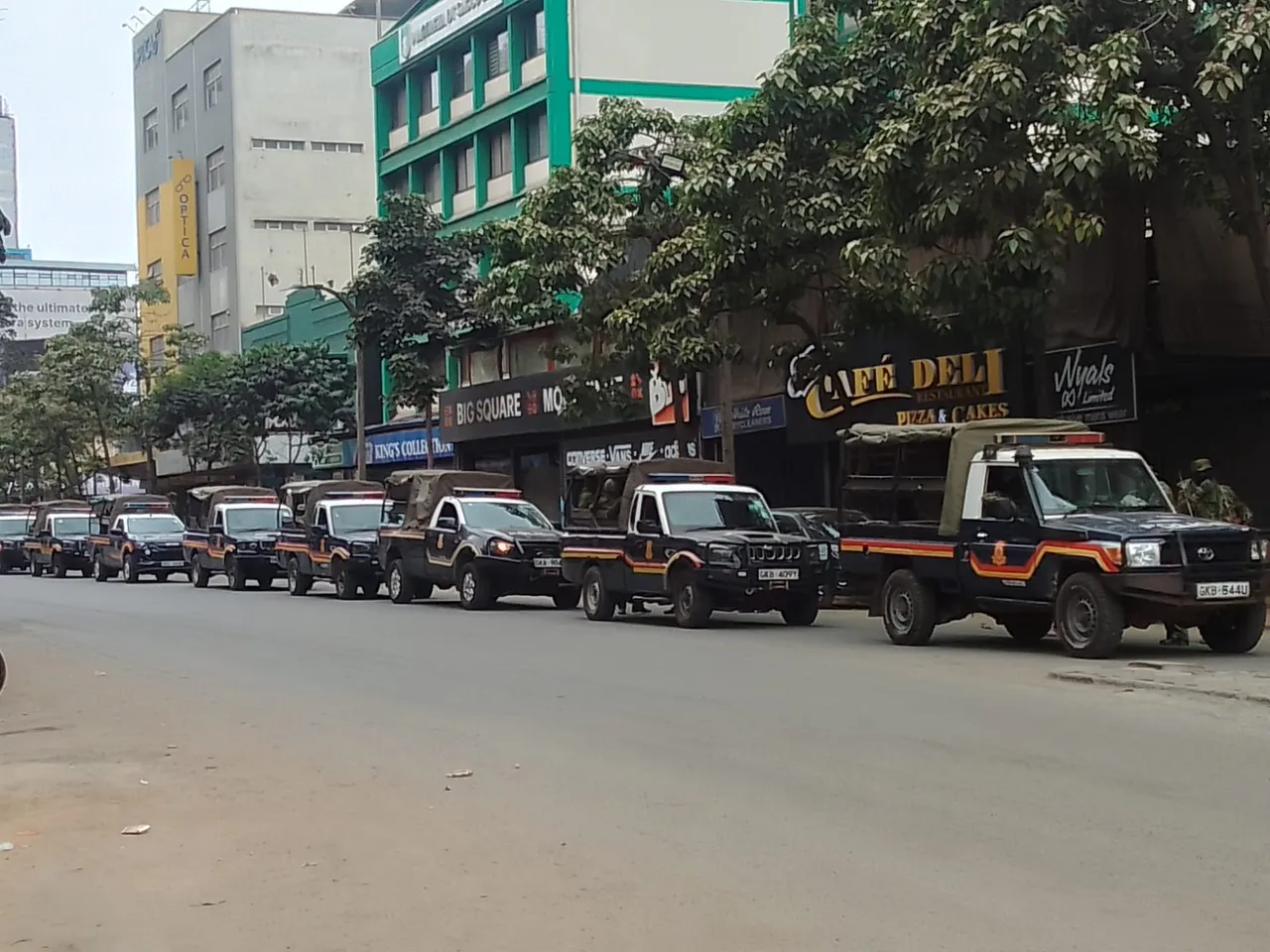
Nairobi was cut off from the rest of the country on Thursday morning as police mounted roadblocks on all major routes leading into the city, triggering massive traffic jams and disrupting movement ahead of demonstrations marking the second anniversary of the June 25, 2024 anti-government protests.
Thousands of commuters were stranded for hours after security officers blocked public service vehicles and screened private motorists at multiple entry points into the capital.
Along Thika Road, police erected roadblocks at Ruiru, Githurai, Allsops and Kimbo, effectively preventing matatus and buses from accessing the Central Business District (CBD).
At Kimbo, scores of passengers were left stranded as both public and private vehicles headed for Nairobi were turned back.
Similar scenes played out on Mombasa Road, where motorists travelling from Machakos and the Coast region faced severe delays due to multiple police checkpoints.
A roadblock at Mlolongo, mounted as early as 4am, caused a traffic snarl-up stretching several kilometres. The checkpoint was the third for motorists travelling from Machakos towards Nairobi, after similar barricades at Kyumbi and Kenya Israel.
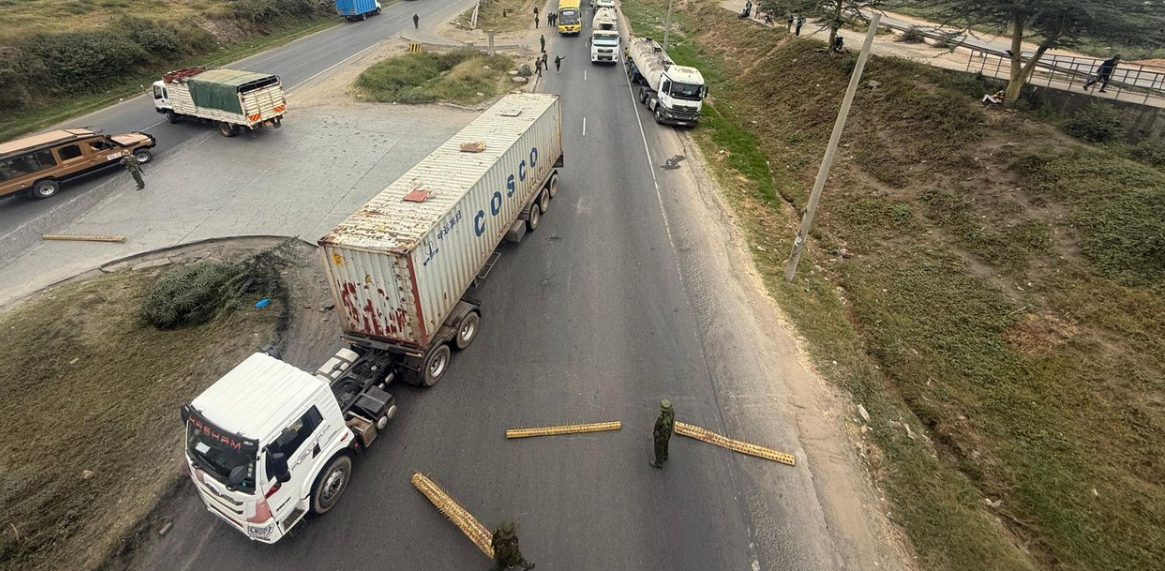
The gridlock stretched as far as Lukenya, leaving motorists stuck for hours on one of the country’s busiest highways.
Police also established roadblocks at Kangemi along Waiyaki Way, where buses and matatus attempting to enter the city were turned back. Only a limited number of vehicles were allowed through after screening.
Vehicles leaving Nairobi were not subjected to similar restrictions.
Access to the city centre was further curtailed after police blocked roads at the Bunyala Road, City Stadium and Kenyatta National Hospital roundabouts.
At the City Stadium roundabout, matatus and most vehicles from Nairobi’s eastern estates were barred from proceeding towards the CBD, forcing hundreds of commuters to walk long distances to their workplaces.
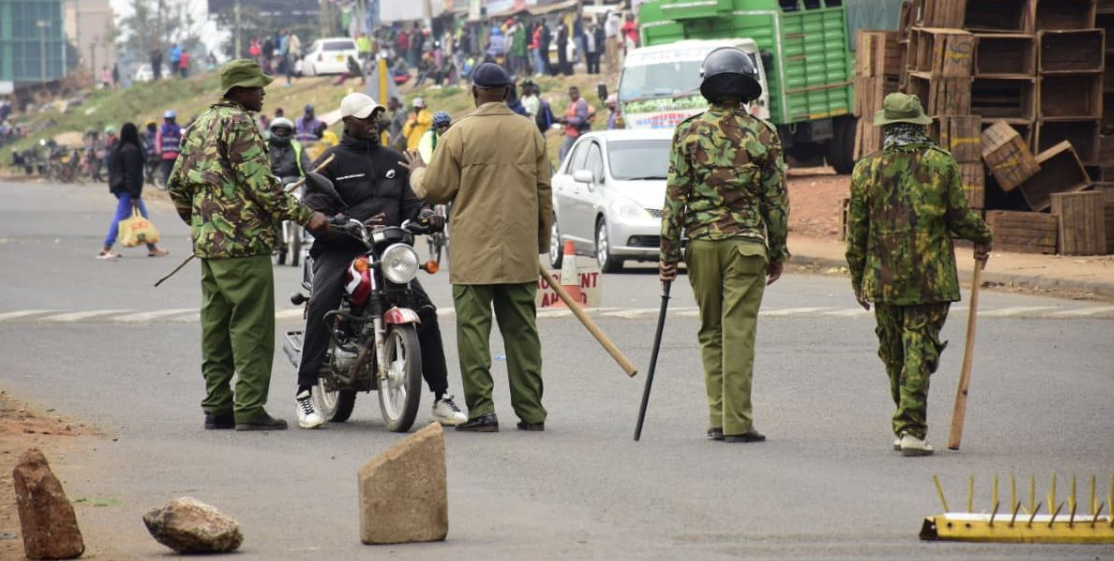
Public transport vehicles were also stopped at the Kenyatta National Hospital roundabout, effectively cutting off access to the city centre.
The restrictions brought business activities to a near standstill as workers struggled to reach their workplaces and traders delayed opening their shops.
In downtown Nairobi, business owners deployed vigilante groups armed with clubs and wearing reflective jackets to guard premises against possible looting and vandalism.
The heightened security measures came amid fears of unrest during demonstrations organised by Gen Z activists to commemorate those killed during last year’s anti-government protests.
Security officers were heavily deployed around Parliament, State House, government offices and other strategic installations.
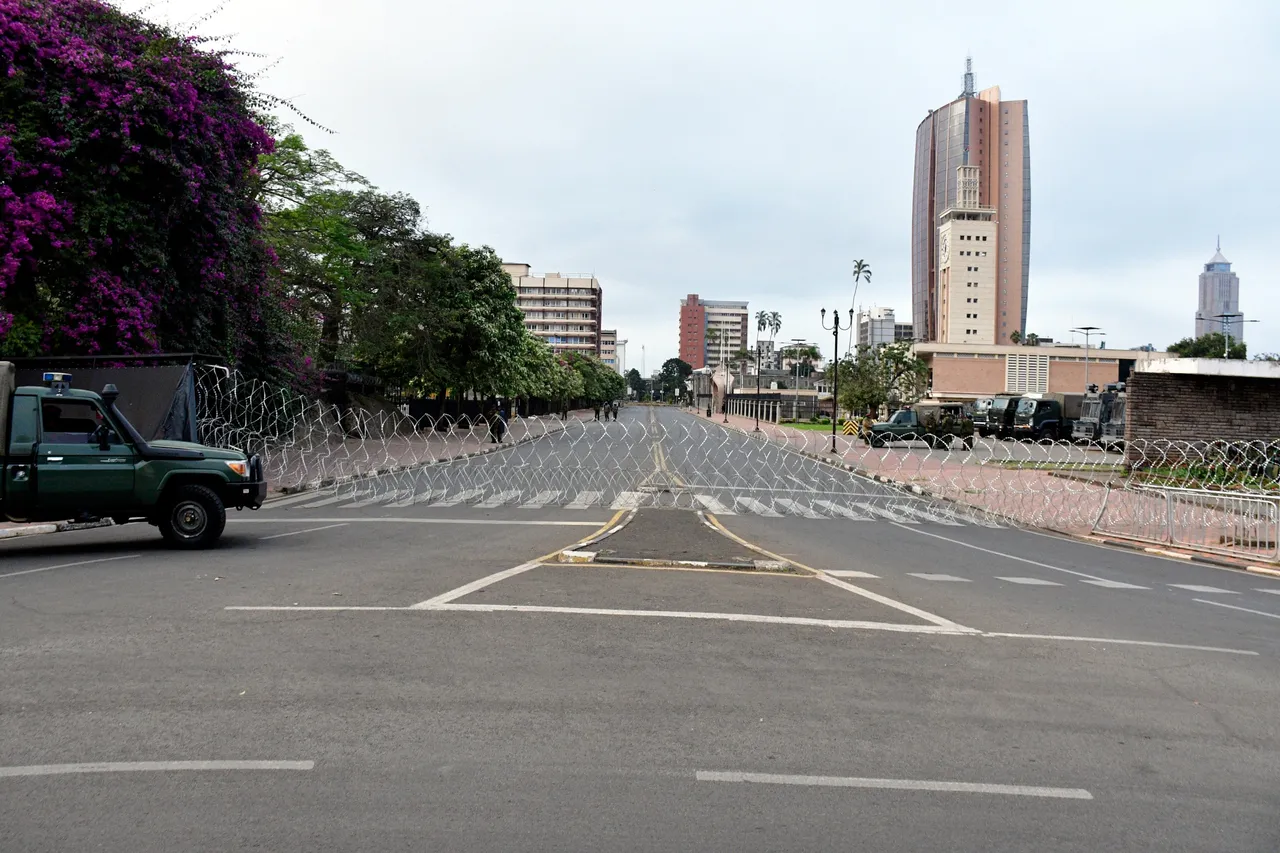
The roadblocks sealed off the capital, creating one of the most extensive security operations witnessed in Nairobi in recent years.
Transport operators also complained of losses caused by delayed trips and reduced passenger numbers.
By mid-morning, major highways leading into Nairobi remained heavily congested as police maintained strict controls on movement into the city.
The demonstrations are expected to take place in Nairobi and other towns across the country as Kenyans mark the anniversary of the June 25 protests, which culminated in the storming of Parliament and sparked nationwide demands for accountability, governance reforms and police oversight.