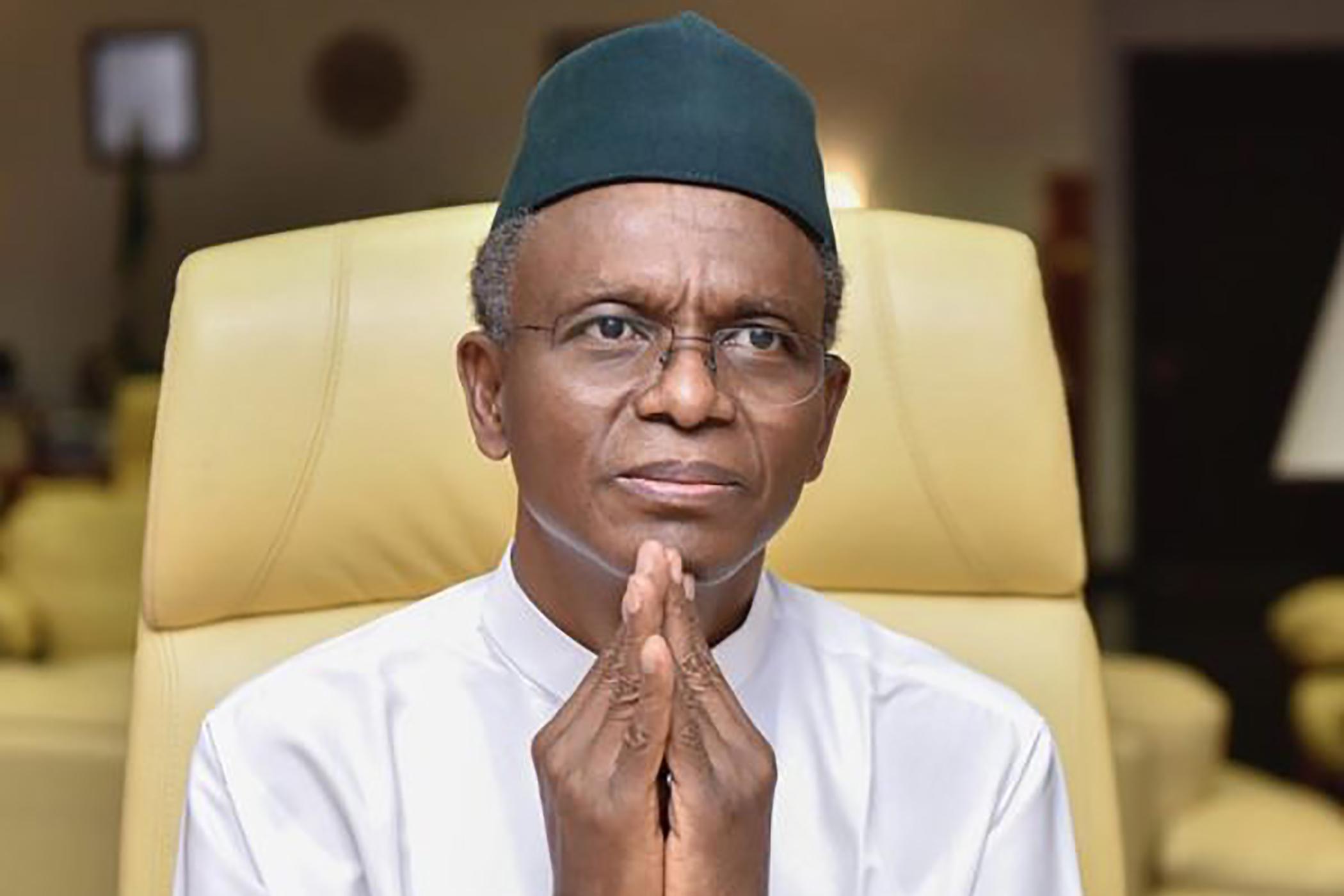
At Tuesday’s court sitting, counsel to the DSS, Oluwole Aladedoye, informed the court that the agency would not be calling further witnesses in the matter. He maintained that the evidence already tendered was, in its view, sufficient to sustain the charges against the former governor.
In response, el-Rufai’s lawyer, Paul Erokoro, told the court that the defence would challenge the prosecution’s case through a no-case submission, arguing that the DSS had not established a prima facie case requiring his client to enter a defence.
The defence counsel requested a two weeks period to formally file the application, a request that was not opposed by the prosecution, which also sought time to respond.
Erokoro further asked the court to revisit the bail conditions earlier imposed on el-Rufai, describing them as excessively strict and difficult to satisfy.
He specifically objected to requirements mandating sureties who are level 17 civil servants with property in Maitama or Asokoro, as well as verification letters from the Kaduna State Traditional Council, arguing that they were unrealistic and restrictive.
However, DSS counsel opposed any relaxation of the conditions, asking the court to maintain the existing terms.
Delivering a ruling, Justice Abdulmalik declined the application for variation, holding that individuals who meet the stipulated requirements could still be found.
The court subsequently adjourned proceedings on the no-case submission application to September 22.
El-Rufai is facing a five-count amended charge filed by the DSS over allegations bordering on unlawful interception of telephone conversations allegedly linked to Nigeria’s National Security Adviser, Nuhu Ribadu.
The case also references remarks made by el-Rufai during a television interview on Arise TV, where he alleged that unidentified individuals had wiretapped the NSA’s phone, enabling him to overhear communications relating to his planned arrest.
Goodness Anunobi