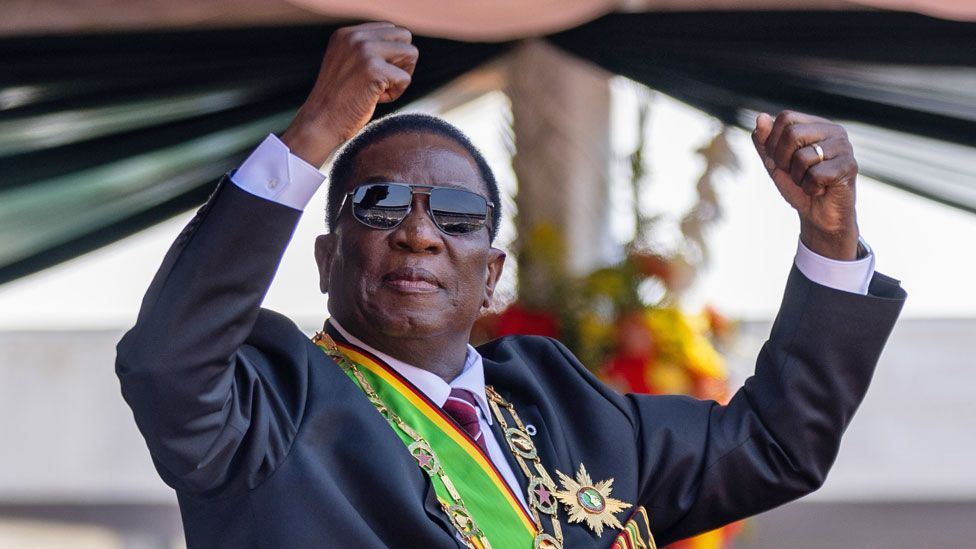
Zimbabwe’s lower parliament on Thursday passed a bill extending presidential terms from five to seven years, a move that could allow 83-year-old President Emmerson Mnangagwa to remain in power until 2030.
During plenary, 216 lawmakers voted in favour of the legislation, comfortably surpassing the two-thirds majority threshold of 187 votes required for the bill to advance to the upper chamber.
The proposed law seeks to add two years to Mnangagwa’s current tenure, which is due to expire in 2028. The bill has now been forwarded to the upper chamber for further debate and consideration.
With the ruling ZANU-PF controlling the upper chamber, the legislation is widely expected to secure approval.
The development comes less than a year after Mnangagwa publicly dismissed speculation about extending his stay in office, insisting he would leave power at the end of his constitutionally mandated second term.
“I have two terms, and these terms are very definite and I am so democratic; when they come to an end I will step aside and my party will elect a successor. That’s as clear as day,” Mr Mnangagwa told journalists when asked whether he would seek tenure elongation in 2025.
Nicknamed “the crocodile”, Mnangagwa assumed power following a 2017 military coup that removed longtime leader Robert Mugabe from office.
The coup brought an end to Mugabe’s rule, which had lasted since Zimbabwe’s independence in 1980, and cleared the path for Mnangagwa’s rise to power.
Mnangagwa was subsequently elected as substantive president in 2018 and secured re-election in 2023 for a second term scheduled to conclude in 2028. If the proposed constitutional amendment is ultimately approved, he could remain in office for an additional two years beyond that date.
Faridah Abdulkadiri