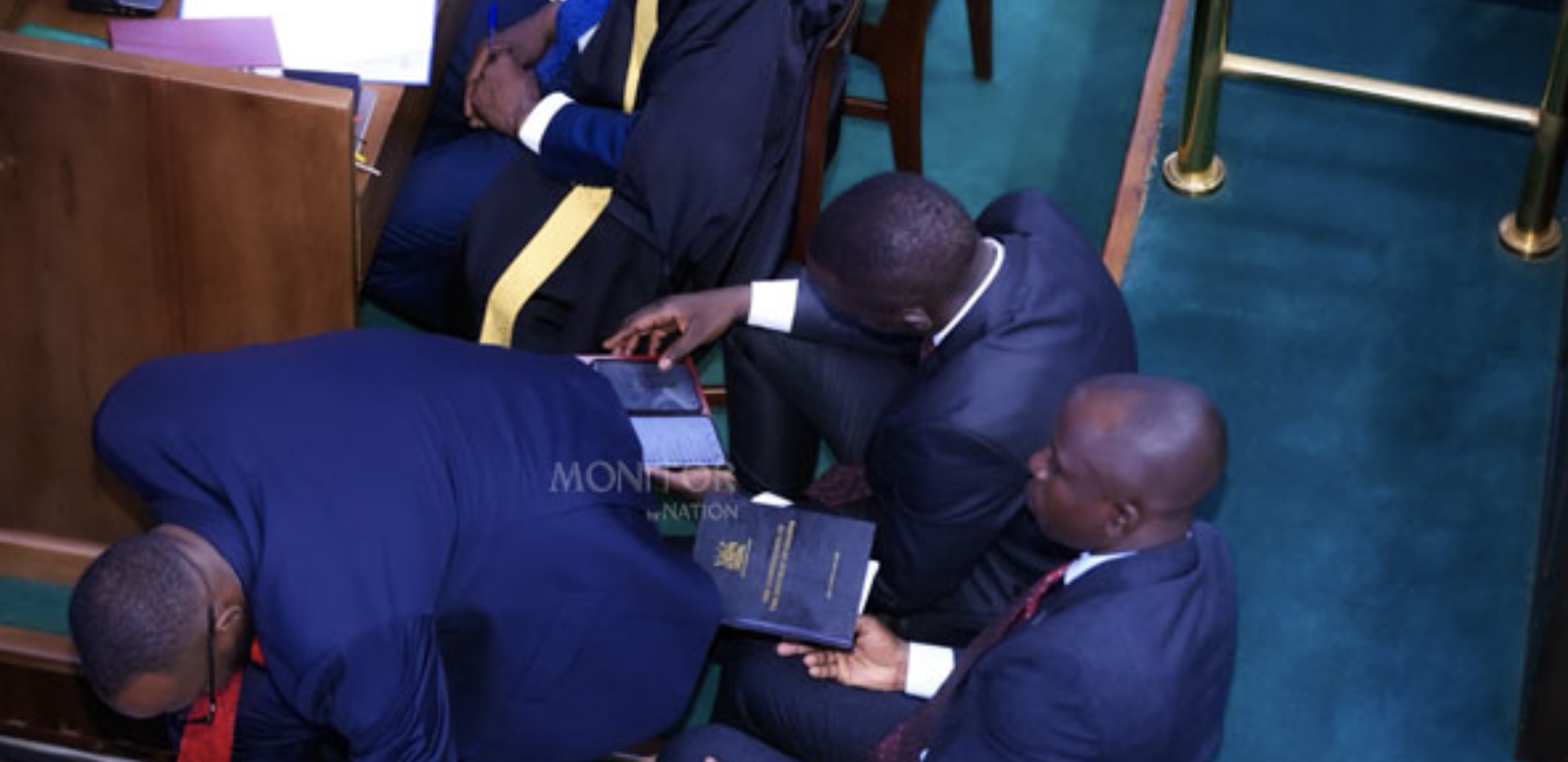
Members of Uganda’s 12th Parliament are facing severe seating shortages and congestion in the legislative chambers, forcing many legislators to sit on the floor, stand in doorways, or squeeze into the public gallery.
The space crisis is worsened by the massive size of the current Parliament—bloated to over 529 members—compared to the original chamber, which was built during the colonial era to accommodate only about 80 people.
Because seating operates on a first-come, first-served basis, overflowing members of the ruling National Resistance Movement (NRM) party have frequently spilled over to occupy empty seats on the opposition side.
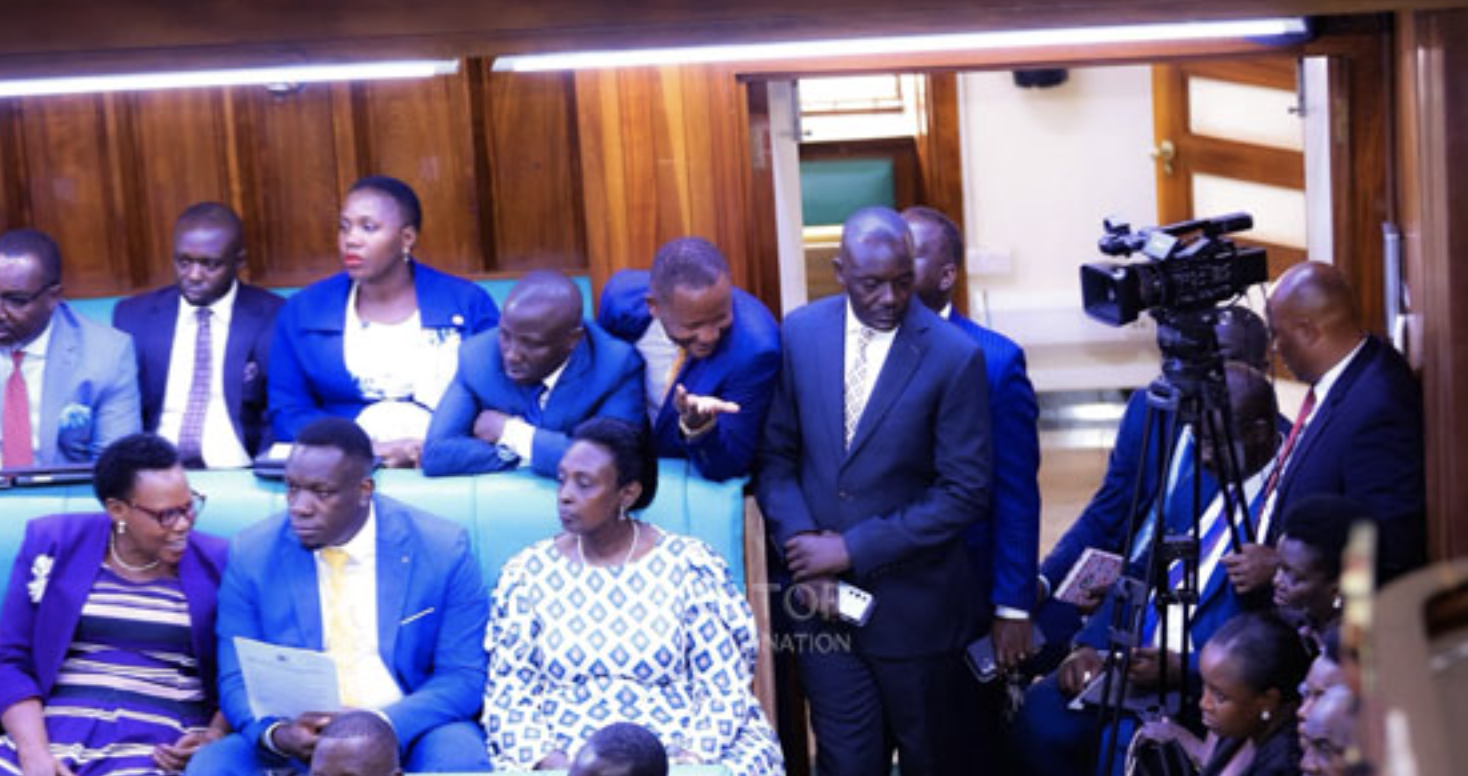
During plenary sessions on June 10, 2026, Speaker Jacob Marksons Oboth announced that to accommodate the overwhelming numbers, there will be “free sitting” on either side of the House, except for the front benches reserved for ministers and shadow ministers.
The congestion has reignited intense scrutiny over the stalled Ush220.2 billion new parliamentary chambers project contracted to Roko Construction Company. The project officially commenced in July 2017 but remains incomplete despite massive budget allocations.
The directive follows formal complaints from lawmakers, most notably Leader of the Opposition, Joel Ssenyonyi, who has continuously criticized the prolonged delays and questioned why the project has become a “bottomless pit.”
Mr Ssenyonyi previously questioned why the government continues to spend billions of taxpayers’ money renting office space in private buildings while a contractor was already paid to build the new chambers. He had even suggested that Parliament halt approving funds for the project due to a lack of accountability and slow progress by Roko.
Following these complaints during the May 28 plenary, Speaker Oboth-Oboth gave the Clerk to Parliament a two-week timeframe to present a comprehensive status report on the stalled project.