Iran has rejected reports that the United States could use frozen Iranian assets to compensate Gulf allies for war-related damage, warning that any such move would be unlawful and could trigger a response from Tehran.
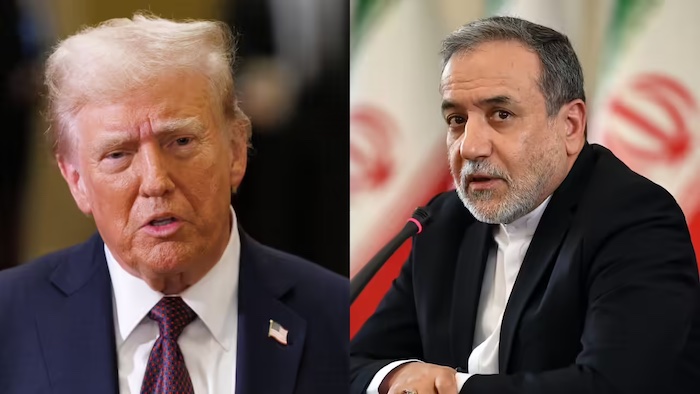
Iran’s Deputy Foreign Minister, Kazem Gharibabadi, said regional governments were “not in a position to demand reparations” from Iran and insisted the country’s assets could not be used to fund reconstruction efforts in states affected by the recent conflict.
Responding to reports that Washington was considering making Iranian assets available to Gulf allies for rebuilding and repair costs, Gharibabadi wrote on X that Iran’s assets were “neither war spoils for Washington nor a payment fund for its allies”.
Reuters reported on Saturday, citing a source familiar with the matter, that the US was weighing the use of Iranian assets to support future reconstruction and repair work in Gulf countries affected by Iranian attacks. The report said US Treasury Secretary Scott Bessent had directed officials to assess the cost of damage already inflicted on Gulf allies by Iran.
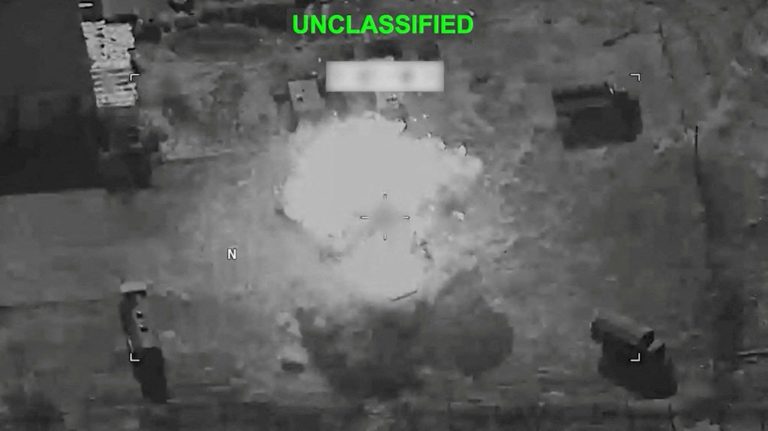
During the conflict, Iran launched missile and drone attacks against several Gulf countries, saying it was targeting US and Israeli interests in the region. On Saturday, Tehran said it fired ballistic missiles at US military bases in Kuwait and Bahrain. The US military said six missiles were intercepted while a seventh failed to reach its target. Kuwait reported material damage but no casualties, while Bahrain advised residents to seek shelter.
Research firm Rystad Energy estimated in April that repair costs for energy-related infrastructure across the Middle East could reach as much as $58 billion.
Gharibabadi warned that any seizure, transfer or allocation of Iranian assets without Tehran’s approval would constitute “a new internationally wrongful act”, adding that it would create legal responsibility for Washington at a time when it claims to be pursuing dialogue with Iran. He also said such a move would prompt an “appropriate response” from Tehran, without providing further details.
Iran is seeking the release of some of its frozen funds as part of ongoing negotiations with the United States aimed at ending the conflict. Tehran’s demands also include the lifting of US and international sanctions, as well as recognition of its influence over the Strait of Hormuz.
Gharibabadi argued that some regional governments had placed their territory and facilities “at the service of aggression against Iran” and therefore had no basis to seek compensation. Instead, he said those governments should compensate Iran for damage suffered during the conflict.
Faridah Abdulkadiri