The number of confirmed Ebola cases in Central Africa has risen sharply to nearly 500 as health authorities struggle to contain a fast-moving outbreak across the region.
According to an update from the World Health Organization (WHO) on Saturday, a total of 471 cases and 84 deaths have been recorded in the Democratic Republic of Congo (DRC) and neighbouring Uganda since the outbreak was declared weeks ago.
In the DRC, officials have confirmed 452 cases, including 82 deaths, while Uganda has recorded 19 confirmed cases and two deaths. The figures represent a significant increase from previous reports, with about 100 new cases and 20 additional deaths recorded within 24 hours.
The outbreak, first declared on May 15 in northeastern DRC, is believed to have spread undetected for a period before detection, raising concerns about wider transmission.
The WHO has classified the situation as an international public health emergency, warning that the outbreak could expand further if not urgently contained.
Health experts have compared the current trajectory to the devastating 2014 West Africa epidemic, which recorded more than 28,000 cases and over 11,000 deaths. A senior official at the US Centers for Disease Control and Prevention (CDC), Jason Asher, noted that current modelling suggests the outbreak could reach similar levels without stronger intervention.
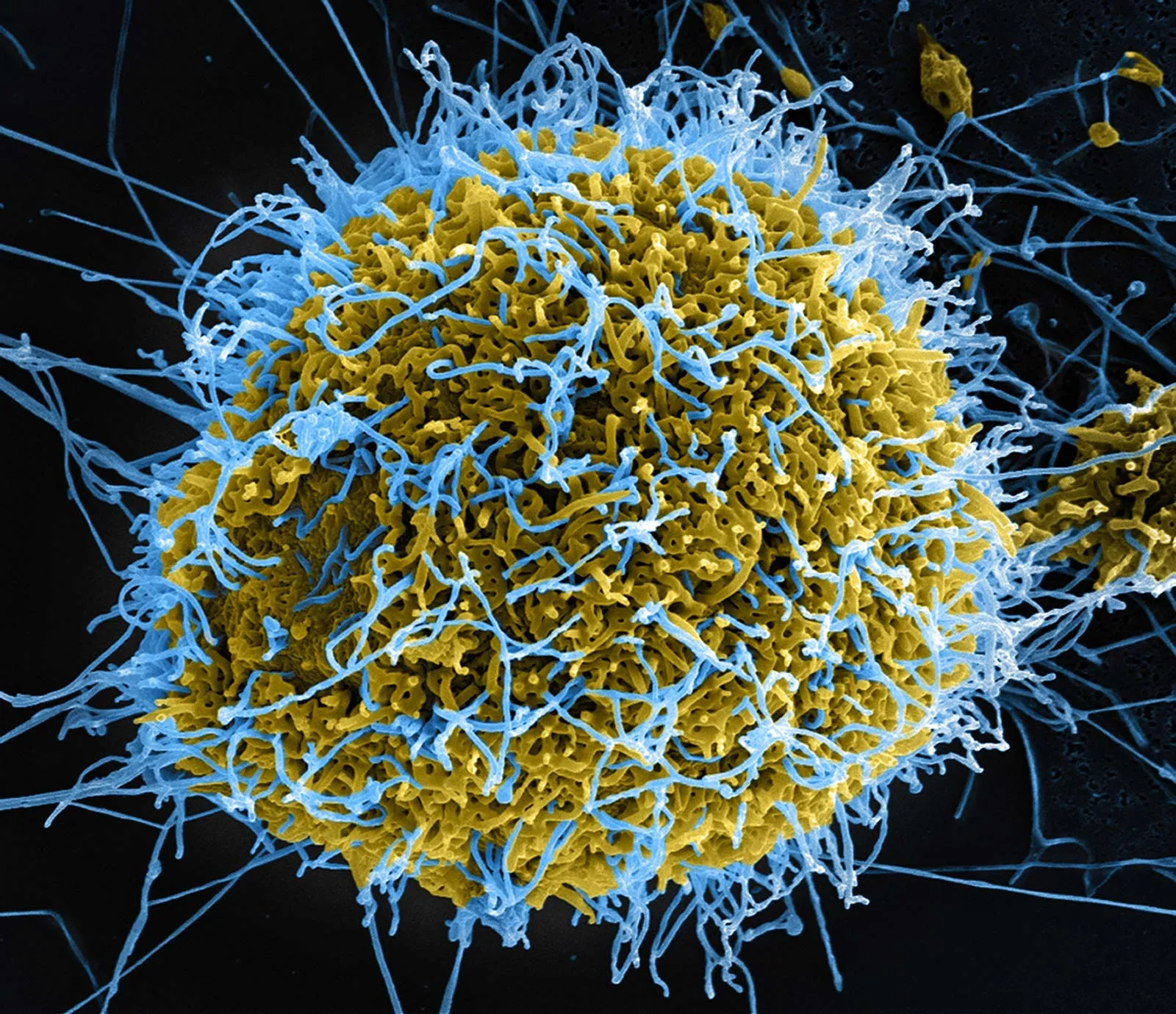
Ebola is transmitted through direct contact with infected bodily fluids and remains one of the deadliest viral diseases in the world, having claimed over 15,000 lives across Africa in the past five decades.
Authorities say the current strain involved is the rare Bundibugyo species, for which no approved vaccine or treatment is currently available, further complicating containment efforts.
In response, the WHO and the Africa Centres for Disease Control and Prevention (Africa CDC) have launched a $518 million emergency response plan aimed at strengthening surveillance, laboratory testing, and infection control measures over the next six months.
WHO Director-General Tedros Adhanom Ghebreyesus said the situation remains critical, stressing the need for rapid and coordinated action across affected and neighbouring countries.
“The outbreak is moving fast, and we are still playing catch-up,” he said, adding that urgent containment is necessary to prevent further regional spread.
Health agencies continue to intensify monitoring and response operations as concerns grow over the potential scale of the outbreak.