Nigerian gospel singer Yinka Alaseyori has issued a public apology following criticism over her comments regarding the abduction of schoolchildren and teachers in Oyo State.
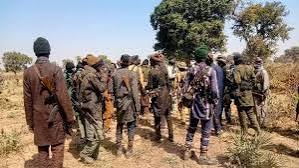
The incident occurred on May 15, 2026, when bandits invaded Community High School in Ahoro-Esinele, Oriire Local Government Area of Oyo State, abducting seven teachers alongside several students. Reports later confirmed that one of the kidnapped teachers was killed, heightening public outrage over insecurity in schools.
The attack has since triggered widespread concern across the country, with parents, labour unions, and civil society groups staging protests and demanding stronger government action to secure the release of the victims and improve safety in educational institutions.
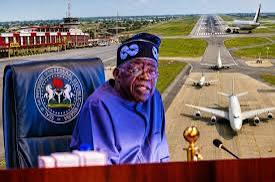
In a previous video, Alaseyori had urged Nigerians to pray for President Bola Tinubu and security agencies, stating that the government was making efforts to rescue the abducted victims.
Her remarks, however, drew criticism from several Nigerians, including public figures, who argued that the situation required urgent security intervention rather than calls for prayer alone.
Responding to the backlash in a follow-up video on Wednesday, the singer expressed regret over how her comments were perceived, saying she did not intend to dismiss the pain of affected families or the concerns of the public.
She explained that her earlier message was part of a longer prayer session dedicated to victims, grieving families, and the nation, but said an edited version circulating online may have distorted her intent.
“Mothers, please don’t be angry with me. I begged you in the name of Jesus Christ, you will never bury your children. I beg you in God’s name, please forgive me if I ever speak as if I’m insensitive,” she said.
Alaseyori maintained that she has always been compassionate toward those affected and reiterated her apology to Nigerians who felt offended by her remarks.
The development continues to spark debate online over public messaging, accountability, and the role of religious leaders in addressing national security challenges.