Trump-Ordered Nigeria Operation Killed ISIS Commander, Al-Minuki – U.S. Defence Sec.
Claims about recent U.S. military activity in Nigeria have sparked renewed debate after U.S. Defence Secretary, Pete Hegseth, said the operations were ordered by President Donald Trump to protect Christians allegedly targeted by ISIS-linked groups. Hegseth said the directive led to the killing of an Islamic State commander identified as Abubakar Mainok, also known as …
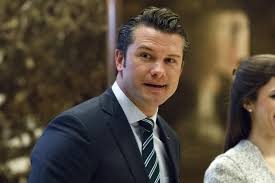
Claims about recent U.S. military activity in Nigeria have sparked renewed debate after U.S. Defence Secretary, Pete Hegseth, said the operations were ordered by President Donald Trump to protect Christians allegedly targeted by ISIS-linked groups.
Hegseth said the directive led to the killing of an Islamic State commander identified as Abubakar Mainok, also known as Abu-Bilal Al-Minuki, during operations in Nigeria’s North-East region. He also stated that more than 100 other ISIS fighters have been killed by US Africa Command as part of ongoing counterterrorism missions in the region.
Speaking at a White House press briefing, Hegseth said Trump ordered the military to prioritise the protection of Christians in Nigeria, claiming intelligence showed targeted attacks by ISIS affiliates.
However, the operations referenced reportedly took place in areas such as the Lake Chad Basin, where armed groups carry out attacks affecting both Muslim and Christian communities.
The U.S. has previously framed violence in parts of Nigeria as religiously motivated, a characterization that Nigerian authorities have repeatedly rejected, insisting the conflict is driven largely by terrorism and insurgency rather than targeted religious persecution.
Hegseth described Al-Minuki as a senior ISIS figure responsible for coordinating attacks, including against civilians and U.S. interests. Trump also described the mission as a “meticulously planned and very complex operation” carried out in coordination with Nigerian forces.
The joint operation followed months of heightened tensions and earlier US scrutiny of Nigeria’s security situation, including its designation as a Country of Particular Concern.