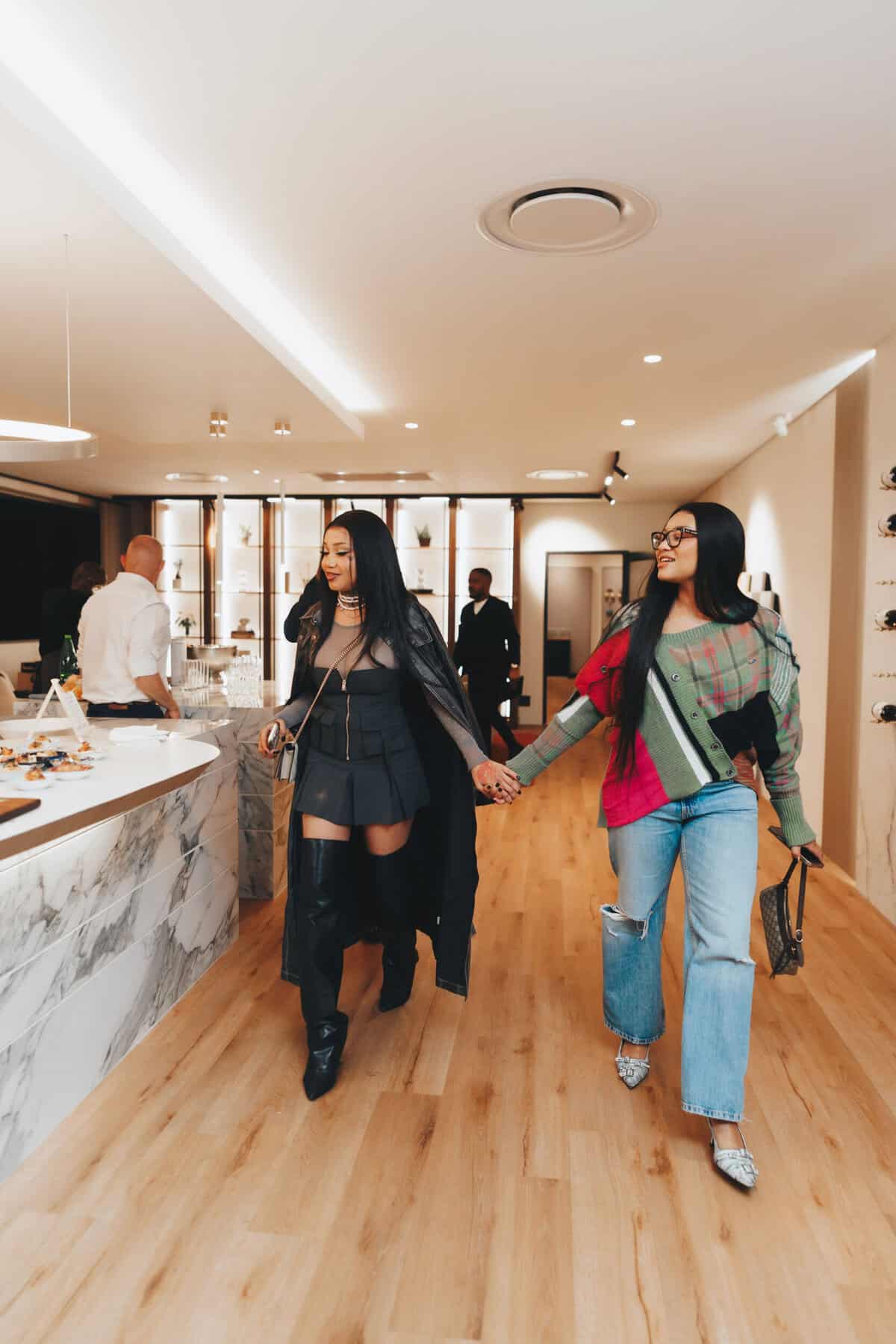
One could be forgiven for forgetting that Shamiso Mosaka and Londie London only recently became colleagues. The pair seem intent on building rapport outside their podcast studio, and when you consider the “mean girl” allegations that plague several women in South Africa’s entertainment industry, it’s quite refreshing to see.
Most South Africans came to know her through her edgy online persona and later, on Showmax’s Born Into Fame, where she was part of an ensemble of young people navigating inherited celebrity and the particular pressures that come with it.
She was hard to ignore then. Now, as a co-host on the Podcast and Chill Network’s Read The Room alongside Londie London and Phil Mphela, she has found a platform that fits her in a way that other projects rarely do.
On the night the young star caught up with The Citizen, she was at the invitation-only premiere of Life With Londie – Londie London’s new solo reality series on Mzansi Magic (DStv channel 161), which airs every Thursday at 8pm.
The friendship nobody planned
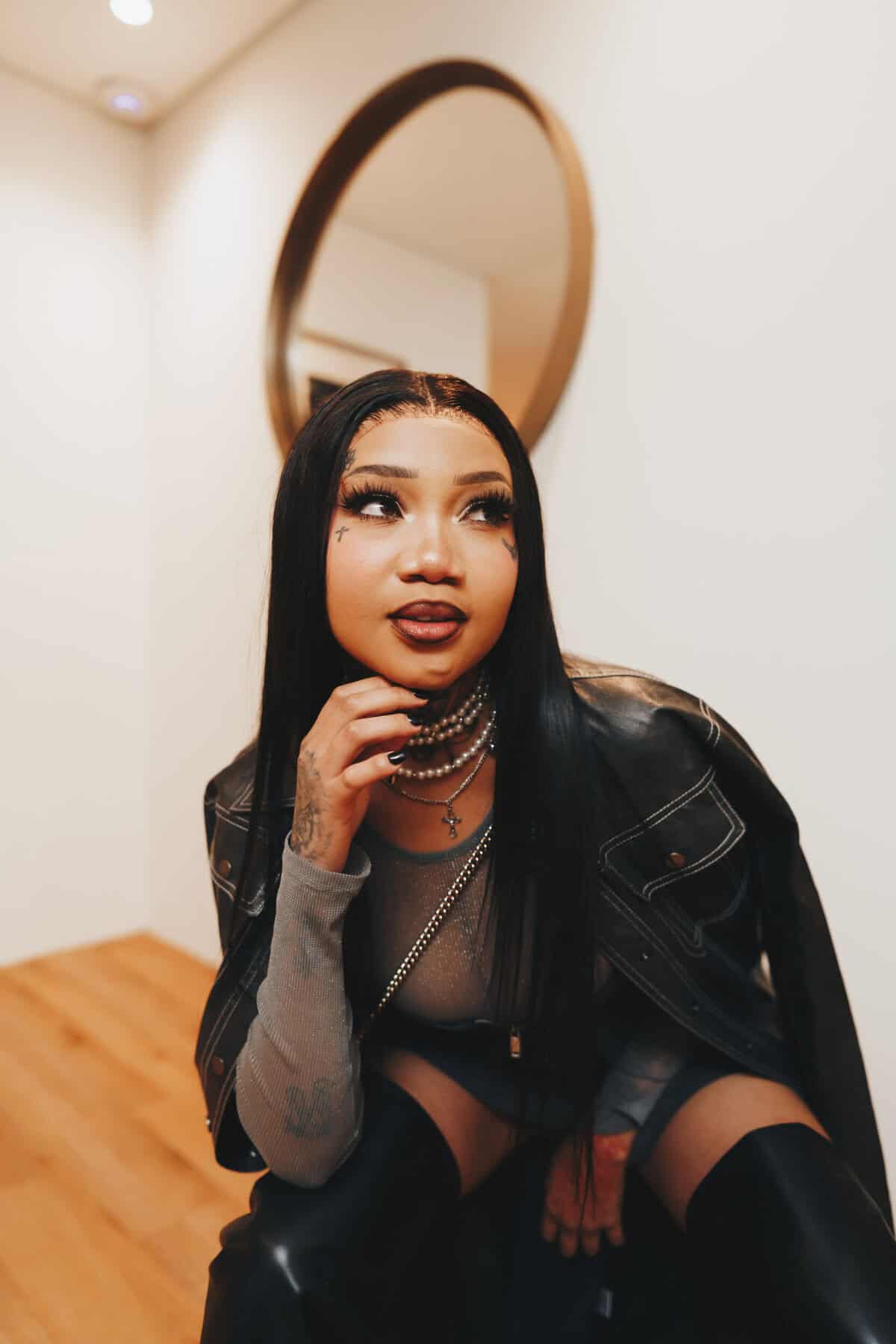
Shamiso and Londie did not start as friends. They started as strangers who became colleagues, and the friendship grew from there.
“I knew of her. I always liked her on Real Housewives of Durban, but I don’t think I’d ever actually met her in person before Read The Room. That was the first time we had a real close encounter,” Shamiso told The Citizen.
What makes their dynamic interesting is the way it resists easy categorisation.
Shamiso is younger, so she bristles at the kind of mentorship that borders on condescension, and she is candid about it.
“A lot of girls that I’ve been friends with that are older than me ‘little-sister’ me too much, in a way that I feel undermined,” she says, with the particular directness she has become known for.
“It’s like, yo, I understand you’re older than me, and you have more life experience in certain departments, but I’m still an individual. You need to trust that some of these decisions I made myself, and I back them.
“Londi’s always been great at being a friend but also being like, ‘hey, I know this, but that’s your life.’ Some people impose, you know? She’s got a beautiful heart. As spicy as she is, she’s so kind, really and truly.”
A different kind of reality TV veteran
Shamiso’s experience with the genre means she came to the premiere with a specific frame of reference that Londie clearly valued.
“I said, ‘Are you ready again?’,” she laughs, recalling the first thing she told Londie when she found out about Life With Londie. “That’s literally what I asked. Are you ready again?”
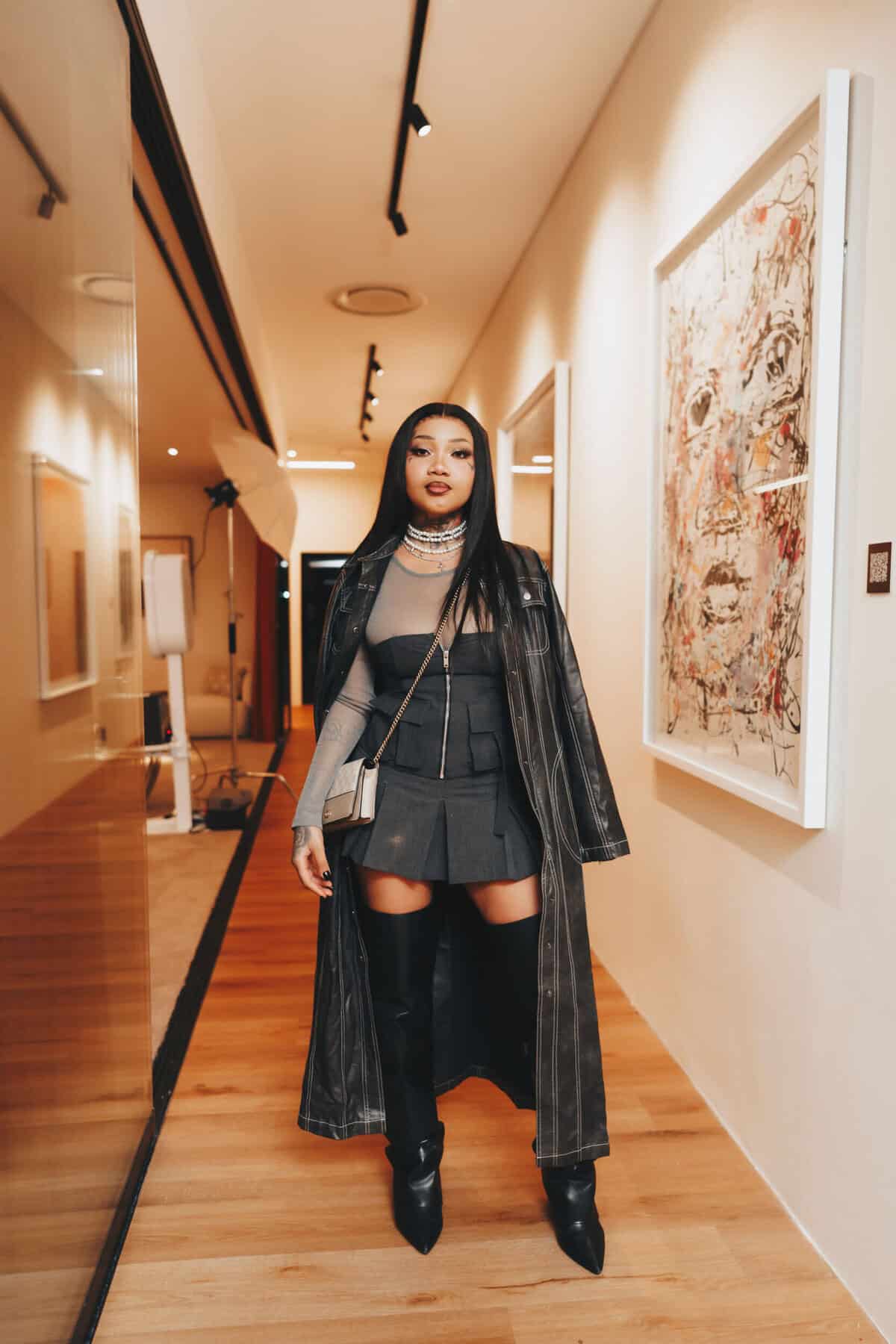
Then came the endorsement:
“If you’re bearing it all, because she was like, ‘no, I’m setting the record straight, it’s everything, my kids,’ I was like, ‘yo, if you’re doing that, you don’t need a co-star. Your life is interesting enough, like truly.’”
Shamiso understands what it costs to let cameras in, but where Londie does that solo, Shamiso had the cover of an ensemble cast.
So who is Shamiso, really?
When asked to give the people who have not given her a fair chance an entry point into who she is, she plainly says:
“What you see is what you get. If you see it and you don’t like it, you probably won’t like me. If you see it and you love it, you’re probably going to be obsessed. I’m very genuine.”
She is careful to define that word, though. Genuine, she says, does not mean palatable.
“Genuine doesn’t necessarily mean you’re always going to be palatable. I mean genuine in the sense that what you see is what you get, what I say is what I mean, and I mean what I say. I like what I like, I like who I like, I don’t like who I don’t like. But at least I’m not pretending.”
“I have a big f***ing heart. The biggest heart of anyone I know. I wish there were ten of me in my life.”
The mental health conversation she refuses to make comfortable
There is a version of celebrity mental health advocacy that stays safely in the lane of inspirational, and this young star has never been interested in that lane.
She has spoken openly about her own journey, including a borderline personality disorder diagnosis, and when the subject comes up in our conversation, she goes straight to the part most people politely avoid.
“Psychiatrists, psychologists, they’re expensive as sh*t,” she says, flatly.
“So are antidepressants and medication. I don’t want to speak in a tone-deaf way where I know I’m also speaking to people whose parents don’t support it, maybe they’re still students, maybe they don’t have the financial strength.”
She also makes it clear that she is not dismissing professional help, noting that she has accessed it herself, including a period in a psychiatric facility during a particularly low point.
But she is clear that the way the conversation is usually framed – “get help, go to therapy” – assumes a set of circumstances that a significant portion of her audience simply does not have.
“I’ve been to an institution where I felt like I was too depressed to even function. But I know not everyone has that privilege, and depression doesn’t discriminate – so I can’t just talk to people who have the privilege.”
For people who may not have the privilege, she offers the value of reading up, learning your own patterns, equipping yourself with language for what you are experiencing, even when the formal support systems are out of reach – something that younger generations are criticised for because of the apparent ubiquity of therapy speak and self-diagnosis.
“I have borderline personality disorder. I read up on myself where I can understand when I’m having a manic episode, when I’m splitting, not that I don’t need assistance, but assist yourself as much as you can. Because this stuff isn’t cheap.”
The next chapter
In addition to Read The Room, Shamiso is preparing to launch Tattoo Tours with Shamiso, a YouTube show she describes with the enthusiasm of someone who has found the exact project they were meant to make.
“I sit down with a guest while they get a tattoo and I interview them. I interview the tattoo artist. I feel like there’s not enough of that highlighted in the Black community,” she says, beaming.
She has already shot her first episode, and the format, built around two of her defining passions, feels like a natural extension of what she has always done.