Leading voices within Nigeria’s advertising and marketing communications industry have rallied behind the Federal Government’s directive mandating the settlement of media debts within 45 days, describing the move as a decisive and long-awaited intervention capable of restoring financial discipline and stability across the sector.
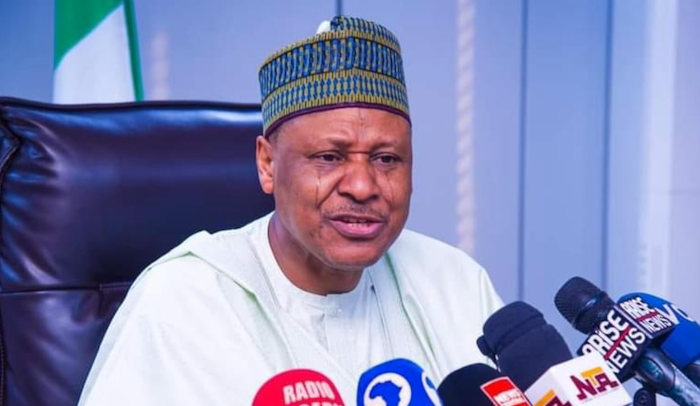
The directive, championed by the Honourable Minister of Information and National Orientation, Alhaji Mohammed Idris, has continued to generate strong reactions from practitioners and industry stakeholders, many of whom insist that chronic payment delays have over the years weakened agencies, destabilised media organisations and fuelled job losses across the communications value chain.
For many operators, the policy signals more than a regulatory adjustment. It represents an attempt to confront one of the industry’s most damaging structural prolonged culture indebtedness that has steadily eroded confidence, strained operations and left many businesses struggling to survive.
Among the strongest voices backing the directive is former APCON Chairman, Udeme Ufot, who described the Minister’s intervention as both timely and necessary.
According to Ufot, the Nigerian advertising industry has for years operated largely as a “buyers’ market”, where advertisers wield disproportionate influence over agencies and media houses, often leaving service providers financially exposed and unable to insist on payment discipline without risking key commercial relationships.
“The structure of the industry tends to put advertisers in a dictatorial advantage,” he said, warning that the persistent absence of payment discipline has contributed significantly to the decline and eventual collapse of several media organisations.
He noted that many agencies and media owners have historically been forced to absorb enormous financial pressure simply to keep client relationships intact, a reality he believes has continued to undermine the long-term health of the industry.
Also reacting to the development, former President of the Association of Advertising Agencies of Nigeria (AAAN), Bunmi Oke, described the directive as an important and commendable step towards reforming the industry’s financial culture.
She, however, stressed that the real value of the policy would ultimately depend on the strength of its enforcement framework and the ability of institutions within the sector to ensure measurable compliance.
According to Oke, declarations alone would not be sufficient to change entrenched practices unless backed by coordinated regulatory processes and clear accountability mechanisms capable of driving adherence across the advertising ecosystem.
In her view, even the most well-intentioned reforms can lose momentum without a functional governance structure to sustain implementation and industry-wide cooperation.
For Steve Babaeko, Group Chief Executive Officer of X3M Ideas and President of the International Advertising Association (IAA), Nigeria Chapter, the directive represents a breakthrough many practitioners have waited decades to see.
Babaeko observed that the media debt challenge has remained deeply rooted within the industry for years, driven largely by a chain of delayed financial obligations that eventually weakens agencies and leaves media organisationsbattling severe cash flow pressures.
He warned that the long-term sustainability of Nigeria’s media ecosystem depends heavily on a disciplined payment culture, noting that financially distressed media institutions cannot effectively fulfil their broader responsibilities to democracy, culture and economic development.
Also lending her voice to the growing industry consensus, Managing Director and Chief Executive Officer of Vert Ideé, Olamide Blessing-Kayode, FRPA, described Minister Idris’ intervention as a necessary step towards dismantling a debt culture that has weighed heavily on operators within the sector for years.
According to her, media houses and advertising agencies have routinely financed campaigns from their own resources while enduring payment cycles stretching between six and 12 months. This situation, she said has placed extraordinary pressure on businesses across the industry.
“This directive is more than a policy statement; it is an attempt to reset the culture of debt that has weakened agencies and media houses for years,” Blessing-Kayode said. “The era where advertisers use the media industry as free credit must come to an end. If properly enforced, this will protect jobs, strengthen cash flow across the value chain and create a healthier, more sustainable advertising ecosystem.”
She added that the introduction of a mandatory 45-day payment threshold, commercial interest on delayed payments and restrictions preventing advertisers from switching agencies without settling outstanding obligations signals a more serious commitment to financial accountability within the industry.
Although the Director-General of the Advertising Regulatory Council of Nigeria (ARCON) has acknowledged the directive and assured stakeholders of institutional compliance, much of the industry conversation has centred on the unusually broad support the policy has received from practitioners who have long advocated reforms aimed at restoring financial sanity to the sector.
With momentum continuing to build around the directive, attention is now expected to shift firmly towards enforcement, as stakeholders intensify calls for strict compliance with the 45-day payment rule across Nigeria’s advertising and media landscape.
Raheem Akingbolu