Revised foreign exchange framework introduces major changes to PTA, BTA, export proceeds and international payments ahead of June 2026 implementation….
The Central Bank of Nigeria has unveiled a new foreign exchange framework aimed at tightening regulation, improving market transparency and restoring investor confidence as the country continues efforts to stabilise the naira and reform the FX market.
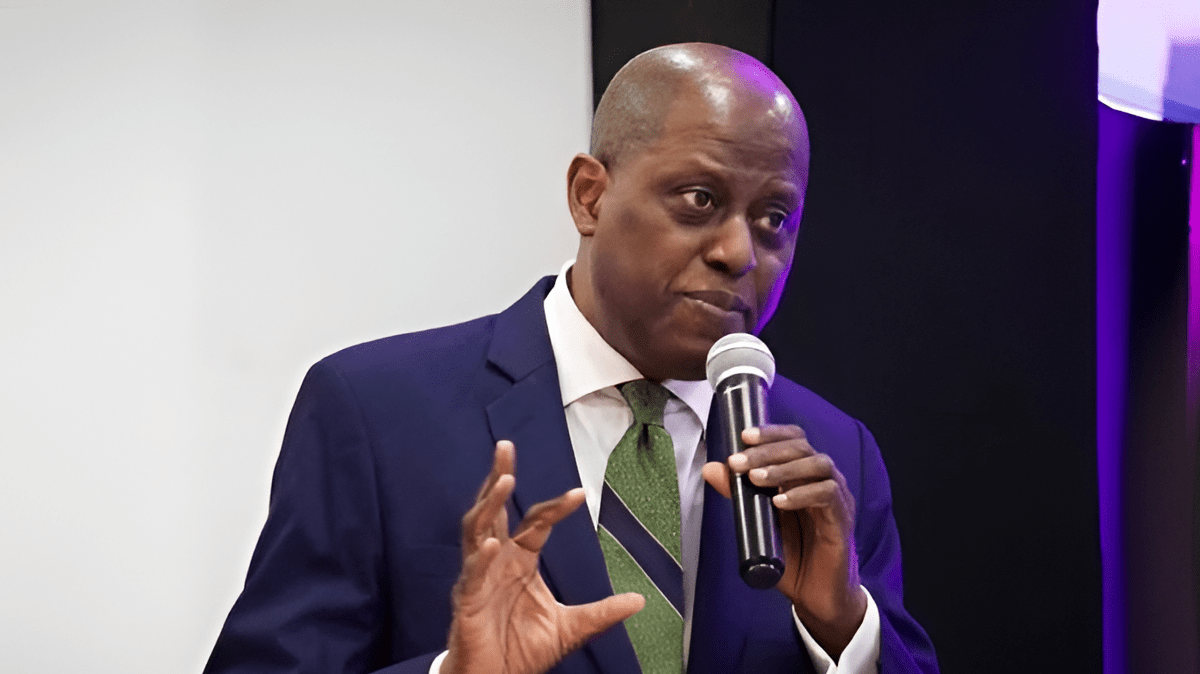
Speaking at the official launch of the Fourth Edition of the Foreign Exchange Manual in Abuja on Friday, CBN Governor Olayemi Cardoso said the revised framework represents a major step in modernising Nigeria’s foreign exchange administration and strengthening macroeconomic stability.
According to Cardoso, the updated manual will officially take effect from June 1, 2026.
He explained that the revision became necessary due to changing global economic realities, domestic structural reforms and the increasing complexity of Nigeria’s foreign exchange environment over the last decade.
“This unveiling reflects our collective commitment to strengthening Nigeria’s macroeconomic foundations, enhancing transparency, and reinforcing confidence in the foreign exchange market,” Cardoso said during the launch.
The CBN governor noted that the revised framework was developed after extensive consultations and technical reviews designed to align Nigeria’s FX market operations with international standards and best practices.
He stressed that the success of the new framework would largely depend on strict compliance by authorised dealer banks, exporters, importers, regulators, government agencies and other participants in the foreign exchange market.
Cardoso also disclosed that the apex bank would intensify monitoring and compliance enforcement to ensure accountability, transparency and fairness across the market.
In a move aimed at encouraging adoption, he announced that the revised manual would be made available free of charge to authorised dealers.
The Deputy Governor in charge of Economic Policy, Muhammad Abdullahi, described the revised manual as part of broader reforms initiated under Cardoso’s leadership to rebuild confidence, improve liquidity and strengthen the efficiency of Nigeria’s FX ecosystem.
According to him, the review process focused heavily on reducing transaction bottlenecks and simplifying processes to support ease of doing business.
“Our goal is to reduce transaction frictions, improve processing timelines, deepen market confidence, encourage formal market participation, and create a more seamless and efficient experience for legitimate users of Nigeria’s foreign exchange market,” Abdullahi stated.
One of the major changes introduced under the revised framework is the restructuring of Personal Travel Allowance and Business Travel Allowance disbursement.
Under the new arrangement, 75 per cent of PTA and BTA payments will now be made electronically, while only 25 per cent may be issued in cash.
The revised manual also increases the allowable advance payment for imports from 15 per cent to 30 per cent, while Form NXP processing will now be free.
In addition, the framework introduces fresh provisions covering service exports, remittances by technology companies, PAPSS transactions and non-resident investment accounts.
The apex bank also approved new rules allowing payments for services and fees in foreign currency where earnings are received in foreign currency.
For students studying abroad, the manual now permits tuition fee payments for undergraduate and postgraduate programmes up to a maximum of $25,000 per semester.
Other reforms include unrestricted access for holders of export proceeds and domiciliary accounts, full repatriation rights for foreign companies operating in Nigeria’s extractive sector and the removal of the mandatory Form A requirement for certain remittance transactions.
Abdullahi said the changes are expected to improve operational efficiency, reduce administrative delays and deepen confidence in the formal foreign exchange market.
Representing the Minister of Finance and Coordinating Minister of the Economy, Taiwo Oyedele, Permanent Secretary for Special Duties, Mohammed Danjuma, described the revised FX manual as a strategic tool that would strengthen market discipline, improve transparency and boost investor confidence.
He said the initiative reflects the government’s commitment to reforms aimed at promoting economic stability and sustainable growth.
Also speaking at the event, Chairman of the Body of Banks’ Chief Executive Officers and Group Managing Director of United Bank for Africa, Oliver Alawuba, praised the CBN for introducing reforms that are helping to restore credibility and confidence in Nigeria’s economy.
According to him, commercial banks are fully prepared to support the implementation of the revised manual and comply with the new regulations.
“The table has been turned. There’s so much greater confidence in the Nigerian economy, thanks to the reform conducted by the Central Bank of Nigeria,” Alawuba said.