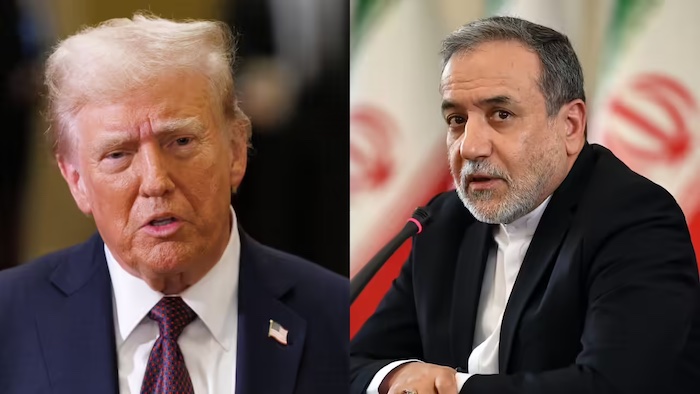
Iran has sent its response to the latest U.S. ceasefire proposal via Pakistani mediators and wants negotiations to focus on permanently ending the war, but President Donald Trump quickly rejected it as “totally unacceptable!” with no details.
Iran seeks to end the war on all fronts, including in Lebanon, where Israel is fighting the Iranian-backed Hezbollah militant group, and to ensure the security of shipping, state TV said. Washington’s latest proposal addressed a deal to end the war, reopen the Strait of Hormuz and roll back Iran’s nuclear programme.
Trump earlier on social media accused Tehran of “playing games” with the United States for nearly 50 years, adding: “They will be laughing no longer!”, AP reported.
Trump is giving diplomacy “every chance we possibly can before going back to hostilities,” the U.S. ambassador to the United Nations, Mike Waltz, told ABC earlier.
Iran’s new supreme leader, Mojtaba Khamenei, who has not been seen or heard publicly since the war began, “issued new and decisive directives for the continuation of operations and the powerful confrontation with the enemies” while meeting with the head of the joint military command, the state broadcaster reported, with no details.
It followed a U.S. proposal to end fighting before starting talks on more contentious issues, including Iran’s nuclear programme.
Iran’s semi-official Tasnim news agency said Tehran’s proposal included an immediate end to the war on all fronts, a halt to the U.S. naval blockade, guarantees of no further attacks on Iran and the lifting of sanctions on Iran, including a U.S. ban on Iranian oil sales.
The Wall Street Journal quoted unnamed sources saying Iran proposed diluting some of its highly enriched uranium and transferring the remainder to a third country.
Pakistan, which has been mediating talks over the war, forwarded the Iranian response to the U.S., a Pakistani official said.
Despite a month-old ceasefire in the conflict and after some 48 hours of relative calm, hostile drones were detected over several Gulf countries on Sunday, underlining the threat still facing the region.
With Trump due to visit China this week, there has been mounting pressure to draw a line under the war, which has ignited a global energy crisis and poses a growing threat to the world economy.
Tehran has largely blocked non-Iranian shipping through the narrow Strait of Hormuz, which before the war carried one-fifth of the world’s oil supply and has emerged as one of the central pressure points in the war.
Addressing whether combat operations against Iran were over, Trump said in remarks aired on Sunday: “They are defeated, but that doesn’t mean they’re done.”
Israeli Prime Minister Benjamin Netanyahu said the war was not over because there was “more work to be done” to remove enriched uranium from Iran, dismantle enrichment sites and address Iran’s proxies and ballistic missile capabilities.
The best way to remove the enriched uranium would be through diplomacy, Netanyahu said in an interview with CBS News’ “60 Minutes,” without ruling out removing it by force.
Emmanuel Addeh