Roy De Nani Alleges Industry Blacklisting, Recalls Loss of Two Children and Lack of Support from Nollywood
Veteran Nollywood actor Roy De Nani has opened up about what he describes as years of professional exclusion and deeply painful personal losses, including the deaths of two of his children. Speaking on the Where is the Lie podcast, the actor alleged that at a point in his career, he was deliberately shut out of …
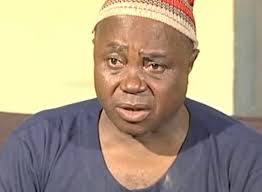
Veteran Nollywood actor Roy De Nani has opened up about what he describes as years of professional exclusion and deeply painful personal losses, including the deaths of two of his children.
Speaking on the Where is the Lie podcast, the actor alleged that at a point in his career, he was deliberately shut out of film opportunities due to an unofficial directive that discouraged producers from hiring him.
“A man gave an order that nobody should give Roy De Nani a job again. For years, even when I was already recording, a producer would come in and say, ‘No, cancel it. Stop,’” he said.
Beyond his professional struggles, De Nani also reflected on family tragedies that, according to him, occurred without support from colleagues in the film industry.
He recounted the death of his brother, saying that no members of Nollywood attended the funeral or offered assistance during the period of mourning.
“I have a brother from the same father. When he died, not a single actor or actress showed up,” he said.
The actor further revealed an even more devastating personal loss, disclosing that he lost both his son and daughter. He explained that the children, who were living with sickle cell disorder, required regular blood transfusions, but financial constraints made it impossible to sustain their treatment.
“I lost my son, I lost my daughter because they needed blood transfusion so they could continue living, but there was no money to buy the blood, and they died,” he said.
De Nani added that he does not necessarily accuse the industry of neglect, but expressed disappointment over the lack of intervention during his moments of crisis.
“Nollywood never came to assist me. Not that they don’t care, but they have not been touched. Let it be said that way,” he added.
His revelations have drawn attention to ongoing conversations around welfare, support systems, and informal structures within Nigeria’s film industry, particularly for veteran practitioners.