Proposed SpaceX–Tesla-backed facility would mass-produce advanced chips, with total investment potentially rising to $119 billion….
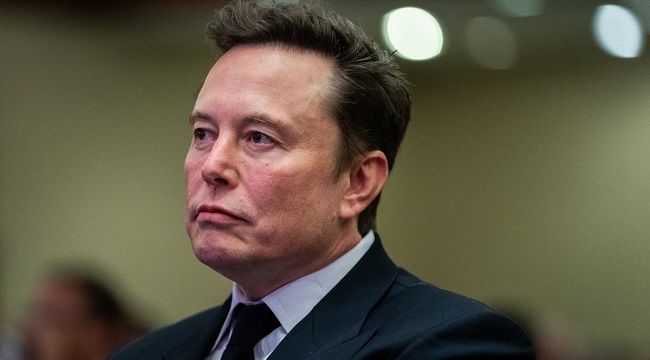
Elon Musk is planning a massive push into semiconductor manufacturing, with his companies set to invest at least $55 billion in a new Texas-based facility designed to produce advanced chips for artificial intelligence, robotics, data centers, and even space-based computing.
According to a public notice released Wednesday, the project named “Terafab” would be jointly operated by Tesla, Inc. and SpaceX.
The facility is expected to be located in Grimes County, Texas, about 70 miles northwest of Houston, where local authorities are preparing to review key approvals, including potential tax incentives for the project.
The initial phase of the project carries an estimated investment of $55 billion, with total spending potentially rising to $119 billion if additional expansion phases are completed.
According to project documents, Terafab is intended to significantly expand U.S. semiconductor manufacturing capacity while supporting Musk’s broader vision of scaling computing infrastructure to unprecedented levels.
The facility is expected to eventually support:
- 100–200 gigawatts of computing power on Earth
- Up to one terawatt of computing capacity in space
Musk has repeatedly argued that demand for computing power across Tesla and SpaceX operations will soon outpace global chip supply chains.
Despite having no prior experience in semiconductor manufacturing, he has positioned Terafab as a strategic necessity for both companies particularly as AI systems, autonomous vehicles, robotics, and space technologies become increasingly compute-intensive.
The Grimes County Commissioners Court is scheduled to meet on June 3 to consider approving a property tax abatement tied to the project, a key step that could influence the facility’s financial structure and long-term viability in the region.
A high-stakes bet on domestic chip production
If completed, Terafab would rank among the largest private industrial investments in U.S. history, placing Musk’s companies directly in competition with established global semiconductor manufacturers.
The project also reflects growing efforts to localize chip production amid ongoing concerns over supply chain security and rising demand for advanced processors.
For now, the proposal remains in its early stages, but its scale alone signals a dramatic expansion of Musk’s already sprawling technology empire.