Officials defend market-driven reforms as inflation bites harder and Nigerians grapple with soaring transport and food prices…..
The Federal Government has made its position unmistakably clear: fuel subsidy is gone for good.
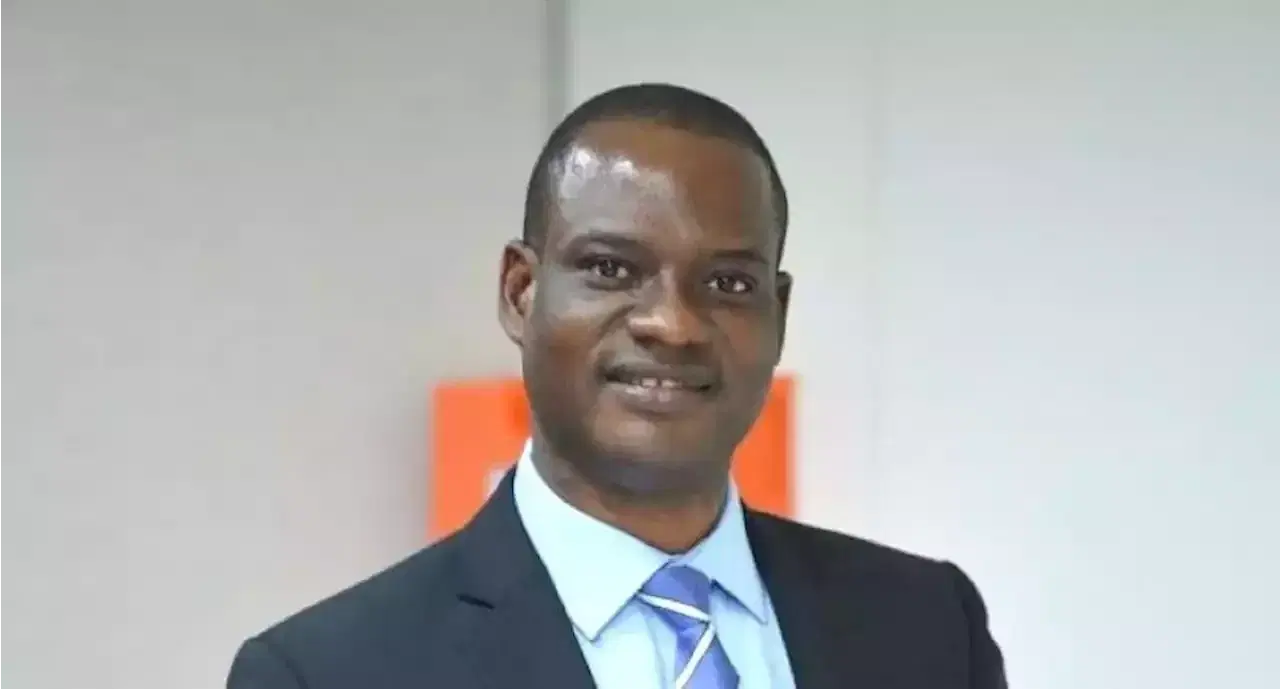
Speaking in Paris during a high-level meeting with global investors, the Minister of Finance and Coordinating Minister of the Economy, Taiwo Oyedele, dismissed growing calls for the return of petrol subsidies, insisting that the policy reversal is not on the table.
According to him, reintroducing subsidies would only revive the same economic distortions that have long hindered Nigeria’s growth.
“We will not bring back fuel subsidy because it creates distortions in the economy,” he said. “We also won’t impose price controls, as we believe the market should determine prices.”
His comments come at a time when many Nigerians are struggling with the aftershocks of the subsidy removal announced in May 2023, a decision that has significantly reshaped the country’s economic landscape.
Rising pressure on households
Since the policy took effect, the cost of living has climbed sharply. Inflation surged from just over 22 percent in May 2023 to more than 34 percent by mid-2024, marking one of the steepest increases in nearly two decades.
Even more concerning has been the spike in food prices, which crossed 39 percent later in the year, putting additional strain on households already dealing with higher fuel and transport costs.
For many Nigerians, the most immediate impact has been felt at the pump and on the road. Transport fares have reportedly tripled in some areas, creating a ripple effect across goods and services nationwide.
Government stands by reforms
Despite public frustration, the administration remains firm in its belief that the reforms are necessary for long-term stability.
President Bola Tinubu, who also addressed investors at the Paris meeting, described the subsidy removal as a critical step toward easing pressure on government finances and stabilizing the foreign exchange market.
He argued that the policy has already begun to yield results, particularly in improving currency stability.
Officials also emphasized that the broader reform agenda is designed to correct structural imbalances, promote transparency, and create a more attractive environment for investment.
Part of that strategy includes commitments to publish quarterly financial data and maintain tighter fiscal discipline, alongside efforts to ensure sustainable debt management.
Betting on long-term gains
Beyond immediate reforms, the government is projecting an ambitious economic future. Authorities point to strong GDP growth in dollar terms and have set their sights on building a trillion-dollar economy by 2030.
There is also optimism about Nigeria’s position in the global energy market, especially as geopolitical shifts push investors to seek alternative destinations.
At the Paris meeting, several international investors expressed confidence in the country’s direction, praising what they described as bold and transformative policy choices.
The road ahead
Still, the gap between policy intentions and everyday reality remains wide.
While the government focuses on long-term gains, millions of Nigerians continue to navigate rising costs and shrinking purchasing power. The success of these reforms, many analysts say, will ultimately depend on how quickly tangible relief reaches ordinary citizens.
For now, one message from the government is clear: the era of fuel subsidy in Nigeria has ended and there are no plans to bring it back.