Carrier scales back international operations amid soaring aviation fuel costs and supply disruptions….
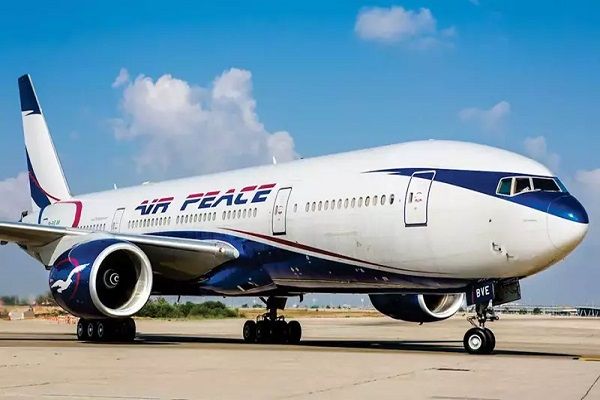
Nigeria’s largest airline, Air Peace, has reduced the frequency of its Abuja–London service to three flights per week, citing ongoing constraints in the supply of Jet A1 aviation fuel.
The airline confirmed the development in a statement released on Saturday, noting that the adjustment is a temporary measure aimed at stabilising operations on one of its flagship international routes.
Under the revised schedule, the reduced frequency will remain in place until July 1, 2026, when normal operations are expected to resume provided fuel availability improves.
According to the airline, the decision reflects mounting pressure on flight operations not just in Nigeria but globally, as aviation fuel shortages continue to disrupt the industry.
“Due to the current Jet A1 supply constraints affecting flight operations nationwide and around the world, our Abuja–London service has been temporarily adjusted,” the airline stated, adding that the move is necessary to maintain service continuity while managing operational risks.
Fuel crisis deepens across the sector
The adjustment comes against the backdrop of a worsening aviation fuel crisis in Nigeria, driven by sharp price increases and supply bottlenecks.
In just a matter of weeks, Jet A1 prices have surged dramatically from about N900 per litre in late February to over N3,000 by April, placing significant strain on airline finances and operations.
Industry operators, under the umbrella of the Airline Operators of Nigeria, have previously warned that the spike is unsustainable, even describing it as disconnected from global crude oil trends.
The rising costs had earlier pushed airlines to consider suspending nationwide operations before the Federal Government stepped in to avert a shutdown. As part of its intervention, the administration of Bola Tinubu approved a 30 per cent reduction in certain statutory charges, including navigational and parking fees, to ease the burden on operators.
Global tensions adding pressure
Beyond local challenges, global factors are also driving the crisis. Ongoing geopolitical tensions in the Middle East particularly around the strategically vital Strait of Hormuz have disrupted energy supply chains and pushed up international fuel benchmarks.
These developments have had a direct impact on aviation fuel pricing, even in Nigeria, where a significant portion of Jet A1 supply is linked to domestic refining.
Industry sources point to the Dangote Refinery as a major supplier, but note that global pricing indices still play a decisive role in determining final costs. As those benchmarks rise, airlines continue to face higher landing and operating expenses.
Implications for passengers
The sustained increase in fuel costs is already reshaping the aviation landscape, with airlines adjusting schedules, reviewing routes, and, in some cases, increasing fares to stay afloat.
For passengers, this could mean fewer flight options, higher ticket prices, and potential disruptions especially on long-haul routes like Abuja–London.
As airlines navigate the combined pressures of local supply issues and global market volatility, the timeline for full recovery remains uncertain. For now, Air Peace’s latest move underscores just how deeply the fuel crisis is cutting into Nigeria’s aviation sector.