Civil society organisations have called on President Yoweri Museveni to take urgent action to protect fishing communities affected by oil developments along Lake Albert.
In a joint statement, Environmental Governance Institute Uganda (EGI) and Climate Rights International (CRI) urged the government to establish community-based fisheries protection units and halt evictions near the Kingfisher oil project.
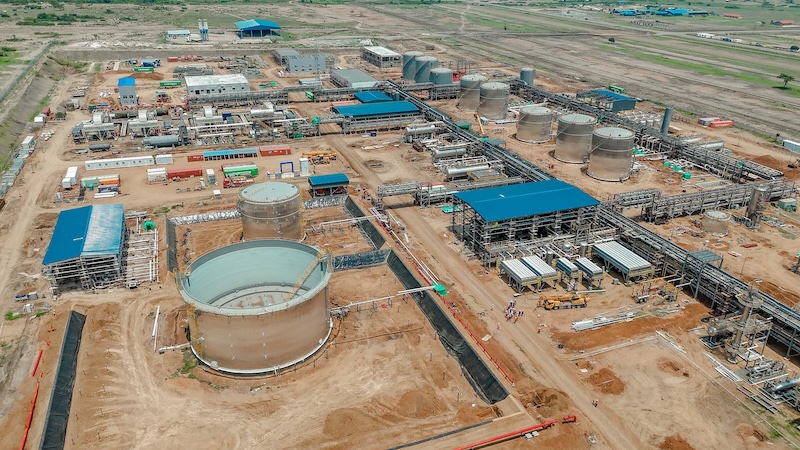
The Kingfisher project is operated by TotalEnergies, China National Offshore Oil Corporation (CNOOC), and the Uganda National Oil Company (UNOC). During his re-election campaign in August 2025, Museveni pledged that indigenous fishing communities would play a central role in managing lakes, with fisheries protection units operating in partnership with communities while respecting their rights.
On December 26, 2025, the President directed the dissolution of existing marine fisheries units and ordered the creation of new structures composed of indigenous community representatives to promote sustainable governance of landing sites. However, EGI and CRI say there has been little progress in implementing these directives.
“Despite the President’s campaign promises, there has been no visible progress in protecting the rights of fishing communities near oil and gas facilities,” said Samuel Okulony.
“The absence of concrete action risks eroding confidence, especially when livelihoods, safety, and access to resources are at stake.”
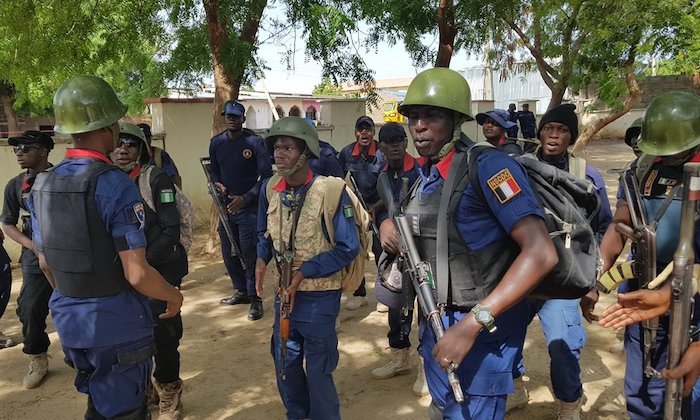
The organisations allege that fishing communities in the Lake Albert region continue to face human rights violations, including the burning of fishing boats, extortion within local value chains, and intimidation by security forces.
These concerns are detailed in a 2025 joint report titled Extortion, Coercion, and Impoverishment in Kingfisher Oil Development, as well as CRI’s report They Don’t Want People to Stay Here, which documents environmental and human rights risks associated with the project.
The Kingfisher development is part of the wider East Africa Crude Oil Pipeline (EACOP). The groups also raised concern over renewed evictions in Kapapi sub-county, where more than 4,000 residents were reportedly displaced despite an earlier presidential directive halting evictions and allowing affected families to return.
They allege that on February 26, families were forcibly evicted again by soldiers under the command of Peter Nabasa, with security personnel now occupying the contested land and using homes left behind by residents.
The evictions have affected several villages, including Waaki North, Kapapi Central, Waaki South, Runga, Kiryatete, and Kiganja, leaving both cultivators and pastoralists uncertain about their future.
EGI and CRI are now calling on the government to fast-track the establishment of inclusive fisheries management units, introduce safeguards to protect land rights, cultural heritage, and environmental integrity, and halt further evictions.
They are also advocating for the creation of a special presidential task force—comprising community representatives and religious leaders—to oversee the return of displaced persons and ensure compensation for losses incurred.
“President Museveni should order the army to allow the thousands of people it evicted to return home immediately and ensure compensation for their losses,” said Brad Adams. “Those responsible should be held accountable under Ugandan law.”