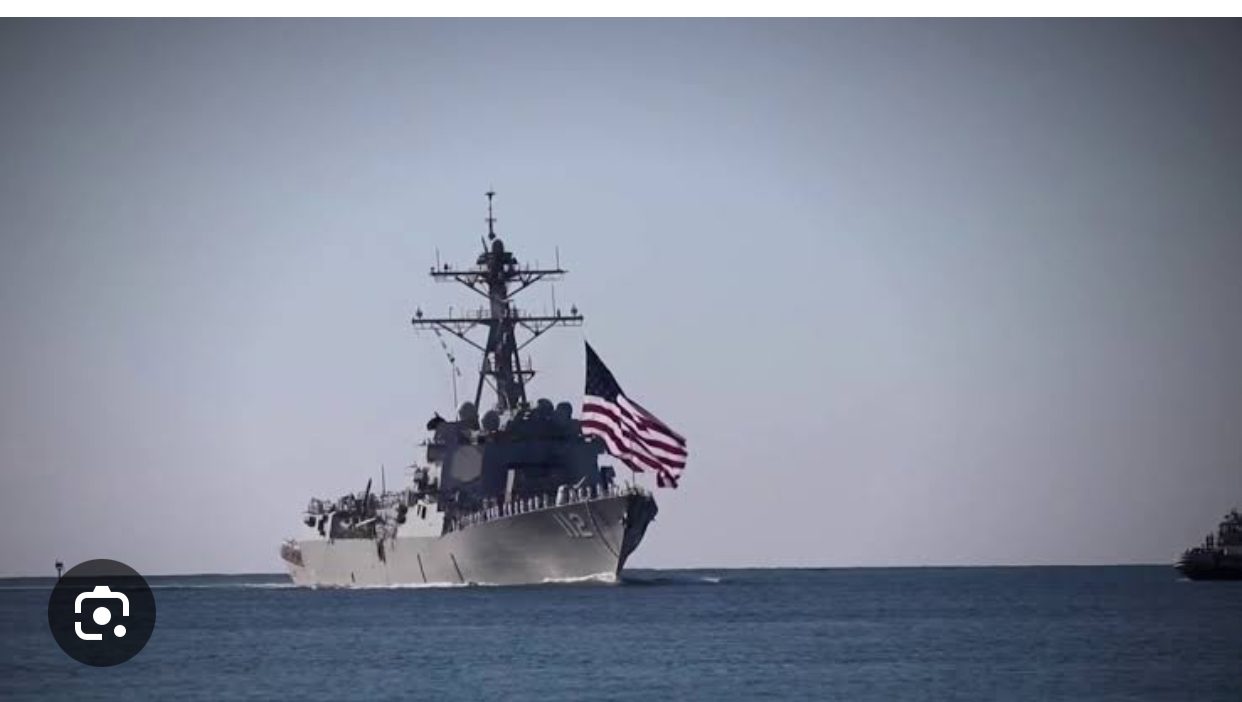
Tensions between the United States and Iran have intensified sharply after President Donald Trump issued a warning that any Iranian fast-moving boats approaching U.S. naval forces will be destroyed under a newly enforced maritime blockade.
Trump escalated the situation further in a social media post, stating that Iran’s naval strength had already been significantly reduced during the ongoing conflict. He added that any remaining small attack vessels approaching US positions would be “immediately eliminated”.
He also asserted that 34 ships had passed through the Strait of Hormuz on Sunday, describing it as the highest level of activity since the war began, although this figure has not been independently verified.
The latest development comes after diplomatic efforts involving U.S. officials, including Vice President JD Vance, failed to produce a breakthrough during negotiations held in Pakistan aimed at ending the conflict that erupted on February 28 following joint U.S.-Israeli strikes on Iran.
International mediators, including Pakistan and Qatar, have continued to urge restraint and are calling for the temporary ceasefire to be maintained while negotiations remain ongoing.
Pakistan’s Prime Minister, Shehbaz Sharif, said discussions were still active and that diplomatic channels had not been closed despite the setback in talks.
Trump also suggested that Iranian representatives had reached out after the collapse of negotiations, indicating possible renewed engagement, though no further details were disclosed.
Iran’s Foreign Minister, Abbas Araghchi, however, blamed the United States for the breakdown in talks, accusing Washington of presenting unreasonable demands during the discussions.
Qatari officials have also appealed for calm, stressing the importance of keeping maritime routes open and warning against the use of sea lanes as instruments of political pressure.
Meanwhile, Iran has tightened restrictions in the Strait of Hormuz, limiting passage to vessels it considers friendly, further heightening concerns over security in one of the world’s most critical shipping corridors.