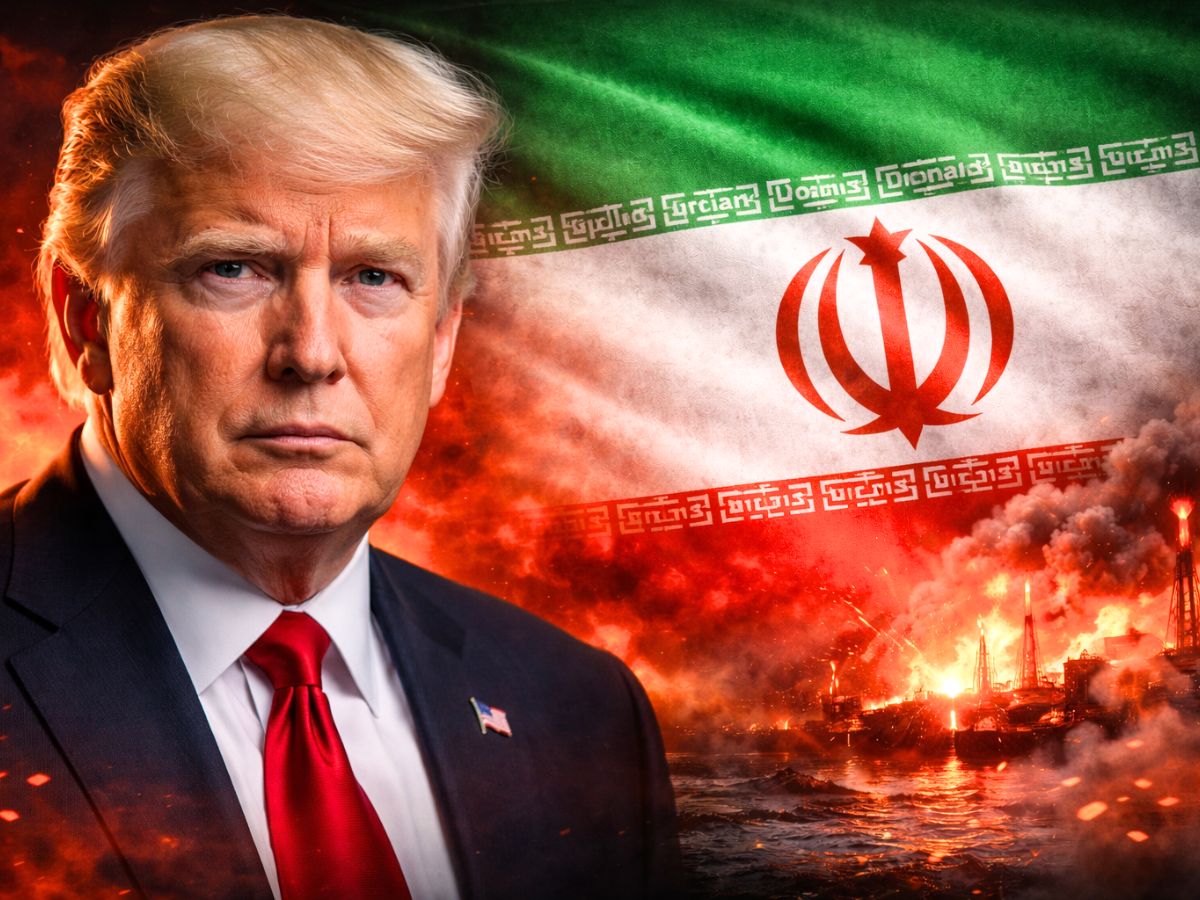
Tensions escalated in the Middle East on Friday as Iran’s Revolutionary Guards issued urgent warnings to civilians to avoid areas near U.S. forces, following renewed claims by U.S. President Donald Trump that negotiations to end the month-long conflict were “going well.”
The warning coincided with Trump’s extension of a deadline demanding that Tehran reopen the Strait of Hormuz or face the destruction of its energy assets, moving the ultimatum from Friday to April 6.
“The Guards have urged civilians to urgently leave locations where American forces are stationed to avoid harm,” Iranian officials said, while also threatening to target hotels housing U.S. soldiers across the region.
Civilians in Iran expressed growing fear and despair amid the ongoing conflict. Ensieh, a 46-year-old dentist in Tehran, told AFP, “We’re caught between three mad powers, and war is terrifying. I know I’ll never be the same person again.”
Local media confirmed fresh overnight strikes on Tehran, the holy city of Qom, and Urmia in the northwest, sometimes masked by the sound of thunderstorms, according to correspondents.
A top Iranian official reported that over 120 museums and cultural sites, including the UNESCO-listed Golestan Palace, have been damaged in the past month of U.S. and Israeli attacks.
Despite Trump’s assertion that Iran is seeking a deal, Tehran has continued reprisal attacks against Israel and Gulf targets. Accusing U.S.-Israeli forces of using “human shields,” Iranian military leaders have indicated no intention of halting operations unless their demands are met.
Markets in the region have been disrupted by attacks on trade and energy infrastructure. Kuwait reported damage to its main commercial port in a drone strike at dawn, while Iran threatened Saudi Arabia’s Red Sea port of Yanbu and the Fujairah oil complex in the UAE if a ground invasion occurs.
Vice President Esmael Saghab Esfahani warned on X that, “Step onto Iranian soil, and $150 becomes the floor for oil. Destruction of Fujairah and Yanbu are just our entry tickets.”
Iran’s Guards also confirmed that the Strait of Hormuz remains closed to vessels heading to enemy ports, reportedly turning back three ships attempting to cross.
The economic impact is being felt globally. Oil prices and stock markets showed mixed reactions to Trump’s extended ultimatum, while the Bank of Spain warned of a “significant slowdown” due to the conflict.
International diplomacy continues behind the scenes. U.S. Secretary of State Marco Rubio, attending G7 talks in France, faced pressure for clarity on American plans.
UK Foreign Minister Yvette Cooper called for a swift resolution and an end to the blockade of Hormuz, which she said was “holding the global economy hostage.” Germany’s top diplomat Johann Wadephul indicated a “direct meeting” between Washington and Tehran was expected soon in Pakistan, acting as an intermediary.
Iran has reportedly responded to a 15-point U.S. proposal and is awaiting a counter-response, having issued its own demands, including war reparations and recognition of its sovereignty over the Strait of Hormuz.