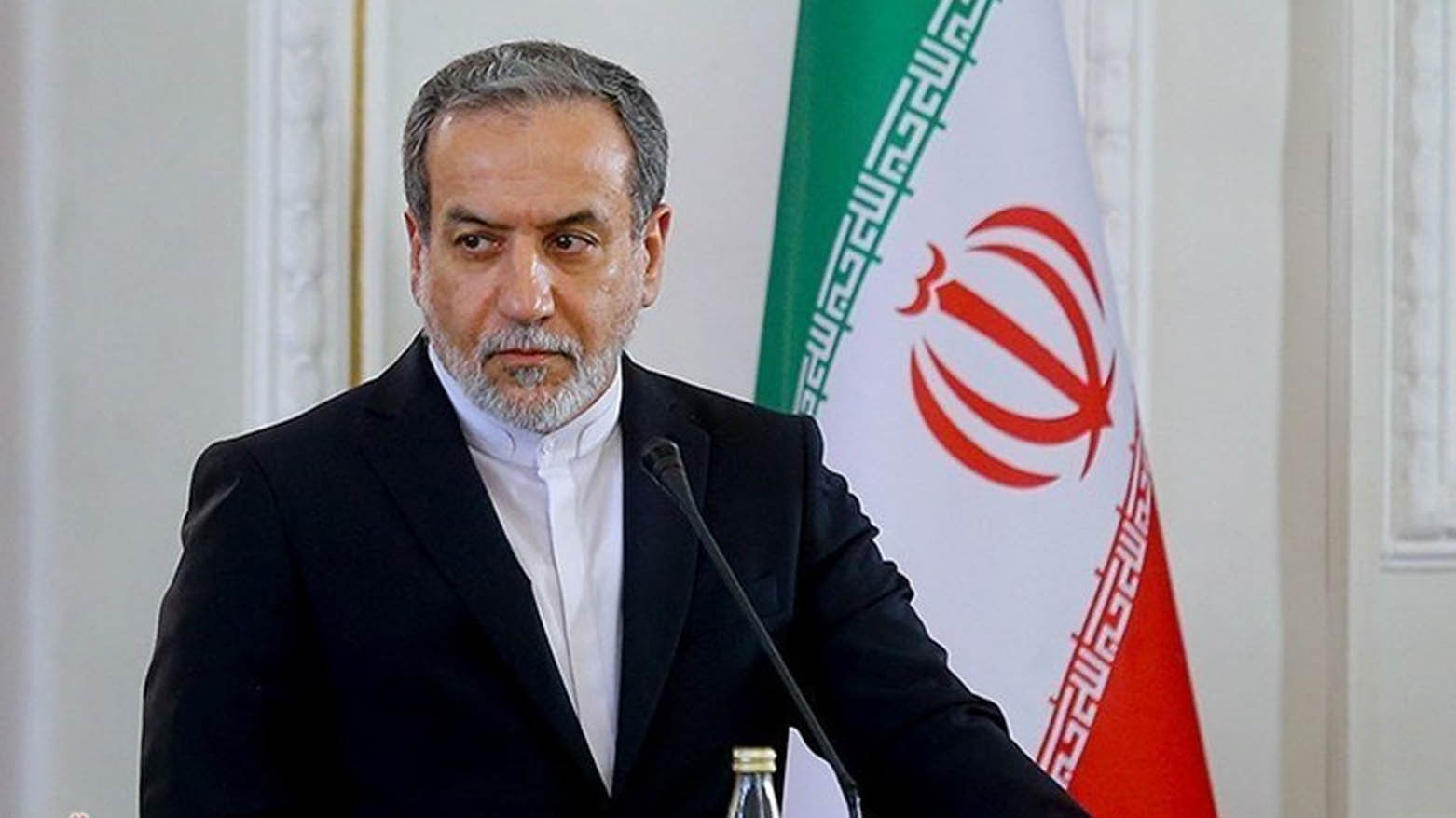
Iran has said it is reviewing a ceasefire proposal from the United States but has not entered negotiations, contradicting President Donald Trump’s assertion that Tehran is eager to strike a deal to end weeks of fighting.
The conflicting positions emerged as the economic and humanitarian impact of the conflict deepened, with fuel shortages spreading globally and governments and businesses struggling to manage the fallout.
Iranian Foreign Minister Abbas Araqchi said communication between both sides had only occurred indirectly through intermediaries.
“Messages being conveyed through our friendly countries and us responding by stating our positions or issuing the necessary warnings is not called negotiation or dialogue,” Araqchi said in a state television interview on Wednesday.
Speaking later at an event in Washington, Trump said Iranian leaders were privately pushing for an agreement.
“They are negotiating, by the way, and they want to make a deal so badly, but they’re afraid to say it because they will be killed by their own people. They’re also afraid they’ll be killed by us.”
Trump did not specify which Iranian officials were involved in the discussions. The conflict, which began after US and Israeli strikes on Iran on February 28, has since escalated across the Middle East, with Tehran launching retaliatory attacks on Israel, US bases and Gulf states.
The crisis has triggered what analysts describe as the worst energy shock in history. The effective closure of the Strait of Hormuz, a key route for around one fifth of global oil and liquefied natural gas supplies, has disrupted supply chains and driven up costs across industries.
Farmers and fishers in several countries are struggling to obtain diesel, while the World Food Programme estimates tens of millions more people could face acute hunger if hostilities persist into June.
Sultan Al Jaber, chief executive of Abu Dhabi’s state oil firm ADNOC, criticised Iran’s actions, describing restrictions on shipping through the strategic waterway as “economic terrorism”.
“When Iran holds Hormuz hostage, every nation pays the ransom, at the gas pump, at the grocery store, at the pharmacy,” Al Jaber said during a speech in the United States. “No country can be allowed to destabilize the global economy in this way. Not now. Not ever.”
According to Israeli cabinet sources familiar with the proposal, a 15 point US plan delivered via Pakistan calls for Iran to reopen the strait, relinquish highly enriched uranium stockpiles, limit its ballistic missile programme and halt funding to regional allies.
The White House has declined to outline details of the proposal publicly. Israeli officials have also expressed scepticism that Tehran would accept the terms, while insisting any agreement must preserve Israel’s option of preemptive military action.
Regional sources said Iran has indicated through intermediaries that Lebanon must be included in any ceasefire arrangement involving the United States and Israel.
Faridah Abdulkadiri