As World Cancer Support Month is observed this August, health experts are drawing attention to prevention, early detection and access to accurate information as Nigeria continues to confront its cervical cancer burden.
At the Naija Cancer Watch Fellowship, organised by Sebeccly Cancer Care to deepen journalists’ understanding of cancer care and control in Nigeria, health and communication experts stressed the need to move cancer conversations beyond awareness to practical information that can help people take action.
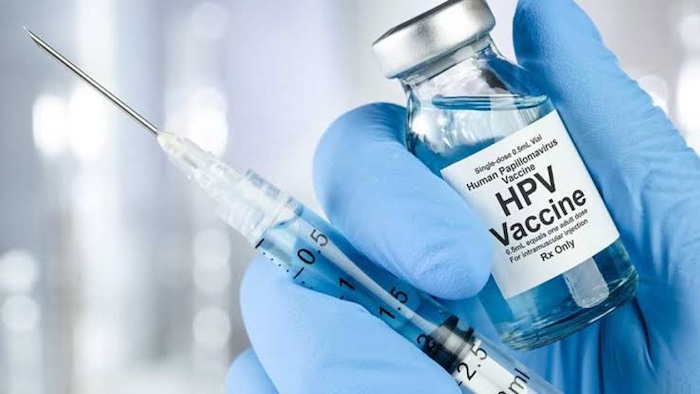
The message is particularly relevant for cervical cancer, which remains one of the leading cancers affecting Nigerian women despite being largely preventable through Human Papillomavirus (HPV) vaccination and regular screening.
Speaking at the fellowship, Suleiman Haruna, Director of Public Relations and Protocol at the Federal Ministry of Information and National Orientation, identified poor public awareness, misinformation, fear and stigma, reliance on unverified remedies and limited understanding of screening opportunities as some of the communication challenges affecting cancer control in Nigeria.
According to the Federal Ministry of Health and Social Welfare, Nigeria records about 13,676 new cases of cervical cancer annually, with most cases diagnosed at advanced stages.
Globally, the World Health Organisation estimates that cervical cancer was the fifth most commonly diagnosed cancer among women in 2024, with about 604,000 new cases and 280,000 deaths. The highest incidence and mortality rates are recorded in low and middle income countries, driven by lack of access to HPV vaccination, screening and treatment services.
Almost all cervical cancer cases are caused by persistent infection with cancer causing types of Human Papillomavirus, or HPV. While most HPV infections clear naturally, persistent infection can cause abnormal cells that may eventually develop into cancer.
WHO says cervical screening from age 30, or 25 for women living with HIV, can detect precancerous changes which, when treated promptly, can prevent progression to cervical cancer. The organisation advises women to seek medical attention for symptoms including unusual bleeding between periods, after menopause or after sexual intercourse, unusual vaginal discharge and persistent pain in the back, legs or pelvis. Early detection followed by prompt and appropriate treatment can cure the disease.
Nigeria introduced the HPV vaccine into its routine immunisation programme in October 2023, initially targeting 7.7 million girls aged 9 to 14 across 16 states and the Federal Capital Territory.
The country’s efforts are aligned with WHO’s global cervical cancer elimination strategy, which targets 90 per cent of girls fully vaccinated against HPV by age 15, 70% of women screened by ages 35 and 45, and 90% of women with precancer or invasive cancer receiving appropriate treatment by 2030.
The Federal Government has also identified expanded HPV vaccination, improved screening and strengthened treatment capacity as key measures towards eliminating cervical cancer as a public health problem.
But beyond expanding access to vaccination and screening, experts say addressing gaps in information remains critical.
Haruna said effective cancer control requires effective communication, with journalists playing an important role in translating complex medical information into information the public can understand and trust. He also noted that sustained and culturally appropriate communication can help normalise routine cancer screening, encourage early medical consultation and reduce stigma associated with a cancer diagnosis.
As World Cancer Support Month continues, the conversation around cervical cancer must therefore go beyond supporting those already affected by the disease. It must also focus on preventing future cases.
With vaccination, screening, early detection and access to accurate information, cervical cancer is one disease where awareness can translate into prevention and potentially save lives.
Adebola Giwa