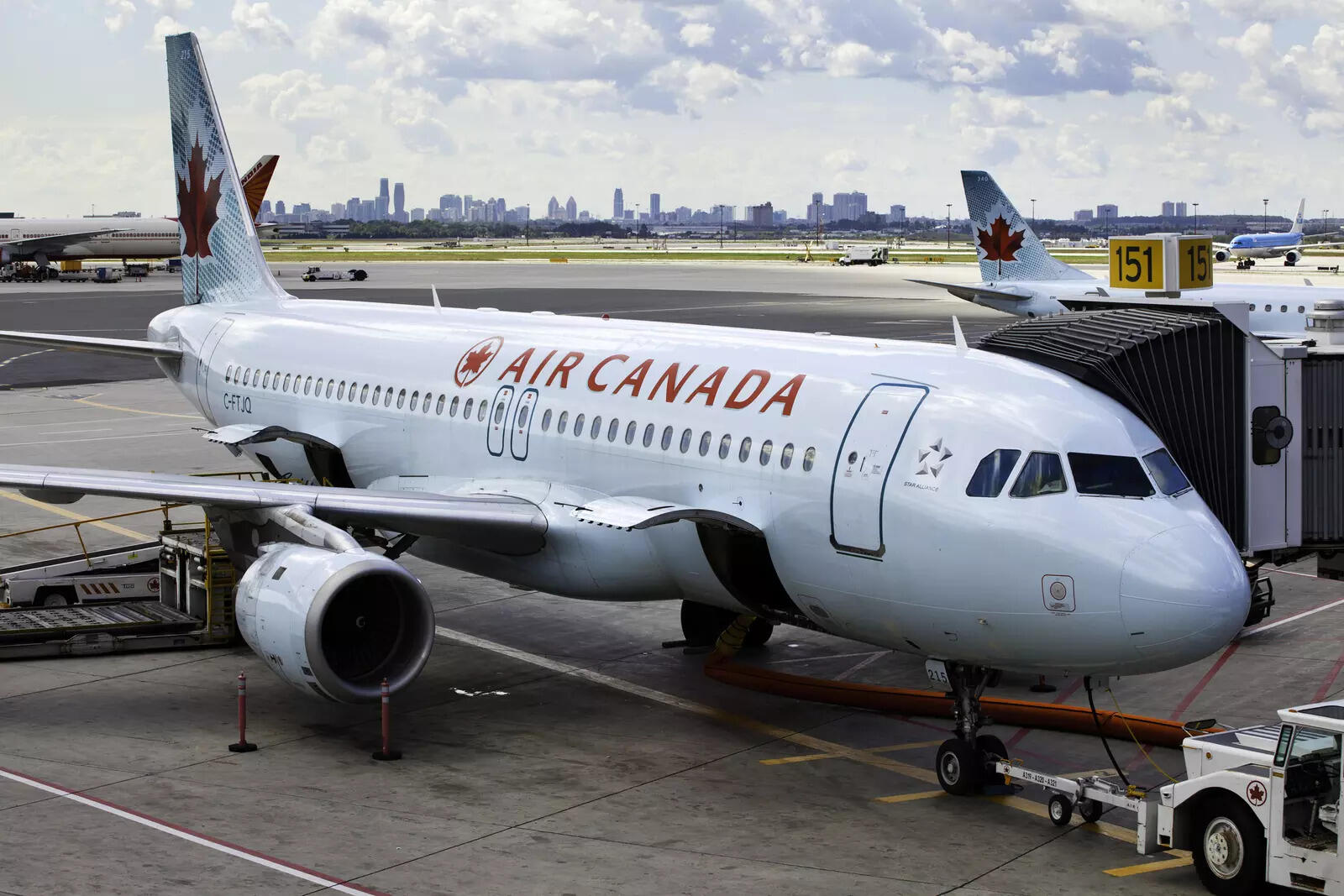
Air Canada has begun the regulatory process to launch scheduled flights to Lagos in 2027 following the expansion of the air transport agreement between Canada and Nigeria.
In a statement on Thursday, the airline welcomed the Canadian government’s announcement of the expanded agreement and said it has started seeking the approvals required to operate commercial flights to Nigeria.
Mary-Jane Lorette, Vice-President of Revenue Management, Partnerships and International Affairs at Air Canada, said the airline is preparing to begin the new service.
“We welcome this expanded Air Transport Agreement and look forward to obtaining the necessary government approvals to begin service to Lagos, Nigeria in the coming year,” Lorette said.
The announcement came hours after Nigeria and Canada signed an expanded air transport agreement that allows direct scheduled air services between both countries.
Under the agreement, both countries can designate multiple airlines to operate scheduled services between Nigeria and Canada.
Canada’s Minister of Transport, Steven MacKinnon, said the agreement would create new opportunities for airlines while giving travellers more options.
“The newly expanded Canada-Nigeria Air Transport Agreement will strengthen our economic ties, support tourism and trade, and making (sic) it easier for people and businesses in both countries to connect,” the transport minister said.
Canada’s Minister of International Trade, Maninder Sidhu, said the agreement would also strengthen commercial and people-to-people ties between both countries.
“I have met many Canadians of Nigerian descent who have long called for greater connectivity between Canada and Nigeria, and I know more flight options will be welcome news,” Sidhu said.
“Nigeria is one of Africa’s largest economies. A direct connection to Lagos brings Canadian exporters closer to that market while also bringing families, communities, and partners closer together.”
Air Canada said flight schedules and aircraft details will be announced later, subject to government approvals and the completion of operational requirements in Nigeria.
Faridah Abdulkadiri