Administration says additional transport hubs will transform public transit, improve security and replace roadside loading points with modern facilities……
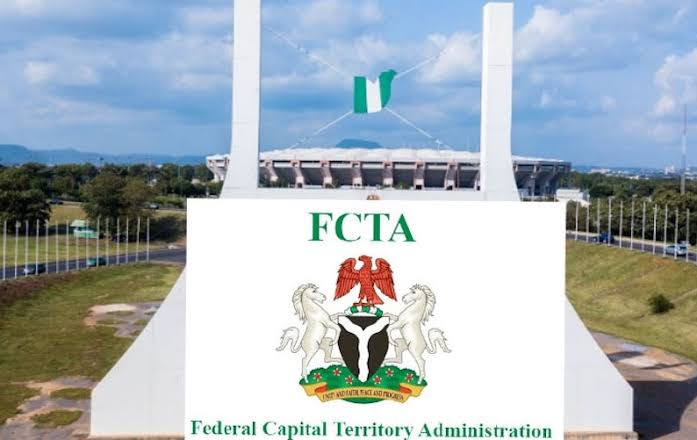
The Federal Capital Territory Administration (FCTA) has announced plans to expand Abuja’s network of modern bus and taxi terminals as part of a wider strategy to phase out illegal motor parks, improve commuter safety and build a more efficient public transportation system.
The Mandate Secretary of the FCTA Transportation Secretariat, Chinedum Elechi, disclosed the plan on Thursday while briefing journalists on the operationalisation of the newly completed bus and taxi terminals in Mabushi and the Central Business District (CBD).
According to Elechi, the current terminals represent only the first phase of the administration’s transport reform agenda, with additional facilities already included in future development plans under the leadership of FCT Minister Nyesom Wike.
He said the long-term goal is to transform Abuja into a modern capital city with a structured transport system comparable to those found in leading cities around the world.
Addressing concerns over the planned closure of informal loading points such as Berger Roundabout and Area 1, Elechi insisted that relocating transport activities to designated terminals is essential for improving security, reducing disorder and ensuring safer travel for passengers.
“The terminals in Mabushi and Kugbo are specifically designed for intercity travel. Whether passengers are heading to Aba, Lokoja, Owerri or Sokoto, they deserve to board their vehicles in a secure, organised and comfortable environment,” he said.
He argued that the continued use of roadside loading points and makeshift parks has contributed to security threats, including the notorious “one chance” robberies that have plagued commuters in the capital.
Elechi explained that while the Mabushi and Kugbo terminals are intended to serve long-distance travellers, the Central Business District terminal has been designed primarily to support intracity transportation within Abuja.
He added that the administration’s expansion blueprint includes the construction of additional terminals in strategic locations to accommodate the city’s growing transport needs.
Drawing comparisons with successful transport reforms elsewhere, Elechi pointed to Lagos as an example of how organised transport infrastructure can replace chaotic roadside operations.
“If Lagos could transform the congestion and disorder associated with Oshodi into modern transport hubs, there is no reason Abuja cannot achieve the same standard,” he said.
The transport secretary also outlined how the new system is expected to operate, explaining that the terminals will function as central transport hubs connected to neighbourhoods through structured last-mile services.
According to him, passengers arriving from other states will be able to continue their journeys safely using designated buses, taxis, e-hailing services or private vehicles operating from approved locations.
“We cannot build a bus terminal in every neighbourhood, just as airports cannot exist everywhere. The terminals are designed to serve as central hubs, while the last-mile transport network ensures commuters reach their final destinations safely and conveniently,” he explained.
Elechi called on transport operators and residents to support the ongoing reforms by embracing the new terminals, describing them as a major step towards building a cleaner, safer and more organised capital city.
He maintained that beyond improving the commuting experience, the initiative is intended to strengthen public safety, eliminate illegal transport operations and create a reliable transit system capable of meeting the needs of Abuja’s growing population.