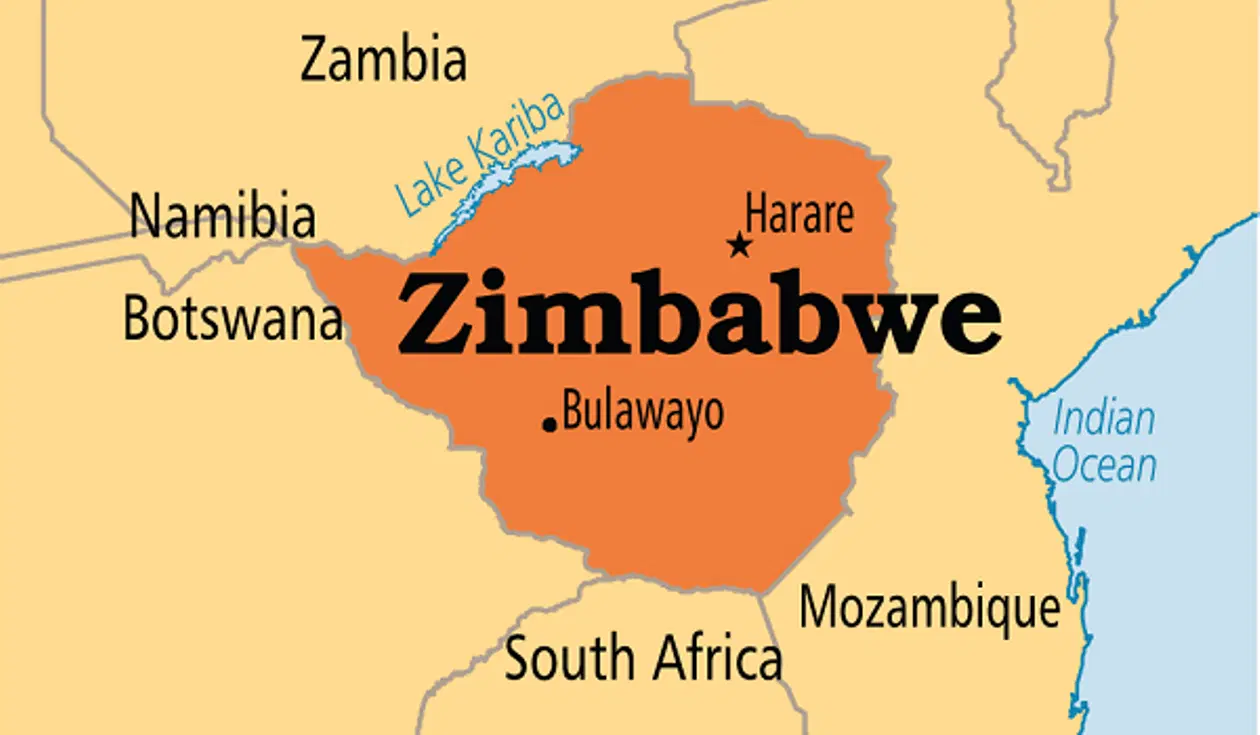
Zimbabwe has announced an immediate suspension of exports of all raw minerals and lithium concentrates, effective until further notice, in a move aimed at strengthening domestic mineral processing and tightening control over resource outflows.
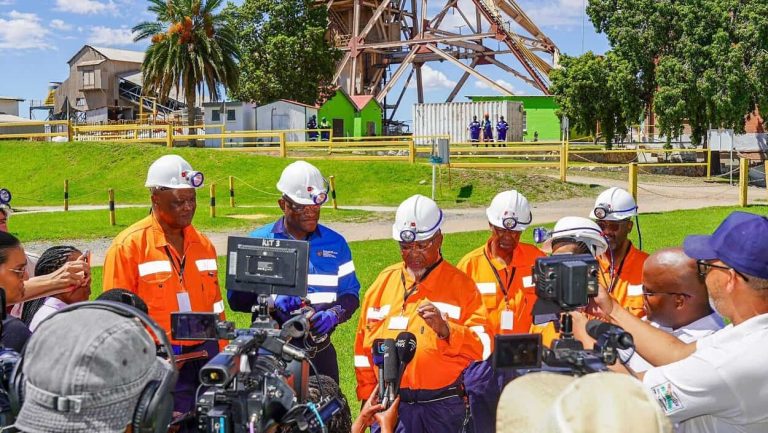
The directive was disclosed on Wednesday by the Minister of Mines and Mining Development, Polite Kambamura, who confirmed that the ban also applies to minerals currently in transit.
The ministry stated that the policy was introduced in the national interest and was intended to promote transparency, encourage local value addition, and improve compliance and accountability in the exportation of the country’s mineral resources.
Originally, the export restriction on lithium concentrates was scheduled to take effect in January 2027, giving mining operators time to establish local processing and refining capacity. However, the government accelerated the implementation of the policy amid concerns over what officials described as persistent irregularities in mineral export operations.
In a letter reviewed by Reuters and addressed to the Zimbabwe Chamber of Mines, the ministry cited “continued malpractices during mineral exportation” as a major reason for revising export procedures.
Officials said the review forms part of broader efforts to curb resource leakages and enhance operational efficiency within the mining regulatory system. The government also indicated plans to engage stakeholders in the mining sector to determine future export arrangements.
The policy decision is particularly significant given that Zimbabwe holds Africa’s largest lithium reserves. The country exported about 1.128 million metric tonnes of spodumene concentrate in the year ending December 2025, representing an 11 percent increase compared to the previous year.
Global demand for strategic minerals has risen sharply due to their use in electronics, renewable energy technologies, and defence equipment, prompting resource-rich nations to impose tighter export controls to secure domestic supply chains.
Mining remains a key contributor to Zimbabwe’s economy, accounting for 14.3 percent of gross domestic product according to data from World Bank, making the sector the country’s second-largest economic driver after manufacturing.
The country has expanded spodumene production in recent years following substantial investment from Chinese mining firms, including Zhejiang Huayou Cobalt, Sinomine Resource Group, Chengxin Lithium Group, and Yahua Group.
Notably, Huayou recently completed a $400 million processing facility designed to convert lithium concentrates into lithium sulphate, a precursor material used in producing battery-grade lithium hydroxide and lithium carbonate.
Sinomine has also announced plans to construct a $500 million lithium sulphate processing plant at its Bikita mining site as part of efforts to expand downstream mineral beneficiation in the country.
About the Author