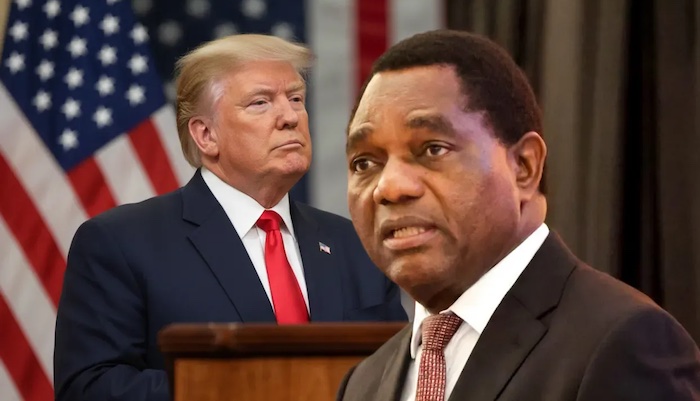
The Zambia has rejected a proposed more than $1 billion funding package from the United States under an initiative associated with the administration of Donald Trump, citing conditions in the agreement that officials say do not align with Zambia’s national interests.
The decision makes Zambia the latest African nation to decline the controversial health funding proposal, following neighbouring Zimbabwe, which earlier turned down a similar offer.
A spokesperson for Zambia’s Ministry of Health said the country rejected the package because certain provisions in the draft agreement were inconsistent with Zambia’s policy priorities.
The proposed funding was intended to support disease control programmes across African countries but reportedly contained clauses critics described as potentially granting Washington greater access to mineral resources and sensitive health data of participating populations.
Analysts have argued that the deal’s structure may involve conditions linked to access to strategic resources and citizen health information, although Zambian officials clarified that the rejection was not specifically driven by mineral resource considerations.
Citing reports from Reuters, the agreement would have seen the United States provide over $1 billion in funding, while Zambia was expected to contribute about $340 million over a five-year period.
The signing of the agreement, initially scheduled for November last year, was delayed due to concerns over certain contentious clauses before Zambia ultimately withdrew pending revisions.
In December, the United States reaffirmed its commitment to offering substantial grant assistance to Zambia, linking the support to cooperation in the mining sector.
Zambia is Africa’s second-largest copper producer after Democratic Republic of Congo and also holds significant reserves of cobalt, nickel, manganese, graphite, lithium, and rare earth minerals.
Observers say the policy reflects the “America First” transactional foreign policy approach associated with the Trump administration, which has emphasised that US foreign assistance should be viewed as strategic investment rather than charitable aid.
The controversy has drawn wider attention across Africa, where several countries have taken differing positions on the initiative. While at least 16 African nations reportedly signed the agreement—including Nigeria, Uganda, and Kenya—implementation in Kenya has reportedly been suspended due to ongoing legal challenges.
The development has sparked debate among African policy analysts, with some praising governments that declined the deal while others urge African states to prioritise domestic development strategies and reduce dependence on external funding given the continent’s abundant natural resources.
About the Author