You might be forgiven for already thinking of how you could maximise your annual leave come 2026. Especially if you are one of those unfortunate souls who are still slaving away behind their desks while the rest of the nation soak up the Dezemba vibes… Or need a holiday after your holiday.
Some leave dates offer a larger return than others, pairing with public holidays and weekends — especially around Easter and the December holidays — to stretch a few out-of-office days into a decent break.
It’s called holiday-maxing, and it’s a clever strategy for overworked employees in need of an escape plan.
Less to max public holidays in 2026
South Africans will only get 10 instead of 12 days off work from public holidays in 2026 due to the way the Public Holidays Act handles public holidays that fall on weekends.
Next year, Human Rights Day and Day of Goodwill fall on Saturdays, which effectively wipes out these two extra days off.
Stretch your annual leave: The lowdown on the public holiday hack
Let’s break down the public holiday hack challenge. With some clever planning, it is possible to stretch one’s 15-day annual leave, so it could miraculously turn into about 44 blissful days off or nine long weekends.
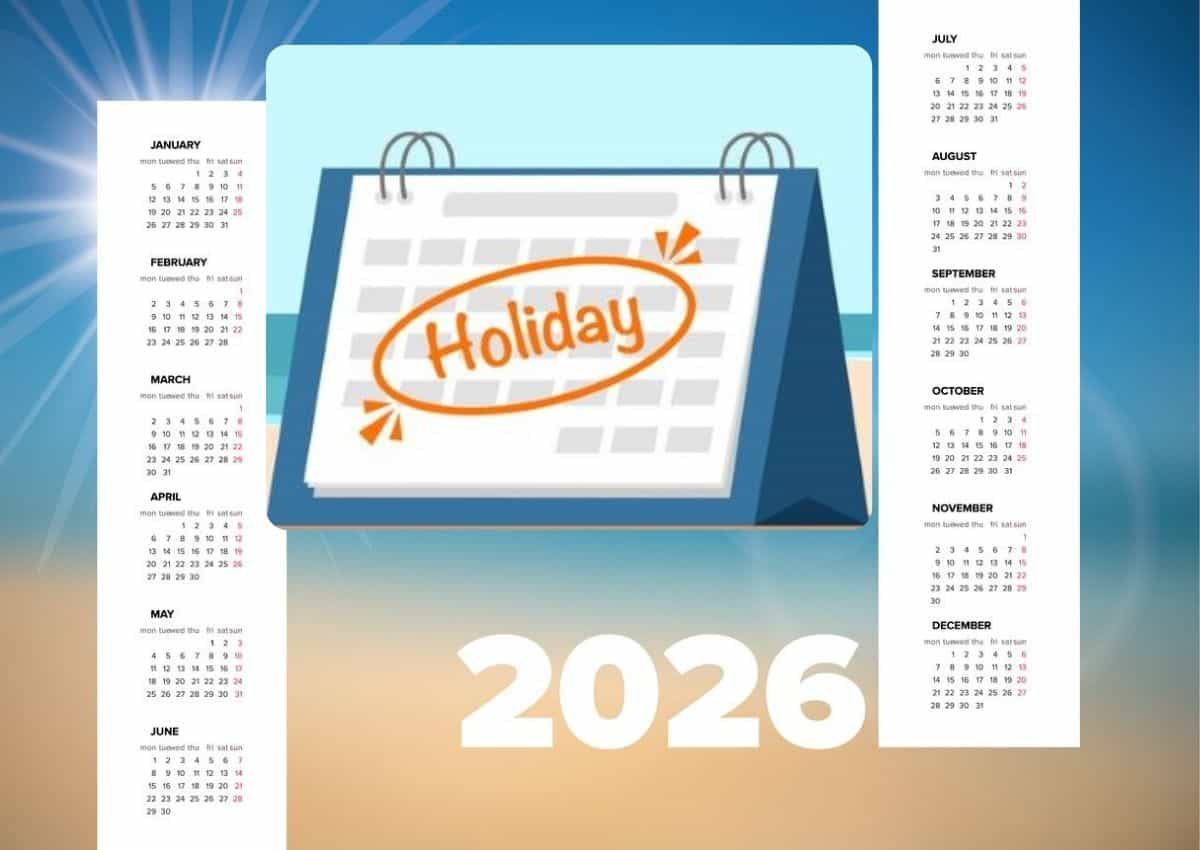
The trick is to take your time off in strategic batches. Take a look at the 2026 public holiday calendar:
- Thursday, 1 January – New Year’s Day
- Saturday, 21 March – Human Rights Day (Forfeited because it falls on a Saturday.)
- Friday, 3 April – Good Friday
- Monday, 6 April – Easter Monday (Family Day)
- Monday, 27 April – Freedom Day
- Friday, 1 May – Workers’ Day
- Tuesday, 16 June – Youth Day
- Sunday, 9 August – National Women’s Day (Observed on Monday.)
- Thursday, 24 September – Heritage Day
- Wednesday, 16 December – Day of Reconciliation
- Friday, 25 December – Christmas Day
- Saturday, 26 December – Day of Goodwill (Forfeited because it falls on a Saturday.)
Maximise your annual leave: Dates to book for some extra time off
Take a look at the following detailed breakdown of all the opportunities presented by the 2026 public holiday calendar to turn public holidays into “extended leave”.

January
- Take one day off (2 January), get four days off (1-4 January), i.e. one long weekend
April
- Take three days off (28-30 April), get nine days off (24 April-3 May), i.e. two long weekends
May
- Take one day off (4 May) to get four days off (1-4 May), i.e. one long weekend.
June
- Take one day off (15 June) to get four days off (13-16 June), i.e. one long weekend
August
- Take one day off (7 August) to get four days off (7-10 August), i.e. one long weekend.
September
- Take one day off (25 September) to get four days off (24-27 September), i.e. one long weekend.
December
- Take two days off (17-18 December) to get five days off (16-20 December), i.e. one long weekend.
- Take one day off (28 December) to get four days off (25-28 December), i.e. one long weekend.
Why is it important to take annual leave?
If you’ve been saving your annual leave, it’s important to remember that taking regular, consistent breaks throughout the year helps manage your overall stress levels. Failing to do so can lead to burnout.
The World Health Organization recognises burnout as an “occupational phenomenon”. Burnout syndrome, it states, is the result of chronic workplace stress unsuccessfully managed. Symptoms include:
- Feelings of energy depletion or exhaustion;
- Mental distance from work;
- More negative feelings or cynicism regarding one’s job; and
- Decreased professional efficacy.
NOW READ: Public holiday pay: Are employees being cheated by the law?
About the Author