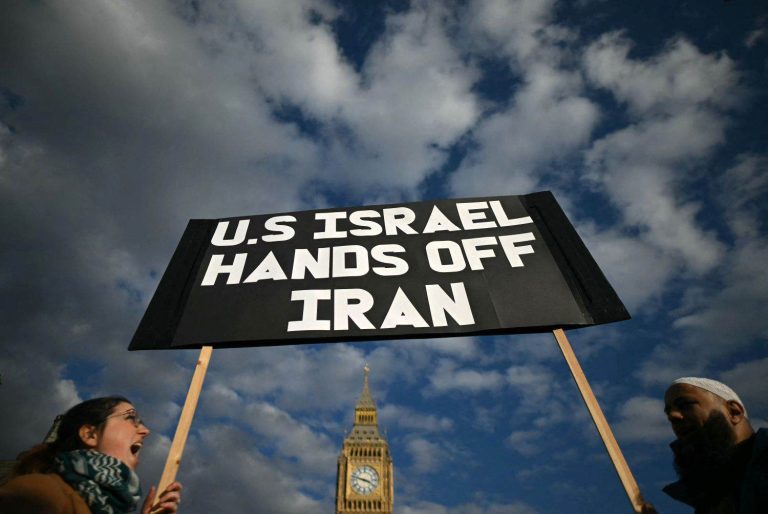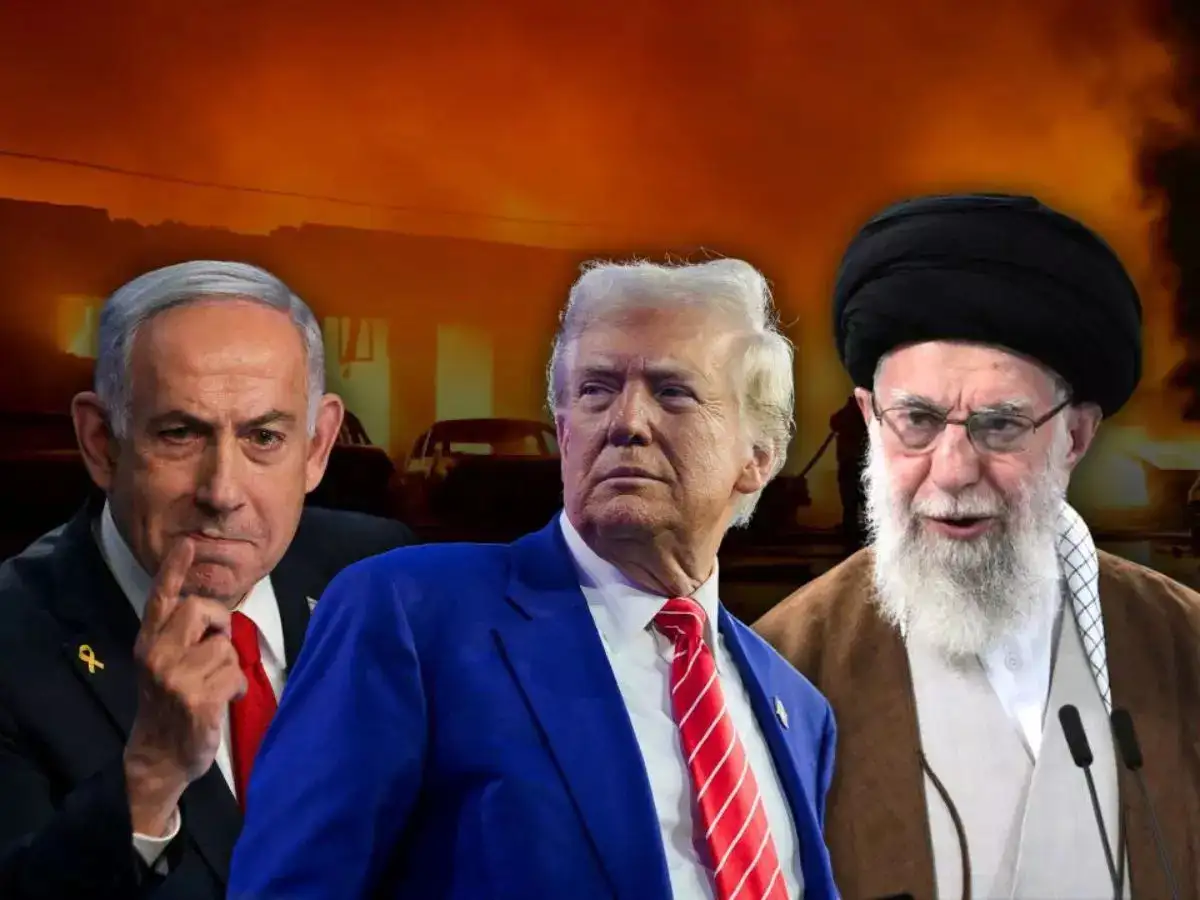
Governments across the world have expressed alarm following the United States and Israel’s military strikes on Iran, warning that the escalation could ignite a broader regional conflict.
In Russia, senior officials urged citizens to leave Iran and warned that diplomatic efforts may have been used as a “cover” for military action. Former Russian president Dmitry Medvedev said negotiations with the United States had been merely a distraction.
“The peacekeeper is at it again,” Medvedev wrote on social media platform X. “The talks with Iran were just a cover. Everyone knew that.”
Gulf States Monitor Security
In Qatar, which hosts a major US military facility, authorities initially said the country was secure but continued to closely monitor developments after the strikes on neighbouring Iran.
Officials later reported that Qatari air defence systems intercepted an Iranian missile and repelled multiple attacks.
European Union Calls Situation ‘Perilous’
The European Union warned that the region was entering a dangerous phase and stressed the need to protect civilians in any further hostilities.
EU Commission President Ursula von der Leyen urged all parties to exercise restraint and highlighted the importance of ensuring nuclear safety after indications that Iranian nuclear sites could be targeted.
The EU’s foreign policy chief Kaja Kallas also described the situation as highly dangerous, announcing the withdrawal of non-essential European personnel from the region.
United Kingdom Urges Citizens to Seek Shelter
The United Kingdom warned that the strikes could expand into a wider Middle East war and advised its citizens in Bahrain, Kuwait, Qatar, and United Arab Emirates to remain in safe shelters.
A government spokesperson said London’s immediate priority was the safety of British nationals and personnel in the region.
Iranian Opposition Figure Speaks
Exiled critic of Tehran Reza Pahlavi expressed optimism about the future of Iran following the strikes, stating that “final victory” was near and calling for national rebuilding efforts.
Regional Military Responses
In Jordan, the air force worked to protect national airspace during the operation. Military officials later confirmed that two ballistic missiles targeting Jordanian territory were intercepted by air defence systems.
Other International Reactions
Ukraine attributed the escalation to what it described as the Iranian government’s domestic and foreign policies, arguing that violence and repression had provoked the current confrontation.
Meanwhile, France emphasised the safety of its citizens and troops stationed in the Middle East, particularly in countries such as Qatar, the UAE, and Jordan.
The African Union called for restraint and urgent de-escalation, warning that further conflict could destabilise global energy markets, food security, and economic stability, especially across Africa.
The statement was delivered by the AU’s chair, Mahamoud Ali Youssouf.
About the Author