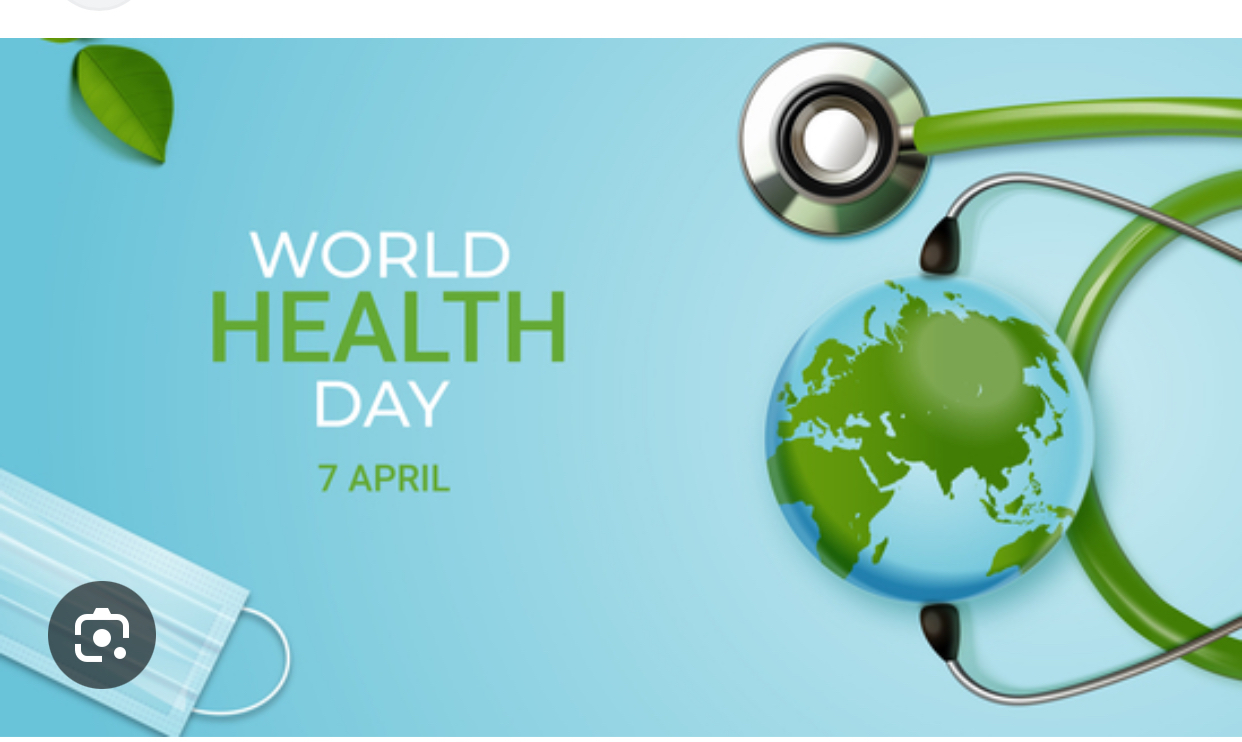
As the world marks World Health Day 2026, the World Health Organization (WHO) has emphasised the need for science-led healthcare reforms, calling on governments and stakeholders to strengthen their commitment to science-driven health policies and stronger global health systems.
The day also coincides with the anniversary of the founding of the WHO on April 7, 1948.
In a message marking the occasion, WHO Director-General Tedros Adhanom Ghebreyesus said science remains one of humanity’s most powerful tools for improving health outcomes, noting that breakthroughs such as vaccines, penicillin, MRI technology, and the mapping of the human genome have saved countless lives.
He stressed that despite major progress in global health, systems remain under pressure from climate change, environmental degradation, geopolitical tensions, and emerging diseases.
According to WHO, global maternal mortality has declined by over 40 per cent since 2000, while deaths among children under five have reduced by more than 50 per cent. However, the organisation warned that deep inequalities and strained health systems continue to expose millions to preventable risks.
The agency noted that advances in science, technology, and cross-sector collaboration have transformed once-deadly conditions such as hypertension, cancer, and HIV into manageable illnesses, improving life expectancy worldwide.
WHO, however, cautioned that new and persistent health threats continue to emerge, driven by environmental challenges, conflict, and demographic shifts.
It said scientists and global health partners are working to accelerate research, develop innovative tools, and strengthen policy responses to protect communities and prepare for future health crises.
The WHO Chief Scientist, Dr. Sylvie Briand, said science plays a critical role in transforming uncertainty into effective medical solutions, warning that lack of evidence-based guidance could lead to harmful or ineffective treatments.
To commemorate the day, WHO and the G7 Presidency of France are hosting a One Health Summit in Lyon, bringing together world leaders, scientists, and health experts, followed by the Global Forum of WHO Collaborating Centres, which includes more than 800 institutions across over 80 countries.
WHO reiterated its call for universal access to healthcare, stronger health systems, and sustained international cooperation anchored on science-led decision-making to address both current and emerging global health challenges.