The United States Department of Justice (DOJ) has released FBI documents summarising interviews with a woman who made unsubstantiated allegations of sexual assault against former US President Donald Trump, as part of a broader disclosure of files related to convicted sex offender Jeffrey Epstein.
The release comes after reports that the documents were missing from the DOJ’s public database, prompting Democrats to accuse officials of attempting to cover up the material. The department later said the files had been mistakenly withheld during its review process because they were “incorrectly coded as duplicative.”
The newly published memos describe a series of FBI interviews conducted in 2019 with the unnamed woman, who made uncorroborated claims involving both Trump and Epstein. Trump has consistently denied any wrongdoing connected to Epstein, who died in 2019 while awaiting trial on sex-trafficking charges.
According to one of the three memos, the woman told FBI agents during an interview that Epstein introduced her to Trump in the 1980s when she was a teenager. She alleged that both men sexually assaulted her when she was between the ages of 13 and 15.
The documents state that FBI agents had no further contact with the woman after the interviews.
It remains unclear whether Trump and Epstein were acquainted during the period in which the woman alleges the incidents took place.
Responding to the newly published claims, the White House dismissed them as unfounded.
White House Press Secretary Karoline Leavitt said the allegations were “completely baseless” and “backed by zero credible evidence.”
“As we have said countless times, President Trump has been totally exonerated by the release of the Epstein Files,” she said.
Leavitt added that the Justice Department during the administration of Joe Biden had not filed charges against Trump based on the accusations.
“They knew President Trump did absolutely nothing wrong,” she said.
Trump’s name appears thousands of times in the wider batch of documents released by the justice department, including in emails and correspondence sent by Epstein to other individuals.
However, Trump has not been accused of any crimes by Epstein survivors who have publicly come forward.
Alongside summaries of FBI witness interviews, including those with the unnamed woman in 2019, the broader release of Epstein-related files also contains a list of allegations submitted to the FBI’s national Threat Operation Center tip line.
The list includes numerous accusations of sexual abuse involving Trump, Epstein and other prominent figures. Many appear to be based on unverified tips, and supporting evidence is often absent.
Following an earlier release of Epstein files in January, the Justice Department warned that some submissions contained false claims.
“Some of the documents contain untrue and sensationalist claims against President Trump that were submitted to the FBI right before the 2020 election,” the department said at the time.
“To be clear, the claims are unfounded and false, and if they have a shred of credibility, they certainly would have been weaponized against President Trump already.”
The three newly released interview summaries were published after US media outlets reported they had been mistakenly omitted from the initial document dump.
NPR reported that indexes and serial numbers within the files suggested the FBI had conducted four interviews with the woman in 2019 during its investigation into Epstein associate Ghislaine Maxwell, who was sentenced to prison in 2022 for sex trafficking.
However, three interview summaries and related notes — amounting to more than 50 pages — were not initially available on the Justice Department’s website, according to reporting by NPR and The New York Times.
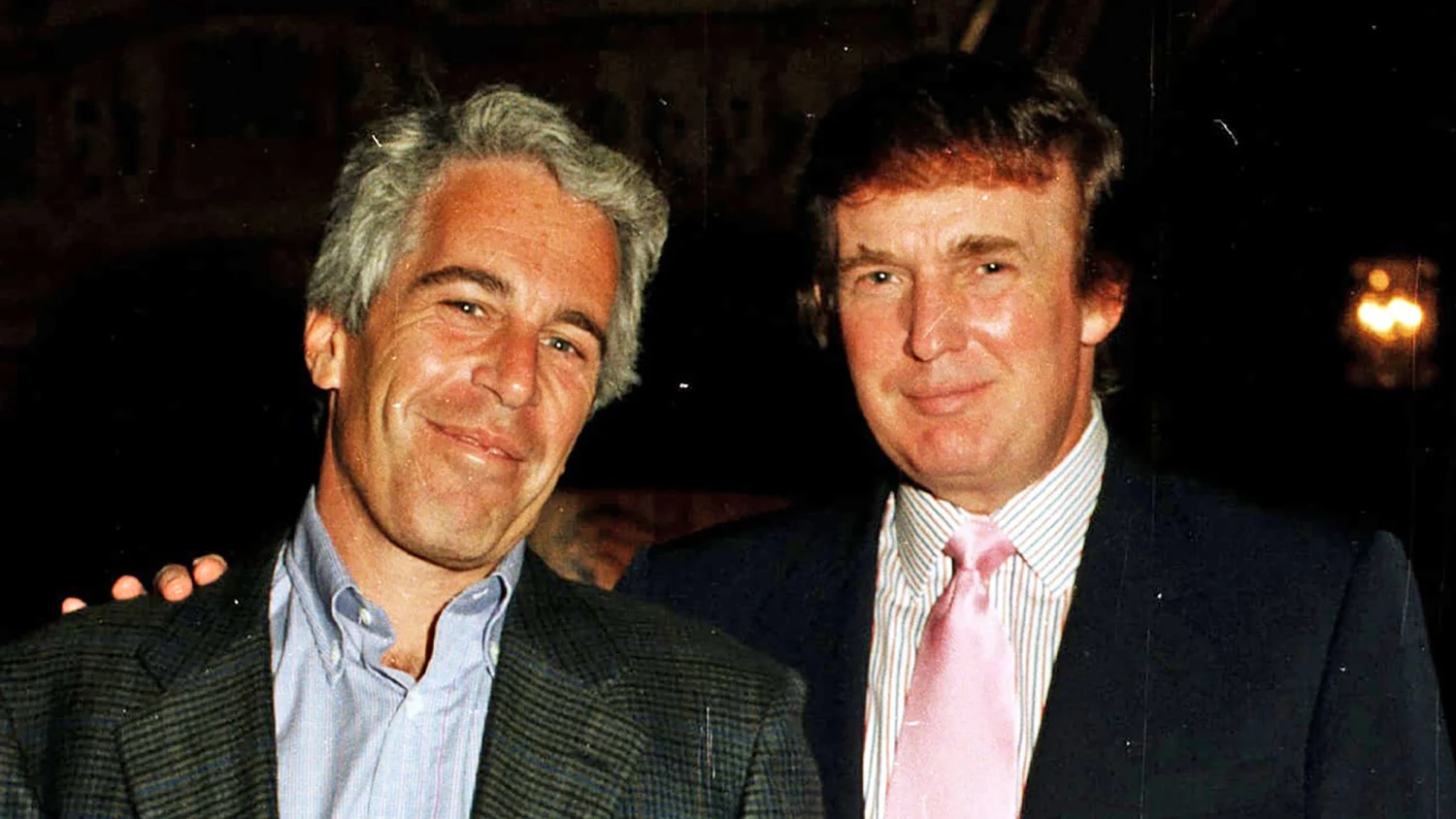
Epstein and Trump were known to have socialised for several years before falling out in the early 2000s. Trump has previously said their relationship ended roughly two years before Epstein was first arrested.
The handling of the Epstein files has also drawn scrutiny on Capitol Hill. Earlier this week, a House committee voted to subpoena Attorney General Pam Bondi to testify about the Justice Department’s management of the records.
Republicans on the House Oversight Committee joined Democrats in supporting the subpoena.
Last November, Congress passed legislation requiring the Justice Department to release all materials connected to its investigations into Epstein. Since then, millions of documents have been made public.
Boluwatife Enome
About the Author