South Africa has not entered into any discussions with the United Kingdom (UK) or the Netherlands on reparations for their role during colonialism.
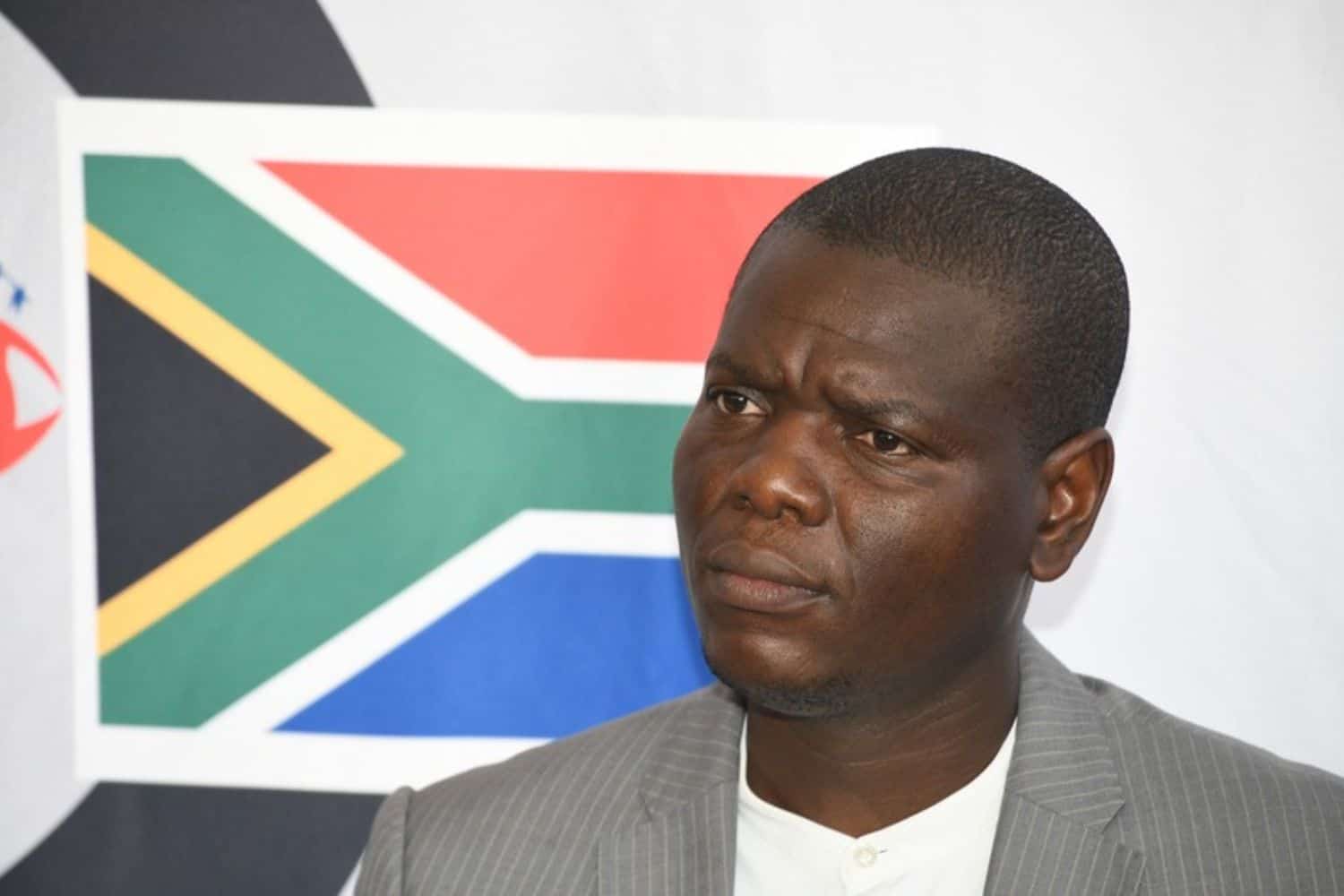
This was confirmed by Minister of International Relations and Cooperation Ronald Lamola in response to a parliamentary question.
uMkhonto weSizwe (MK) party MP Zwelakhe Mthethwa, who asked when the two European nations would compensate South Africa for the damage caused during colonial rule, including the “killing of indigenous leaders, destruction of heritage and the plundering of mineral resources”.
AU pushes for reparations
The question comes as momentum builds across the continent after the African Union’s (AU) declaration of a “decade for reparations”.
At an AU assembly session in Ethiopia in February 2026, African leaders adopted a landmark resolution recognising slavery and colonialism as “crimes against humanity”, strengthening calls for historical justice and reparations.
ALSO READ: South Africa elected to Peace and Security Council of African Union
The resolution on the transatlantic slave trade was later presented to the United Nations (UN) and adopted by the General Assembly in late March.
Led by Ghana, the resolution received 123 votes in favour, while Argentina, Israel and the United States (US) voted against.
A total of 52 countries – including the UK and the Netherlands – abstained.
No reparations talks between South Africa, UK and Netherlands
Responding to Mthethwa, Lamola said the South African government aligns itself with the AU’s position and supports collective efforts to pursue reparations.
He stressed that the 54-member African group’s resolution represents a shared continental commitment to confronting the long-term consequences of historical injustices.
However, Lamola made it clear that there are currently no agreements or timelines in place with the UK or the Netherlands on compensation.
“At present, there are no agreed dates by which either the British or Dutch authorities will make reparations payments to South Africa.
“Neither government has entered into formal bilateral negotiations with South Africa establishing timelines, modalities or frameworks for reparations related to colonial-era damages,” the minister said in his parliamentary reply.
READ MORE: Dirco wants greater push for reparations from former colonial nations
He added: “South Africa advances the reparations agenda through multilateral and collective African processes, including support for the African Union common position and engagement within the United Nations system.
“Government policy emphasises acknowledgement of historical injustices, restorative justice, and equitable international partnerships, pursued in a manner consistent with constitutional values, international law and multilateral cooperation.”
Lamola indicated that lawmakers would be notified should any negotiations begin.
“Should formal negotiations on reparations with former colonial powers commence, including the establishment of timelines or compensation mechanisms, Parliament will be informed accordingly.”
Historical context
The Netherlands and Britain both ruled parts of South Africa at different stages of its colonial past.
Dutch control of the Cape Colony began in 1652 under the Dutch East India Company and lasted until 1795, with a brief return between 1803 and 1806.
Britain first occupied the Cape from 1795 to 1803 before taking permanent control from 1806 until the formation of the Union of South Africa in 1910.
NOW READ: US ambassador apologises for ‘undiplomatic’ remarks about SA