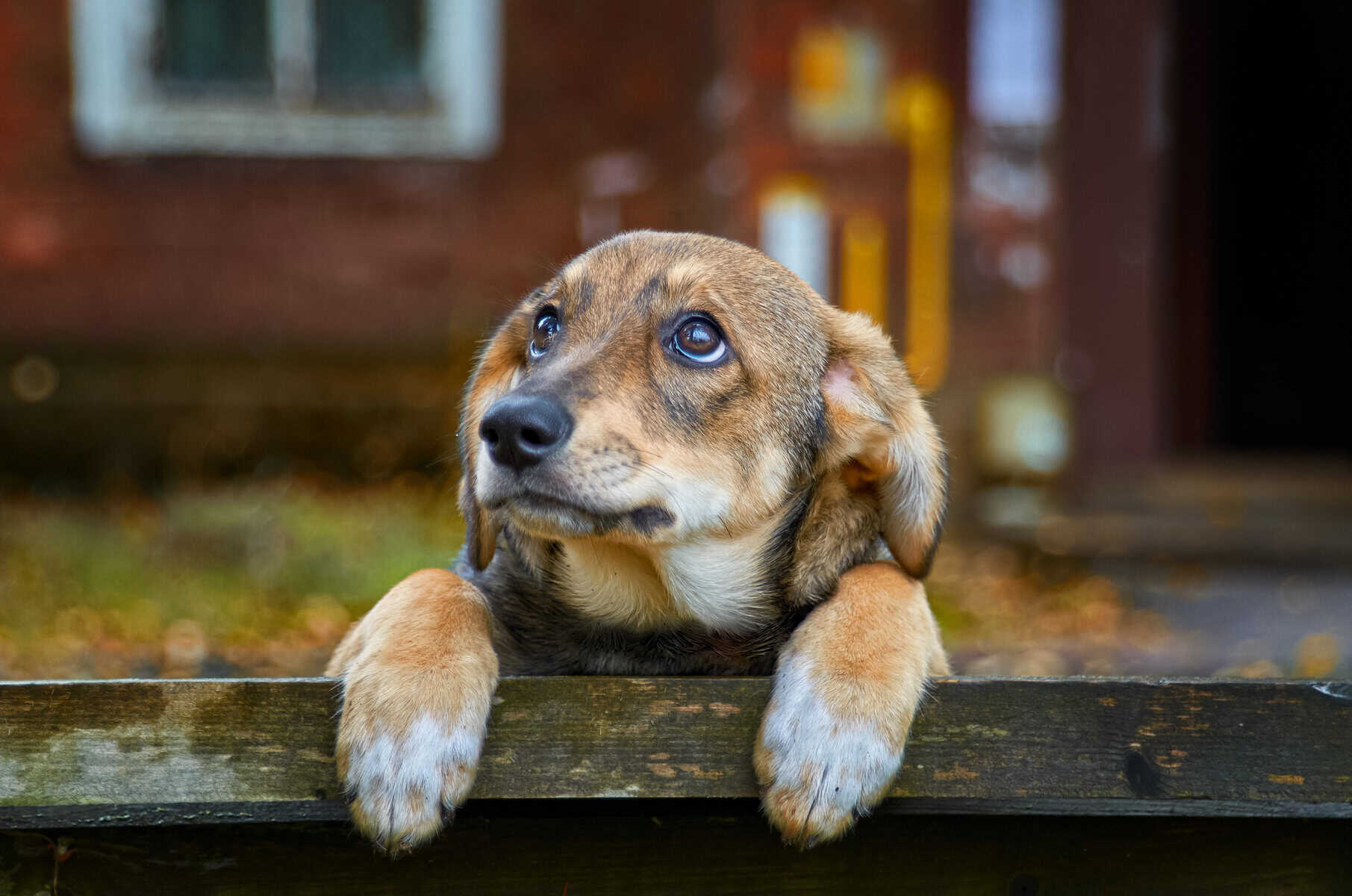
A homeless brown puppy with sad eyes is worth autumn on bench on the street
Fireworks are, without a doubt, one of the most frightening parts of the festive season for animals. With their heightened senses, explosions feel overwhelming. Anxiety, frustration, mental and physical health are at risk for pets during a night of extreme loudness.
Pet sitter and animal lover Larissa Soutter-Mckenzie said that for a pet, hearing fireworks is akin to a feeling like standing in a small metal room while thousands of objects crash into the walls at once. She said pets that feel settled in their environment cope better. When they already feel anxious, the reaction is far more severe.
Prepare and act normally
Prepare early and act normal for the night ahead, she said. “As long as you are normal, your pet will behave normally.”
Fussing over them teaches them to panic. Bring pets inside well before fireworks begin. Close the curtains, leave the lights on and play music or the television at a comfortable volume. Avoid silent rooms because silence makes the fireworks louder.
Distraction works wonders. Soutter-Mckenzie has played fetch with nervous dogs during fireworks and said they often do not realise what is happening outside. Cooking shows and wildlife programmes have also successfully helped distract pets.
Also Read: Getting ready for Grade 1: What every parent should know
Creating a safe space comes with its own prerequisites. “Bathrooms are not ideal because they echo and are filled with hazards such as glass and chemicals,” she said.
“A safe space should not include anything that an animal can injure itself on. I have even seen a large dog try to jump through a window in panic; owners must think ahead about possible escape points.”
A safe, safe room
CBD products have become increasingly common over the festive season, but she said testing them beforehand is important.
“Start with half a dose and even less for very small dogs. You can always increase if needed. Accidental overdosing is far more complicated to handle,” she said and added that cats rarely receive sedatives because of choking risks linked to their anatomy.
Dogs may receive mild medication only in severe cases and under veterinary supervision.
Animal shelters often see an increase in abandoned pets during the holidays. We all know this. Some are surrendered as unwanted gifts, while others are simply left behind with little food or care, while families party on the beach. Others try to escape, some do, during New Year’s Eve festivities.
“Many cases come down to poor planning and the assumption that someone will check in or look out for your pet if you are not around,” Soutter-Mckenzie said and added that if proper care cannot be arranged, travel plans should be reconsidered or festivities, for that matter.
“Pets are not seasonal accessories,” Larissa said. “If you cannot arrange responsible care, rethink the holiday.”
Now Read: Chess is The Smartest Move You Can Teach Your Child
About the Author