When the Equalization Fund was established with the promulgation of the 2010 Constitution to improve service delivery and equity, it provided a ray of hope for the residents of counties falling under marginalised zones.
The fund created under Article 204 of the Constitution aims to bridge the gap by improving access to basic services in marginalised areas, such as water, roads, health facilities and electricity; to levels enjoyed by other parts of the country.
It has also emerged that since inception, the fund has not received Sh62.7 billion from the National Treasury for onward transmission to counties.
Counties benefitting from the kitty include Samburu, Turkana, Mandera, Baringo, West Pokot, Wajir and Garissa, which had been neglected over the years in development by the national government.
However, the Equalization Fund is faced with a possible disbandment with Members of Parliament saying little has been achieved through the kitty and calling for its scrapping five years ahead of time.
Under the Constitution, the fund was to run for 30 years from 2010 to 2030. Parliament has the powers to extend the timelines, but a section of the MPs has demanded it be shelved altogether.
Repeated delays by the National Treasury in releasing funds earmarked for the Fund, underfunding, misuse, corruption and poor project planning and management among others have been identified as challenges facing the fund.
While the Fund’s goals are enshrined in law, actual implementation has lagged: only a fraction of the money allocated the kitty has historically been disbursed as per the law.
According to the law, 0.5 percent of all national government revenue goes into the Equalisation Fund every year. However, recent audits of the fund show delayed disbursements as well as misuse of money allocated for development projects.
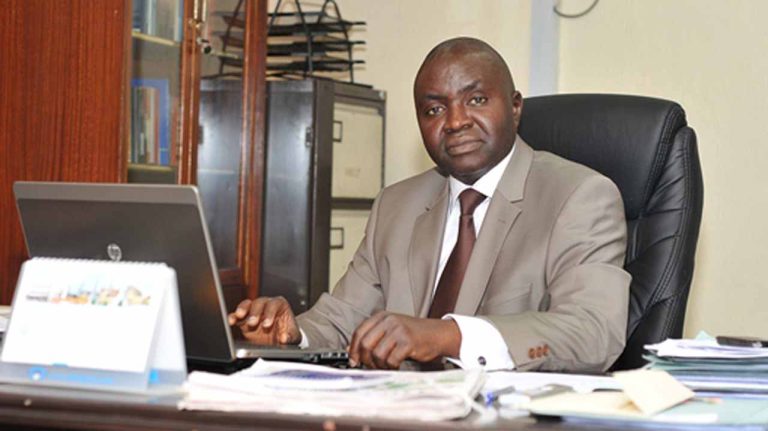
For instance, as of February 2026, according to the Equalisation Fund Chief Executive Officer Guyo Boru, the kitty had Sh62.77 billion arrears.
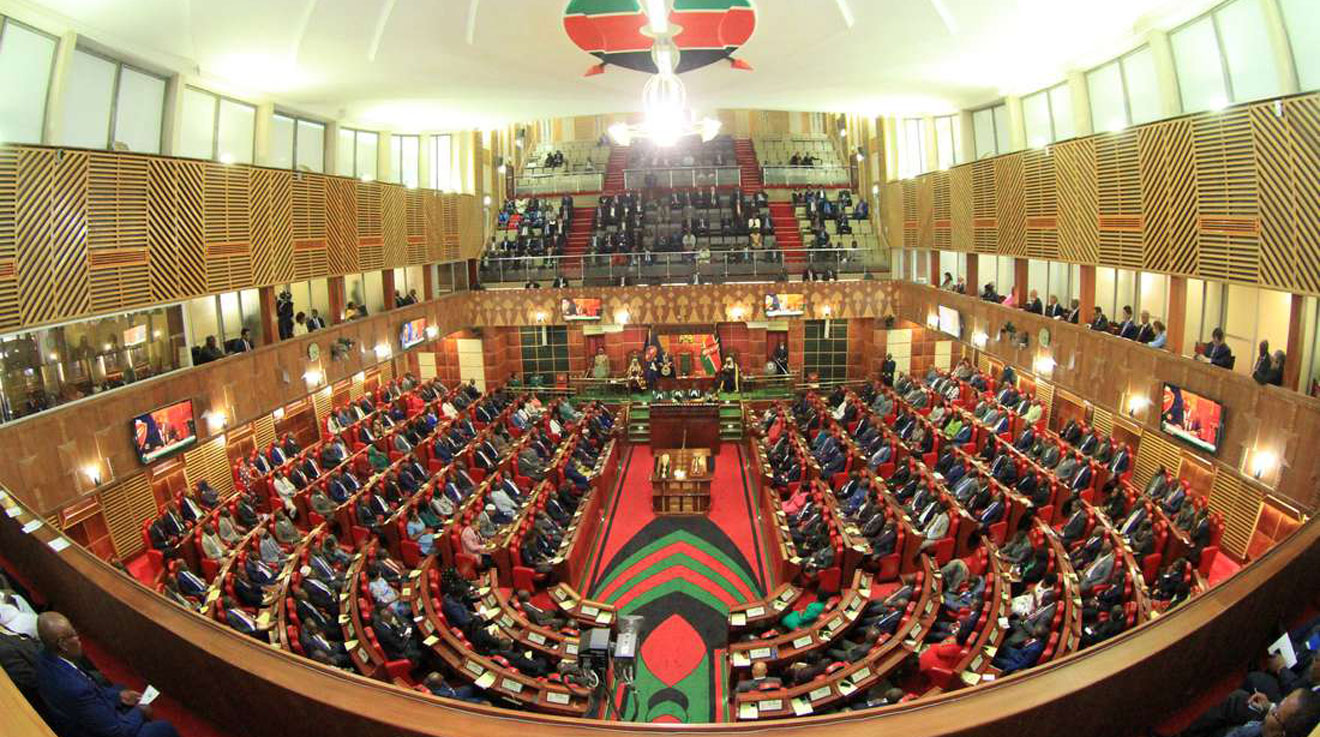
On February 5, MPs threatened to push for the disbandment of the Equalization Fund, citing stalled projects and limited impact in historically marginalized regions despite years of substantial budget allocations and repeated assurances of development.
During a meeting with the Fund’s Chief Executive Officer Guyo Boru, the National Assembly Committee on Cohesion and Equal Opportunities said the agency has failed to deliver tangible results, leaving marginalised communities without critical services.
The MPs expressed frustration over what they described as the Fund’s limited achievements despite the allocation of significant public funds.
“The Equalization Fund has fallen short of expectations from communities that had on its inception seen it as a vehicle for equitable development. The Fund has no impact on marginalized communities who were looking upon it to ensure that they enjoy the national cake,” Committee Chairperson Adan Yusuf Haji (Mandera West) stated.
The committee will now prepare a special report with strong recommendations on the Equalization Fund’s future.
Mr Haji expressed concern that despite receiving substantial public funding, the fund had not initiated transformative projects capable of bridging development gaps in targeted regions.
The committee’s vice chairperson, Duncan Mathenge (Nyeri Town MP) criticised the Fund managers for leaving several projects incomplete, terming it a waste of public resources.
“The majority of the projects in Narok County for example have stalled after consuming public funds. It beats logic that MPs are excluded from identifying and approving projects within their constituencies implemented by allocations to the Fund” Mr Mathenge said.
Narok North MP Agnes Pareyio noted that communities in her region had placed high hopes in the Fund but had yet to see tangible results.
“The Equalization Fund only exists on paper. As a leader from a marginalized community, we have not seen real projects by the Fund that ensure our people access basic services,” she said.
Mr Boru told the committee that lack of funds, due to delayed disbursements from the National Treasury,had hindered the achievement of their goal of providing services to marginalised communities.
“Since inception to February this year, arrears amounting to Sh 62.77billion are owed to the Fund. We are yet to receive the money as required by the law,” explained Mr Boru.
Members of Parliament and other stakeholders have in the past raised concerns that there is little to show, 15 years since the kitty was created.
On September 5, 2025, lawmakers demanded for an audit of the Fund as they questioned its effectiveness.
Eldas MP Adan Keynan, while leading the onslaught during a budget and Appropriations Committee sitting in Mombasa at the time, dismissed the Equalization Fund, as a political tool with little to no impact.
“The Equalization Fund has failed to guarantee equality in regional development. Instead it has been turned to a political tool which the national government uses to reward political loyalty or punish dissent. Despite the existence of the Fund, many Northern Kenya counties such as Wajir, Mandera and Garissa,still face acute shortages of basic services like water and healthcare,” said Keynan.
The latest report by the Controller of Budget released in January 2026,has further sounded an alarm over the Sh 10 Billion Equalization Fund gap that could stall development in marginalised regions.
The Controller of Budget (COB), in the report released on January 13, raised serious concerns over an estimated Sh 10 billion shortfall in the Equalisation Fund, warning that delays in disbursement and funding gaps threaten the delivery of critical services in historically marginalized counties.
According to the COB report, at least 10 counties are worst affected by the funding gap, which has slowed the implementation of projects aimed at narrowing development disparities in regions that constitutionally qualify for support under the Fund’s framework.
According to COB review, while various marginalised counties were supposed to have received substantial funding allocations, only Sh15.9 billion had been paid into the Fund by mid-2025, leaving a Sh46.9 billion arrears on projects allocation.
The auditor-general report for the year ending June 2025, also shows that only about Sh13.4 billion of an expected entitlement of nearly Sh60 billion had been transferred to the Fund, a situation that has left many counties struggling to implement approved projects such as boreholes, health clinics and rural feeder roads.
The auditor-general also revealed that some of the beneficiaries with a combined allocation of Sh1.3billion including Bomet, Bungoma, Kericho, Kirui, Lamu and Narok had failed to submit project proposals for financing, compounding the release of funds and implementation of projects in the devolved units.
County officials in affected regions have said the funding gaps have forced them to postpone or cancel priority development plans.
Originally intended to assist Kenya’s 14 most marginalised counties, including Turkana, Mandera, Marsabit, Samburu, West Pokot, Wajir, Narok, Garissa, Kilifi, Kwale, Lamu, Taita Taveta, Tana River and Isiolo, the list was expanded under new policy frameworks to include 34 counties with marginalised sub-locations across the country.
Critics in the Senate and the National Assembly have argued this broad expansion risks diluting resources and undermining the original constitutional intent of targeting the most disadvantaged, while proponents say a wider set of regions face significant service gaps that merit support.
Major beneficiaries under the contested framework in the 2025/2026 financial year were Turkana (approximately Sh1.86 billion), West Pokot (about Sh1.66 billion), Wajir (Sh1.18 billion), Mandera (Sh1.22 billion), Narok (Sh1.25 billion) and Samburu (Sh1.05 billion), among others that were earmarked for smaller allocations to support water, health and road projects.
In some cases, pending Equalization Fund transfers have left communities without potable water, reliable health facilities or accessible rural roads months after project approval.
The issue has also sparked discussions about whether current eligibility criteria and administrative arrangements adequately reflect the needs of marginalized areas.
Earlier policies identified a limited number of counties as beneficiaries, but later reviews expanded the list of marginalized areas using more precise deprivation metrics to ensure that funding reaches smaller communities within counties.
Civil society groups and county leaders have called for better accountability and transparency in the administration of the Fund as well as timely disbursement of funds by the Treasury.
“If the fund is used properly, without corruption, its impact will be felt. The fund should not be disbanded after its expiry in 2030.MPs should strengthen it and ensure proper oversight of the funds released for projects in marginalised counties as well as timely disbursements,” said People’s Power Watch Group Chief Executive Officer Jesse Karanja.
Dr David Ngugi, a governance expert said, “The intention of the Equalisation Fund was good but delayed disbursements have crippled the kitty. The national governments should speed up releases, ensure that appropriate allocations are honoured within the financial year and ensure the monies are properly utilised”.
“Continued shortfalls risk entrenching inequalities and undermining confidence in devolution, a cornerstone of Kenya’s governance system. The Equalization Fund was designed to uplift some of Kenya’s poorest regions, “added Dr Ngugi.
About the Author