A decade ago, Uganda’s nightlife revolved around beer and straight spirits.
Cocktails were often an afterthought, reserved for a niche clientele. Today, that has changed. From upscale lounges to weddings, birthday parties and baby showers, cocktails have become a staple of the social experience.
This shift is largely driven by accessibility. But as cocktail culture grows, so does a deeper conversation about craft, identity and understanding.
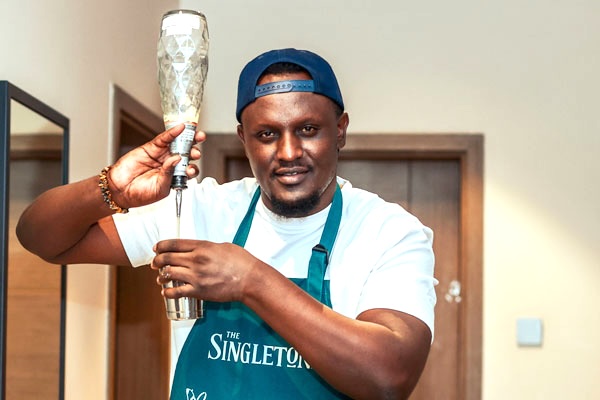
Ivan Kanyesigye, a mixologist who has spent over a decade refining his skill, says a mixologist, is not merely someone who mixes drinks, but one who understands them, how they are made, how they should be served, and how they can be transformed.
Beyond that, they act as guides, helping consumers navigate menus that can often feel foreign. Kanyesigye notes that while cocktails are rising in popularity, the craft is often undervalued.
Clients, he says, are quick to invest in décor and entertainment for events, but hesitate when it comes to drinks, sometimes opting for cheaper ingredients that compromise the experience.
“It’s your day, you get to do it once; why compromise on quality?” he asks.
Even so, demand continues to grow. In fact, cocktails are now among the first items to run out at events.
“People think their guests will drink beer,” he says. “But once they taste cocktails, they want more of that.”
Cocktails, by design, are visual, customisable and interactive. For Paulyne Akanjuna, a bartender at Bushpig in Kololo, her move behind the counter was driven by curiosity and ambition.
“I wanted something greater, something more captivating,” she says.
Molly Ayat’s journey was more intentional, built on persistence and quiet learning.
“People think we are drunk because we work in a bar,” she says.
“Yet some bartenders don’t even drink.”
Jane Apio, now a trainer, broke barriers when she won the Diageo Master Bartender competition, becoming the first woman to claim the title. She recalls how perceptions often shape interactions at the bar.
“I told a client once that I was the bartender and he asked me to call the real bartender,” she says, highlighting the biases female bartenders still face.
Despite these challenges, they continue to shape the culture, bringing precision, personality and storytelling into every drink they serve. Apio’s own journey reflects the curiosity that often drives cocktail culture.
She says she first fell in love with cocktails because of the shape of a margarita glass, drawn to how it looked long before she fully understood the craft.
For Kanyesigye, his journey into bartending was unexpected; arriving in Kampala with no prior experience in alcohol, he learned on the job, building his knowledge from scratch. Today, he trains others, insisting that understanding drinks comes before mixing them.
“I’m not there to make you drunk,” he says. “I’m there to ensure that you have a good time.”
“Cocktails are sweet and easy sipping but at their base, they still have alcohol, so responsible drinking is a must,” Apio agrees.
At curated dining events, cocktails are carefully structured to elevate flavour and mood. The growing appeal of cocktails, industry players say, is also tied to how they are opening up whisky to new audiences. As more consumers seek experience over routine drinking, brands are leaning into versatility and accessibility.
atiluknathan@gmail.com