The South African Reserve Bank (Sarb) decided this week to leave the repo rate unchanged. For economists, it is mostly an academic discussion, but for the country’s cash-strapped consumers, it was bad news greeted with dismay.
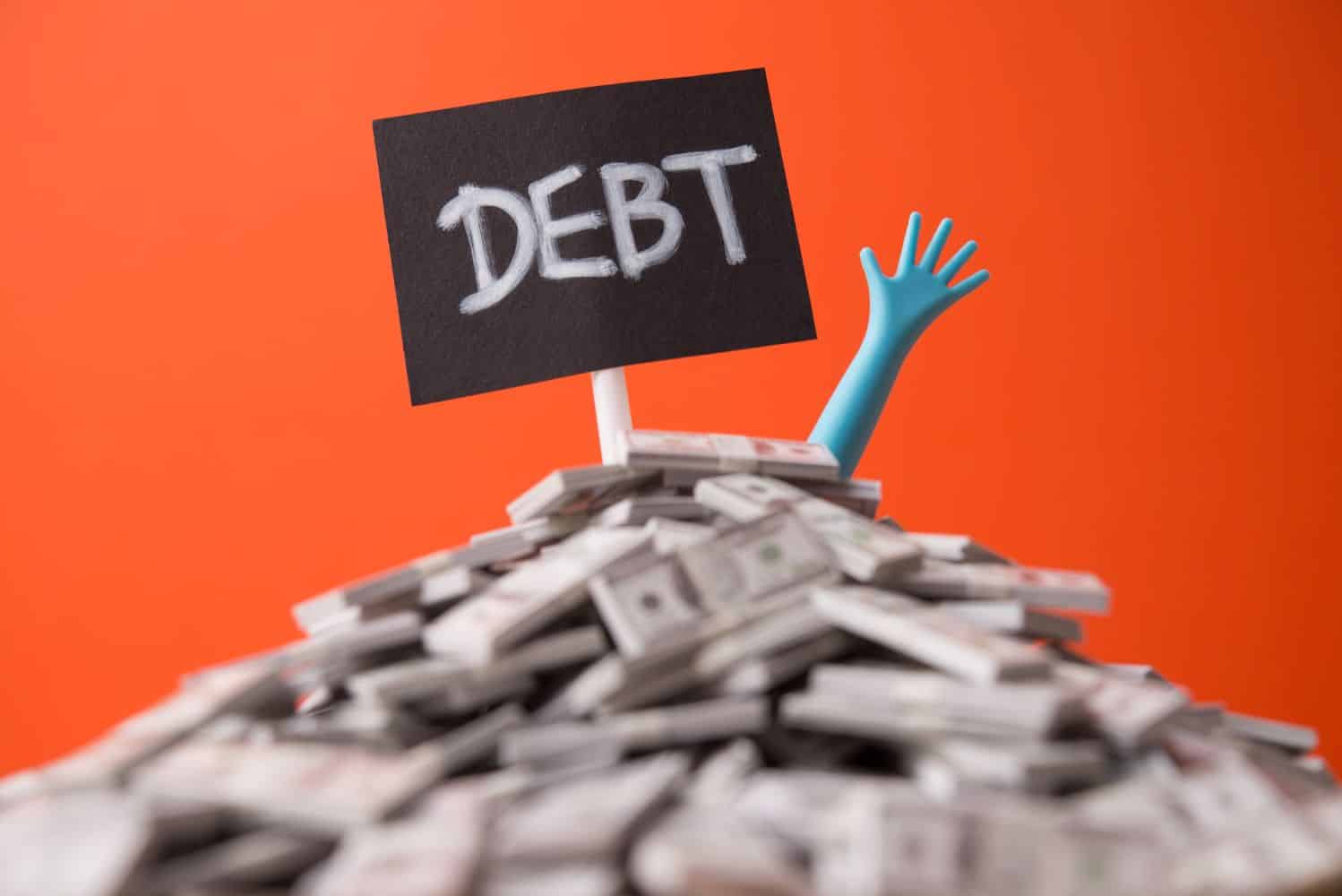
The human cost behind South Africa’s consumer credit crunch is huge. South Africans are heading deeper into 2026 carrying a heavy debt load, due to a deadly combination of ever-escalating living costs, stagnant wages and high interest rates that forced millions of households to rely on credit, including expensive, short-term loans, to cover essential expenses like food, fuel and electricity.
Neil Roets, CEO of Debt Rescue, says households entered the year already weighed down by accumulated debt, back-to-school costs and essential living expenses that continue to increase faster than their incomes can stretch.
ALSO READ: Cautious Reserve Bank opts not to cut repo rate in close call
Consumers were hoping for a repo rate cut
Against this backdrop, he points out that the announcement by the Sarb Monetary Policy Committee (MPC) that there will be a pause in the cutting cycle of the repo rate elicited dismay from embattled consumers across the country, despite experts predicting the likelihood of this move.
“The Sarb maintained its cautious approach amid fluctuating inflation rates and economic uncertainty. This means the repo rate will remain at 6.75%, with the prime lending rate in turn also staying the same at 10.50%, with possible rate cuts coming later in the year.”
Roets says the only light at the end of this dark tunnel is the prediction by experts like Investec chief economist Annabel Bishop that the high interest rate, currently at 6.75%, which is 325 basis points above the inflation rate, supports interest rate cuts in the months to come.
Bishop says that with CPI inflation expected to fall below 3.0% year on year, she expects interest rate cuts in the second quarter of the year. However, she cautions that, without an additional 50 basis points cut this year (which is expected to be spread over two meetings), the real interest rate will increase further, nearing 4.00% mid-year.
ALSO READ: Reserve Bank keeps repo rate unchanged, warns of geopolitical risk
What does this mean for the consumer?
Roets says while it is understandable that the Sarb would ultimately weigh domestic inflation conditions as well as global risks before taking the next step in the rate-cutting cycle, the state of the consumer should be the utmost priority for government right now.
“There is no doubt that credit active citizens are in deep trouble. The facts speak for themselves.”
According to Eighty20’s latest credit report, South African’s total loan balance increased by 0.8% quarter-on-quarter, reaching R2.6 trillion in the third quarter of 2025. The credit active population continued to grow during the third quarter of 2025, increasing by 3.94% year-on-year. Total overdue balances also increased, up 9% year-on-year to R212 billion.
The debt load of R2.6 trillion works out to roughly R43 000 for every man, woman and child in the country. The 4.1 million middle-income earners with families, mortgages and frequent shopping routines held 12.9 million loans in the third quarter, while the employed lower-middle-income group – mostly women with store accounts and sometimes credit cards – now number 8.6 million people.
This group took out more than 2.1 million new loans in the quarter, most of them retail and personal loans.
“This tells a story of a nation in deep financial waters and relying on credit to keep going. More concerning is that this red flag does not seem to be registering among the authorities who make the decisions that affect the welfare of ordinary citizens.”
ALSO READ: Repo rate: will the Reserve Bank cut? Or not?
Everything is getting more expensive
Meanwhile, Roets says, food and utility costs continue to climb, outpacing wage growth and rendering everyday necessities increasingly unaffordable, especially for low-income households who are battling to afford to buy enough food each month, according to the latest Household Affordability Index, conducted by the Pietermaritzburg Economic Justice and Dignity Group.
“South Africa’s consumer credit crisis is not simply a matter of balance sheets and interest rates but a story of households pushed to the brink, of parents borrowing to feed their children and of ordinary citizens trapped in a cycle of debt just to survive through each month.
“The country’s economic stress factors – from high borrowing costs to rising prices for essential goods and services like food, fuel, electricity and water – are forcing millions of consumers to lean heavily on credit and personal loans to make it through the month.”
On the other side of the fence are millions of vulnerable households who cannot access credit and are forced to make impossible choices to survive, like weighing up whether to buy electricity or food.
About the Author