
African American Man in Orange Beanie Savoring the First Bite of a Juicy Burger. A contented man takes a big bite of a burger, enjoying the meal amidst the cozy ambiance of a city eatery
Pizza, cheeseburgers, mac and cheese. Cake baked by the love of your life. Comfort food is the yum that makes us feel good — but it’s not ‘just because’. Like ice cream in sitcoms, different foods mean different things to different people.
There is a huge relationship between food and feeling. Comfort food is not really about being hungry, it’s about memory, mood and go-to moments. It’s about meals prepared by caregivers, festive foods tied to celebrations, and dishes linked to cultural traditions that create memories we carry into adulthood.
A review published by researchers at Humanitas University found that these emotional connections are embedded in all of us and can be triggered long before food is actually eaten, sometimes just by smell or sight.
Psychologist and medical doctor Dr Jonathan Redelinghuys said the brain sits at the centre of this process. From a behavioural perspective, he said, comfort eating is not simply about fat or carbohydrates. Smell and taste are closely linked to the amygdala in the brain and limbic system, which governs emotion and memory.
“Foods associated with childhood, home or positive experiences can evoke the same feelings of safety and comfort years later. When people eat in pursuit of those feelings, the pathways between food and emotion become reinforced,” he said.
Relationship between emotion and food
The neurological explanation goes further. Scientific studies show that foods high in sugar, fat and salt activate the brain’s reward pathways by increasing dopamine, a neurotransmitter linked to pleasure and motivation.
Dopamine release produces an immediate sense of reward and strengthens the desire to repeat the behaviour. Carbohydrate-rich foods also influence serotonin, which affects mood, sleep and appetite, and can temporarily promote feelings of calm or well-being.
Research cited by the American Nutrition and Food Policy Institute showed that when sugar and fat are combined, the reward signal in the brain is even stronger, making certain comfort foods especially desirable.
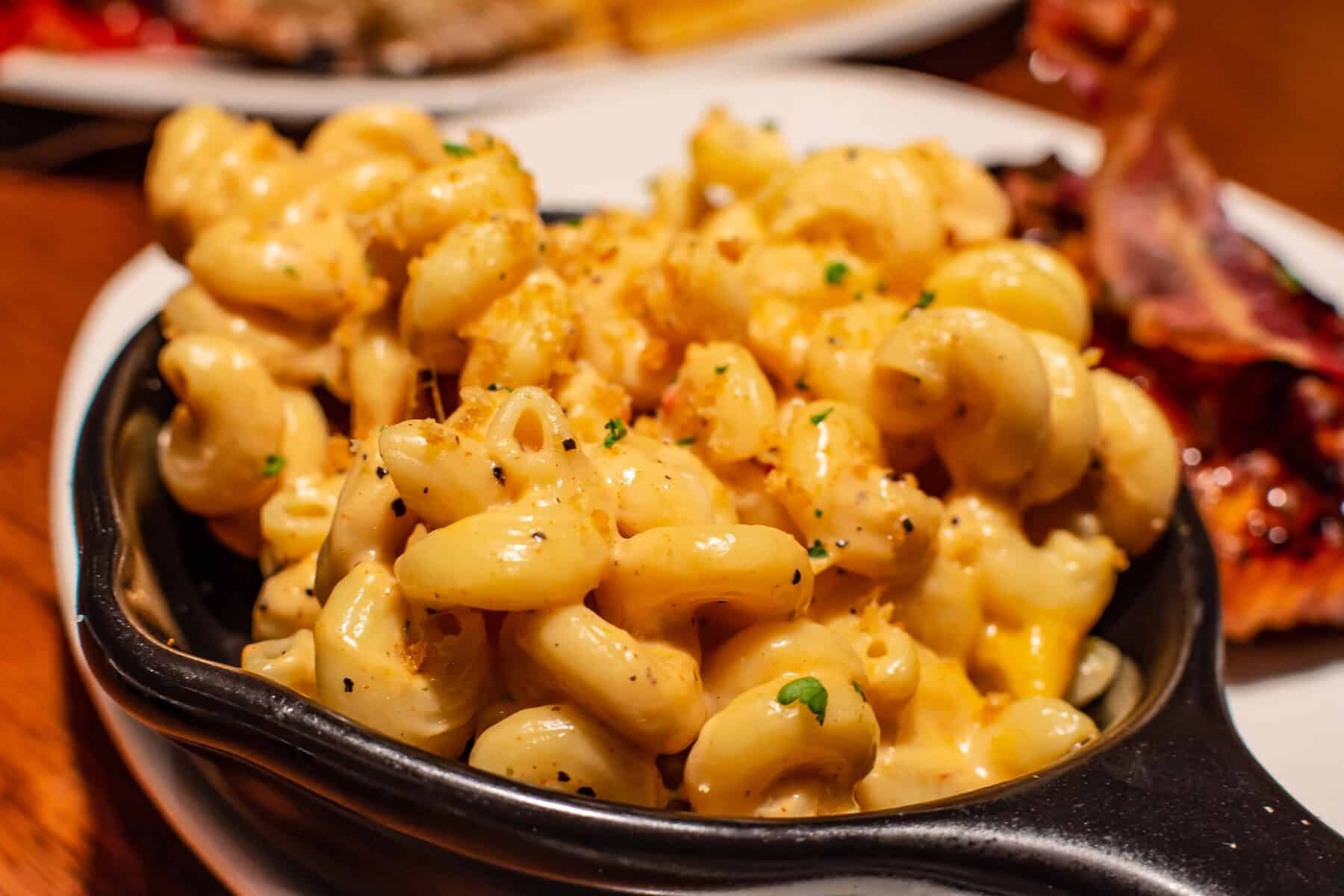
Stress also plays a significant role. When the body experiences stress, whether emotional or social, it releases cortisol. Cortisol increases appetite and shifts cravings toward energy-dense foods.
Studies published by experts at the Garvan Institute showed that chronic stress can alter brain reward circuits, encouraging emotional eating even in the absence of physical hunger.
Also Read: Don’t let FOFO ruin 2026: The fear you didn’t know you had
Not hungry, but eating with feeling
Dr Redelinghuys said people respond to stress differently. Some lose their appetite, while others turn to food.
“Eating may offer a sense of control when circumstances feel overwhelming or unpredictable,” he said. He also cautioned against narrowing the conversation to overeating alone. Conditions such as anorexia and orthorexia, he said, are often overlooked despite having high rates of morbidity and, in severe cases, mortality.
“Our relationship with food exists on a broad and complex spectrum,” Dr Redelinghuys said. Research published in the professional journal Psychology Today indicated that people are more likely to reach for comfort foods during periods of loneliness, sadness, or emotional fatigue.
While comfort food can offer short-term emotional relief, researchers suggest it does not always deliver lasting comfort.
Studies show that people often overestimate the emotional benefits food will provide, particularly under chronic stress. When used repeatedly as a coping strategy, comfort eating can become habitual without addressing the underlying emotional need.
Now Read: Kyalami’s Cat Café boost mental health
About the Author