Declining financial support for health systems worldwide is heightening vulnerabilities, the World Health Organization (WHO) said, stressing the urgent need to strengthen pandemic readiness amid rising disease and conflict.
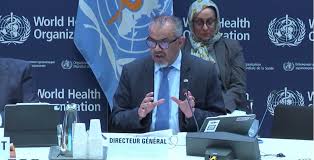
Opening the 158th session of the WHO Executive Board, Director-General, Tedros Adhanom Ghebreyesus described 2025 as a year of “stark contrasts,” with major organizational reforms alongside severe financial pressure. While countries adopted the landmark WHO Pandemic Agreement and updated International Health Regulations, the agency had to cut its workforce due to funding shortfalls.
“Significant cuts to our funding left us no choice but to reduce staff. Sudden reductions in bilateral aid have disrupted health systems and essential services in many countries”, Tedros said.
WHO data highlight the scale of the challenge: 4.6 billion people lack access to essential health services, 2.1 billion face financial hardship due to health costs, and the world faces a projected shortage of 11 million health workers by 2030.
Despite these pressures, Tedros said the pandemic accord marked a major step forward in global preparedness, strengthening surveillance, cooperation, and equitable access to vaccines and treatments. “The pandemic taught us that global threats demand a global response. Solidarity is the best immunity”, he said.
Over 110 countries have upgraded laboratories and epidemic intelligence systems, and WHO has secured access to hundreds of millions of influenza vaccine doses. Tedros stressed that preparedness cannot be sustained without reliable financing and reduced reliance on a small number of donors.
Conflict is also an escalating health threat, with WHO verifying 1,350 attacks on hospitals and health workers last year. Medical advances alone cannot offset fragile systems.
On a positive note, scientific progress continues: polio cases are at historic lows, neglected tropical diseases are being eliminated in more countries, and new vaccines and treatments are expanding. Tedros highlighted Lenacapavir, a breakthrough HIV prevention drug, as the closest alternative to an HIV vaccine.
Concluding his address, he urged sustained investment to match new global health agreements. “Countries now face a defining choice: ensure stronger rules are backed by stronger systems—or enter the next crisis exposed and underprepared”, he said.
About the Author