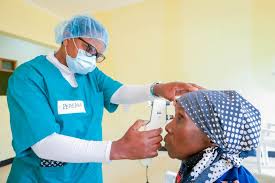
Africa faces the world’s largest gap in cataract treatment, with roughly 75% of people needing surgery still unable to access it, according to a new study published in The Lancet Global Health. The research, which analysed data from 68 countries between 2023 and 2024, highlights stark inequalities in cataract care. Women are disproportionately affected, often receiving treatment at lower rates than men.
The World Health Organization (WHO) says barriers such as a shortage of trained eye-care professionals, uneven access, high costs, long waiting times, and low awareness prevent people from receiving care. Other factors, including UV exposure, diabetes, smoking, and corticosteroid use, can accelerate cataract development.
WHO urged governments to step up efforts to make cataract surgery more widely available. Acting Director of the WHO’s Department of Noncommunicable Diseases and Mental Health, Dévora Kestel, described the procedure as “a simple, highly effective intervention that restores vision and transforms lives.” She noted that restoring sight gives people independence, dignity, and new opportunities.
The agency also called on countries to integrate eye care into primary health services, expand surgical facilities, and improve the distribution of eye-care workers, especially in rural and underserved areas. WHO also stressed that prioritising women and marginalized populations is essential to closing equity gaps.
“Cataract surgery can be made accessible to all if governments and partners address inequities and invest in infrastructure. With sustained commitment, avoidable blindness can be eliminated, giving millions the chance to regain sight and improve their quality of life”, WHO said.
Cataracts, which cloud the eye’s lens and can cause blindness, affect over 94 million people worldwide. Despite global improvements in surgical coverage over the past two decades, rising demand due to ageing populations means millions remain untreated. Current projections indicate that global coverage will only increase by 8.4% this decade, far short of the 30% target set by the World Health Assembly for 2030.
About the Author