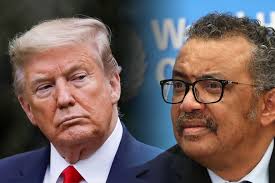
The Director-General of the World Health Organization (WHO), Tedros Ghebreyesus, expressed hope on Thursday that the United States might reconsider its planned withdrawal from the organisation, calling the move a setback for global health security.
Tedros’s remarks come amid ongoing international concern that the U.S. departure could disrupt WHO programs in areas ranging from polio eradication to combating antimicrobial resistance, as well as undermine coordination during health crises in low- and middle-income countries.
In one of his first acts as U.S. president, Donald Trump signed an order to pull the country out of WHO, citing what he described as the agency’s mismanagement of the COVID-19 pandemic and its close ties with China. The withdrawal is set to take effect on January 22, 2026. Trump also suggested that Washington, historically WHO’s largest donor, should reduce its financial contribution to prevent overdependence on a single donor.
Tedros acknowledged that, despite initial instructions from the Trump administration for U.S. health officials to refrain from engaging with WHO, American authorities had consistently requested and received information.
“We have given them any information they need because, at the end of the day, WHO’s existence is to make the American people safe and the rest of the world safe”, he said, underscoring the organisation’s role in coordinating international health responses.
The WHO chief stressed that the U.S. exit could have broad implications for global health initiatives, including disease surveillance, emergency response, vaccine distribution, and preparedness for future pandemics.
“The withdrawal of the U.S., the world’s largest contributor, is not just a loss of funds; it’s a loss of leadership, technical expertise, and coordination at a time when the world needs it most”, Tedros added.
He also noted the importance of multilateral collaboration in tackling emerging health threats, emphasizing that infectious diseases do not respect borders. “Global health security depends on collective action. Weakening WHO at this stage would leave millions of people vulnerable,” he said.
About the Author