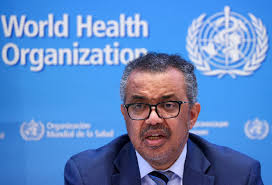
The World Health Organization (WHO) is moving to reform the global health system to improve coordination, prevent overlaps, and ensure faster delivery of vaccines and treatments. Director-General, Tedros Ghebreyesus said the Executive Board has directed discussions on governance reforms, with notifications of withdrawal from Argentina and the United States to be reviewed at the World Health Assembly in May.
Tedros highlighted cholera, noting that in 2025 over 600,000 cases and 7,600 deaths were reported across 33 countries. Vaccine shortages had previously forced preventive campaigns to pause, but global supply has now doubled, allowing these campaigns to resume and protect at-risk populations.
He also raised concerns about cataracts, the leading cause of blindness globally, affecting more than 94 million people. While some countries have made progress in access to surgery, globally half of those needing it still cannot receive it, with Africa and women disproportionately affected.
Cataract surgery is simple, cost-effective, and life-changing, yet coverage is projected to increase by only 8.4 percentage points by 2030, well below WHO targets.
Tedros urged governments, donors, and partners to invest in these cost-effective interventions, highlighting WHO’s research network of over 800 collaborating centers as a key tool for advancing global health and preventing avoidable diseases.
About the Author