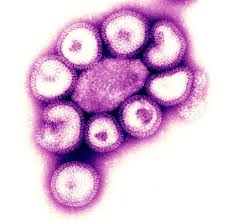
The World Health Organization says a newly emerging influenza variant is spreading rapidly across multiple regions, but stresses that vaccination continues to provide strong protection against severe illness.
Speaking in Geneva, the Unit Head for Global Respiratory Threats at WHO, Wenqing Zhang, said the year has seen the “rapid expansion of a new A(H3N2) virus subclade”.
She noted that influenza viruses constantly evolve, which is why vaccine compositions are regularly updated through WHO’s Global Influenza Surveillance and Response System.
“Current data do not indicate increased disease severity, although this genetic shift marks a notable evolution of the virus”, Zhang said.
The variant, known as J.2.4.1 or subclade K, was first identified in August in Australia and New Zealand and has since been detected in more than 30 countries.
Although not included in the latest Northern Hemisphere vaccines, early evidence suggests current seasonal shots still protect against severe disease and reduce hospitalisation.
WHO estimates seasonal influenza causes around one billion infections a year, including up to five million severe cases and as many as 650,000 deaths.
“Vaccination remains our most effective defence, particularly for high-risk groups”, Zhang said.
Zhang warned the holiday season could drive a further rise in respiratory infections and urged countries to boost vaccination, strengthen health-system readiness and maintain year-round surveillance through WHO’s global flu network.
She stressed that international cooperation remains vital, noting that early detection and rapid vaccine development can save lives.
About the Author