The answer to this question, on the surface of it, is the Chinese company growing rice in the wetland, in addition to the numerous companies illegally mining sand from the same area.
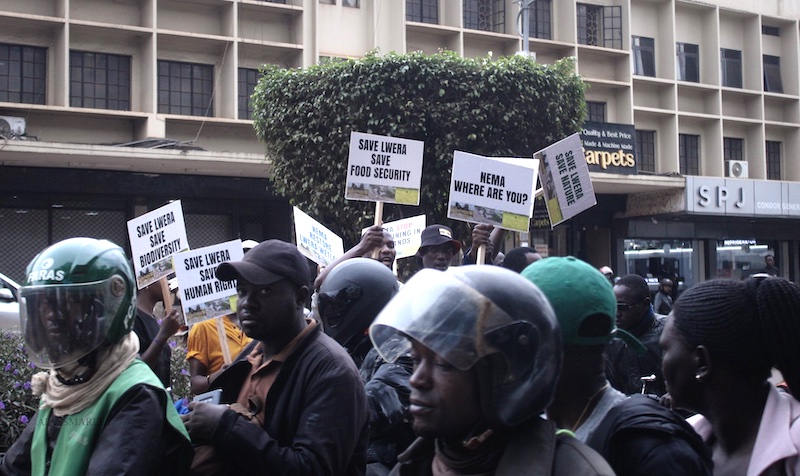
But going by the level of protection these players are receiving, and the way environmental activists against the degradation are treated, the question begs to be revisited. Last October, eight activists walked into NEMA’s headquarters, to petition the environment management authority over the continued degradation of the approximately 20km long Lwera wetland along the Kampala-Masaka highway.
What they were met with was arrest for causing a public nuisance, and spent a month in jail before securing bail. A major catchment area for Lake Victoria and River Katonga, Lwera wetland is what has, for centuries, offered neighbouring areas natural protection from nature’s wrath. Not anymore.
Since the encroachment and degradation started, they are reporting increased flooding and resultant destruction of their homes, businesses and gardens, as well as increased sickness due to flood water allegedly contaminated by pesticides from the rice fields.
The residents have reported wildlife deaths, especially of birds that drink from the contaminated water, and residents suffering from runny stomachs and God knows what else in the future.
However, all these complaints fall on deaf ears. Instead, they allege that their efforts to demand for wetland restoration have been met with assault and threats. Some have allegedly been fired from jobs, for daring to speak up.
So, who is really behind this important wetland’s degradation, and why is government dragging its feet about cracking the whip?
In 2019, President Yoweri Museveni during a tour of the Masaka sub region, ordered the cancellation of land titles issued to individuals in Lwera, arguing that wetlands are public land that cannot be parceled to individuals. Bafflingly, a few months later, NEMA granted a Chinese firm permission to grow rice in the wetland.
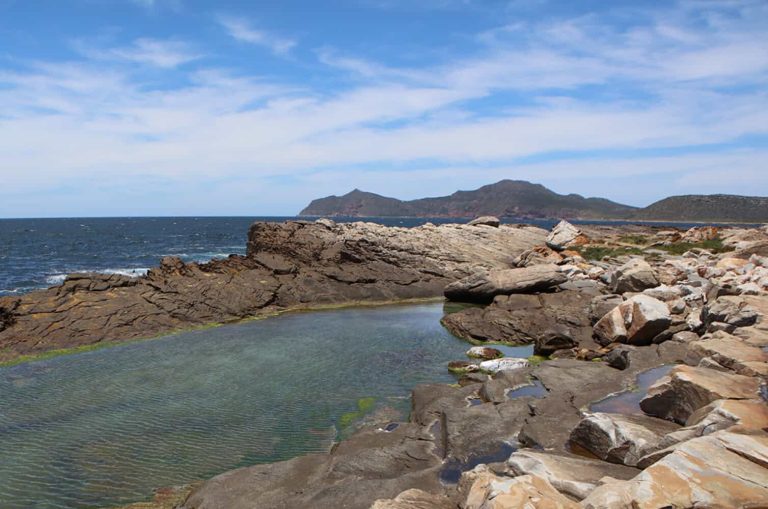
Lwera’s degradation is in plain sight for anyone travelling along the highway. Huge trucks and excavators moving sand. Hectares of rice fields. Is it coincidence that Ministry of Works and Transport – and UNRA before it – has thus far failed to find a lasting solution to the bumpy and shifty tarmac in the same sector of the road, for the last seven years?
The hours-long traffic jams every festive season gives travelers ample time to admire how the selfish comfort of a few individuals can disadvantage millions.
The destruction of the wetland’s natural water-holding capacity causes the highway to flood more often, weakening its foundation. But then again, what are a few million dollars spent every year to fix their mess!
About the Author