As over one billion people live outside their countries of origin, the World Health Organization (WHO) is urging governments to prioritise their health needs in national systems.
In a statement, the UN health agency noted a significant shift in how countries are responding, with new data showing that more than 60 countries, about two-thirds of those surveyed, now include refugees and migrants in their national health policies and laws.
The findings are contained in its latest global report tracking progress on migrant and refugee health, which establishes the first baseline for measuring how well countries are building inclusive health systems. The report indicates that even in politically sensitive environments, governments are increasingly relying on data, science and established global standards to guide decision-making.
Examples from different regions highlight practical progress, including expanded health insurance coverage for migrants in Thailand, the use of cross-cultural mediators in Belgium, and the involvement of migrant representatives in primary healthcare planning in Chile.
Despite these gains, the organisation says major gaps remain. Many refugees and migrants continue to face barriers to accessing healthcare, along with higher risks of infectious and chronic diseases, mental health challenges, and unsafe living or working conditions.
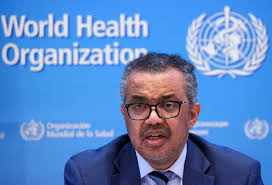
Commenting on the report, WHO Director-General, Tedros Ghebreyesus, said refugees and migrants are not only recipients of care but also play vital roles as health workers, caregivers and community leaders. He stressed that health systems can only be considered truly universal when they serve everyone.
The agency added that investing in migrant health strengthens health systems, improves social and economic integration, and enhances global health security, while also reducing long-term costs.
However, it warned that progress remains uneven. Only about 37 per cent of countries routinely collect and use migration-related health data, while just 42 per cent include migrants in emergency preparedness and response plans. Fewer than 40 per cent train health workers in culturally responsive care, and only 30 per cent run public campaigns to tackle misinformation and discrimination.
The WHO is now calling on governments, donors and partners to accelerate efforts to close these gaps and ensure that no population is left behind in access to healthcare.
About the Author