Valentine’s Day sells retail romance, but for many couples it is pulp fiction. We like to believe that love either lasts forever or ends with a hug, a handshake and a polite forever-friends mantra. Life though, is not a greeting card. When divorce goes bad, love rots.
The 1989 black comedy The War of the Roses saw a wealthy, successful couple tear each other apart, not because they were incapable of love, but because pride, property and power became more important than peace. It was exaggerated and almost frivolous, yet some real lives have come very close to that same precipice.
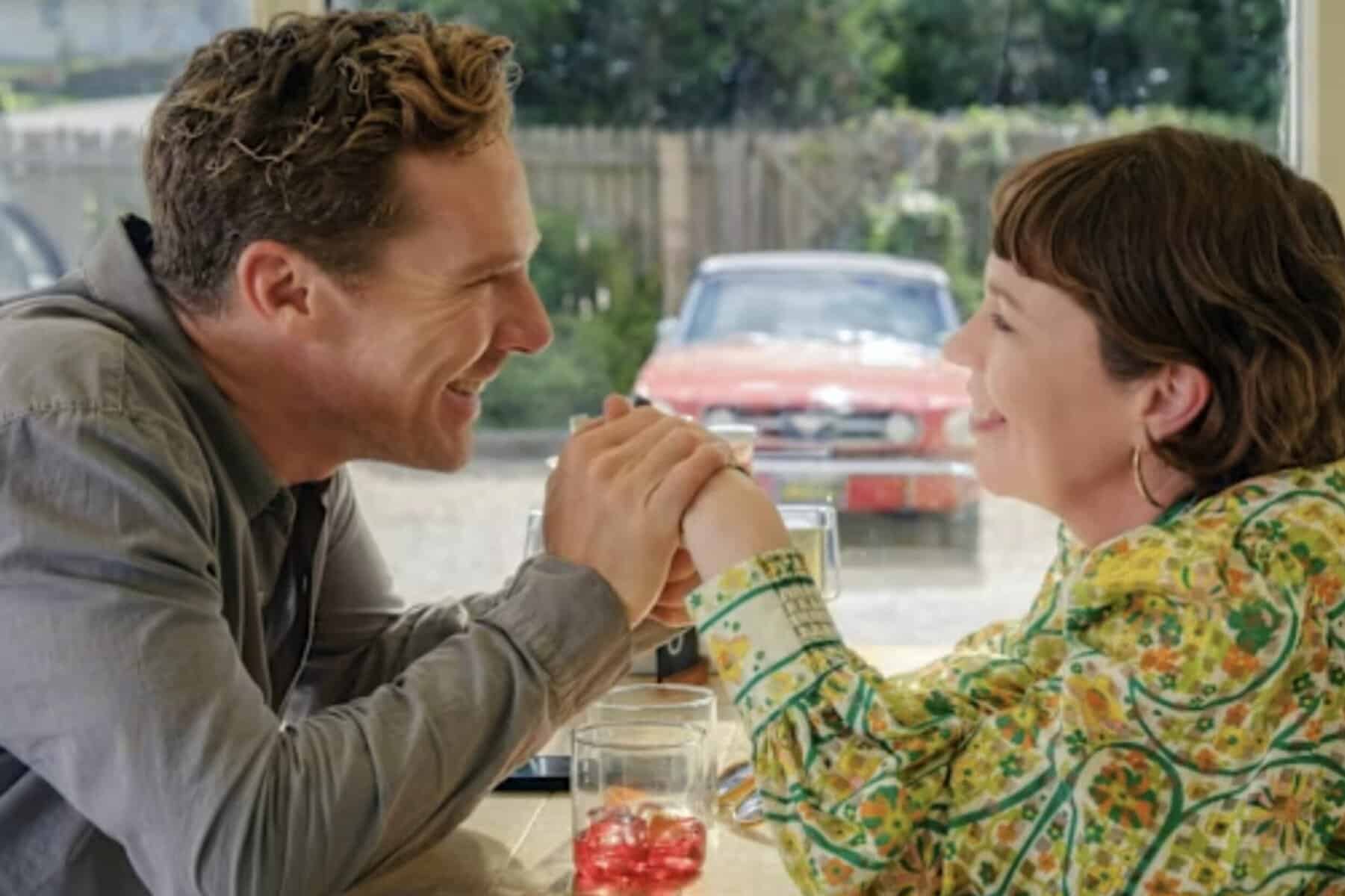
More than three decades later, Apple TV’s The Roses proves very little has changed in the bad and ugly of divorce. This time, husband Theo is an architect whose career collapses just as his wife Ivy’s small restaurant hits success. Their roles reverse. He raises the children and hoovers the lounge while Ivy sips champagne on private jets. Resentment follows, inevitably.
Life imitates cinema and vice versa
When the Roses decide to divorce, the fight is no longer about separating but about possessions, particularly the house that once symbolised everything they built together. What follows is black comedy laced with sabotage, cruelty and petty politics, ending with an ironic twist. It’s a fantastic film but also reality for many couples, said legal broker Shaun Muskat of Karen Shafer Attorneys.
Muskat said he has seen enough high-conflict divorces to recognise the precise moment when matters turn toxic. It is rarely about one argument too many or even infidelity. The real trigger is imbalance.
“Every divorce is unique,” Muskat said. “A divorce becomes destructive when one spouse has more money than the other. Both parties become vengeful.”
Behaviour can change quickly, he said.
“People who function perfectly well in boardrooms and offices begin acting in ways that would be unrecognisable to colleagues and friends,” he shared. “Not because they lose reason, but because divorce becomes about money and control. It is always about money and having control.”
Weaponising the law
Once that mindset takes hold, people will do whatever they can if they think it would strengthen their position, but these tactics almost always backfire. One of the most damaging, Muskat said, is the calculated use of the domestic violence courts.
“Using the domestic violence court to gain an advantage ultimately has a negative result, as genuine cases are delayed or not heard.”
Children, he added, are also dragged into these fights instead of being protected from them. “Children are used as a pawn in a divorce and it creates long-term family challenges,” Muskat said. “It destabilises their mental wellbeing. It becomes a murky mess of betrayal and emotional retaliation, leaving children to manage adult chaos.”
Watch the original War of the Roses trailer
Documented case histories echo these warnings. In one instance, a marriage was ended publicly when divorce papers were slid across a restaurant table during what was meant to be a date night.
Some cases go further. Allegations are introduced that threaten reputations and livelihoods despite no evidence ever existing. Assets are bled dry through endless delays until the weaker party simply cannot afford to continue. Pets, furniture and heirlooms become battlegrounds, not because of value, but because conceding feels like losing.
“It becomes a matter of principle for some,” Muskat said. “It’s a war of attrition.”
Revenge also rears its claws when one party can bankroll the fight. “The person with the most money uses the law to their advantage,” Muskat said. At that point, the legal system stops offering protection and starts functioning as a weapon.
First month after separation is critical
Early decisions often push couples into this trajectory. The first month after separation is especially dangerous, and technology is usually the match.
“The use of WhatsApp and sending messages you cannot erase remains one of the quickest ways to damage a case,” Muskat said.
Social media and informal legal advice make matters worse. Friends, Google searches and TikTok clips replace professional counsel.
“Extremely dangerous,” Muskat said. “Spouses think they are legal professionals and think AI will give the solution.”
ALSO READ: Don’t let FOFO ruin 2026: The fear you didn’t know you had
A competent attorney, he said, has a responsibility not only to act on instruction but to recognise when a matter is spinning out of control.
“A good attorney should focus on what is in the best interests of both parties and, more importantly, the minor child,” Muskat said.
That sometimes requires confronting a client rather than indulging them. “An attorney should be able to conduct a divorce ethically and discipline their client.”
Attorneys the biggest winners
Financial suffocation is another common tactic. Accounts are frozen, assets hidden and access to funds throttled. Some people also become addicted to the fight itself. Court appearances, tactical victories and the illusion of winning feed the compulsion.
“There are no winners in a divorce,” Muskat said. “The winners are the attorneys.”
Avoiding a full-scale War of the Roses requires restraint early on. Muskat’s said it sounds unromantic, particularly for Valentine’s month, but practical. He said couples should consider approaching one attorney jointly and be adult enough to settle amicably.
“Put the welfare of children and pets first. Agree on the division of assets and treat the process with respect,” he said.
NOW READ: Film extraordinary: Bono’s Stories of Surrender
About the Author